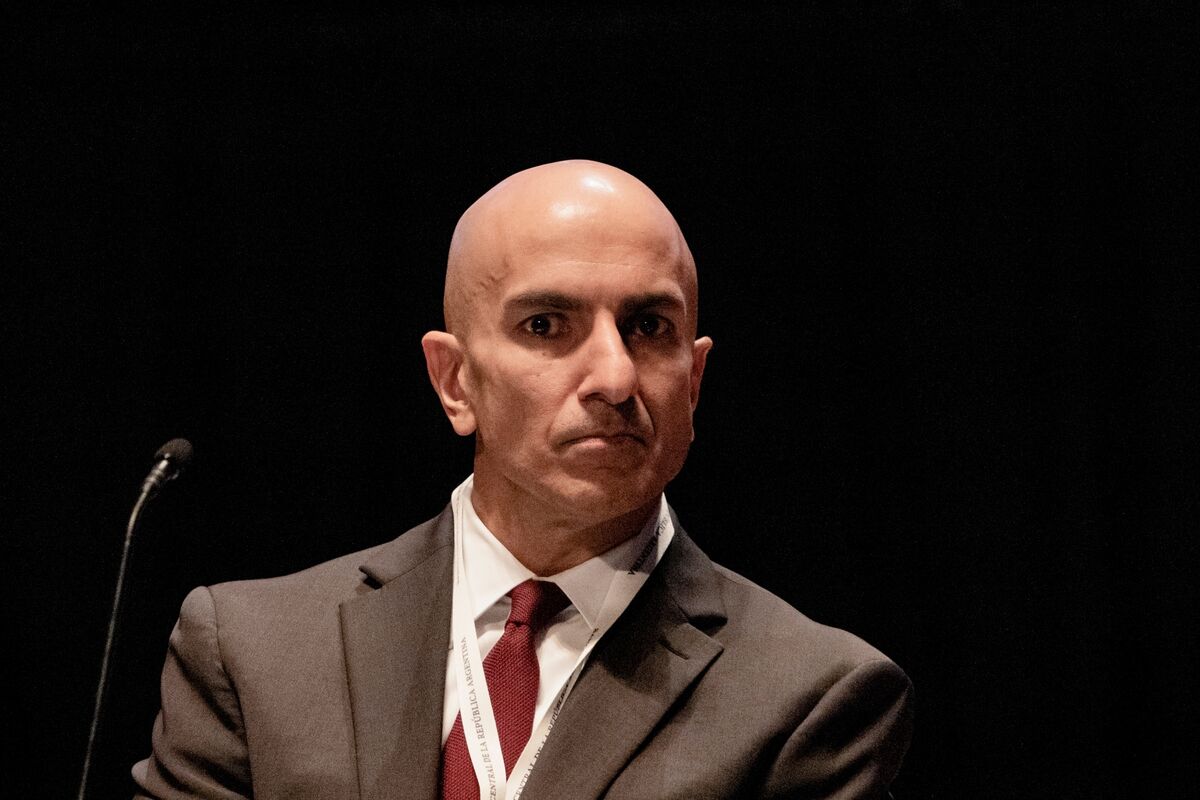
Minneapolis Fed President Neel Kashkari supported the recent quarter-point interest rate cut, the first since December, and indicated he expects two additional cuts this year. This dovish stance, driven by concerns over a 'fragile job market,' signals potential for further monetary easing and influences market expectations for future rate trajectory.
Minneapolis Federal Reserve President Neel Kashkari has publicly endorsed the central bank's recent quarter-percentage-point rate cut, the first such reduction since December, and has signaled a notably dovish forward path by penciling in two additional cuts for the current year. This explicit guidance is underpinned by a stated need to support a 'more fragile job market,' indicating that labor market metrics will be a critical determinant for future policy actions. Kashkari's commentary provides a clear window into the thinking of at least one voting member, reinforcing the market's expectation for a more accommodative monetary policy stance. His projection for a total of three cuts within the year sets a distinct benchmark against which incoming economic data, particularly employment figures, will be measured by market participants.
AI-powered research, real-time alerts, and portfolio analytics for institutional investors.
Request DemoOverall Sentiment
moderately positive
Sentiment Score
0.45
