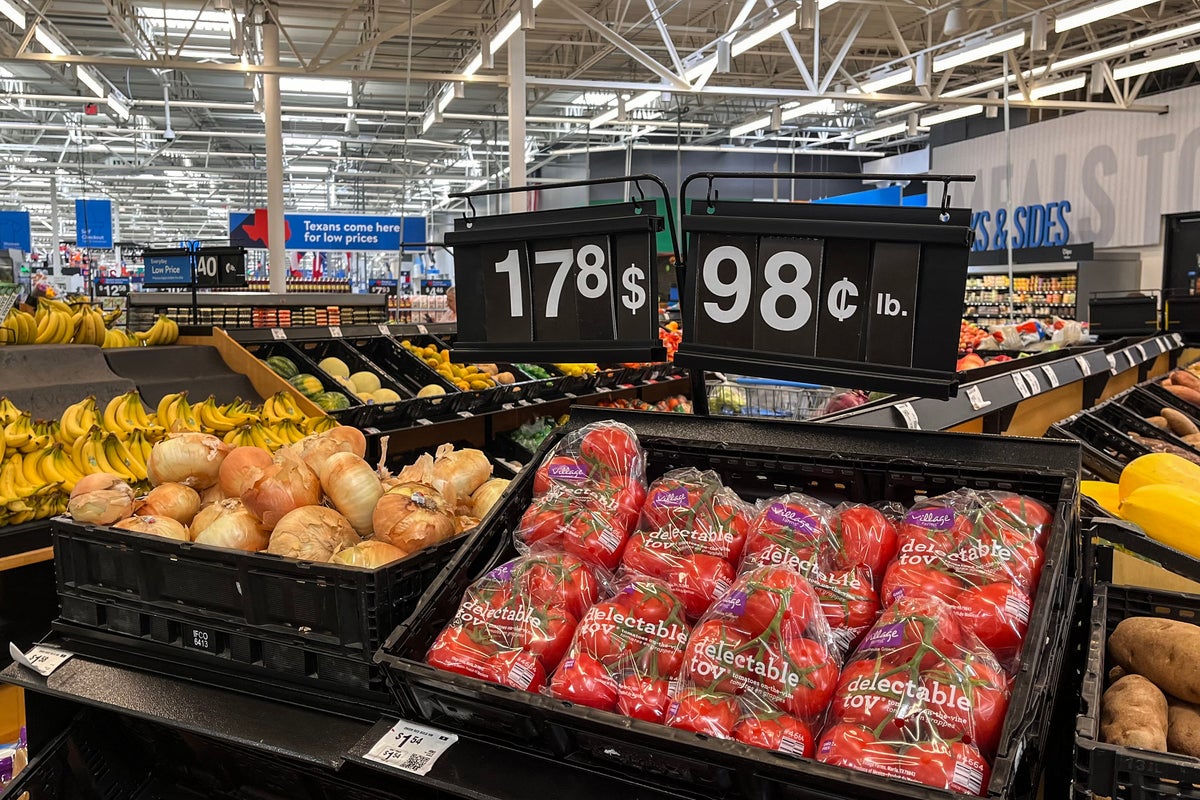
Key numbers: the Environmental Working Group's 2026 Shopper’s Guide found pesticides on 96% of samples from its Dirty Dozen list and PFAS (so-called forever chemicals) on 63% of those samples. Highest-contamination items include spinach and leafy greens (kale/collard/mustard), followed by strawberries, grapes, stone fruits, apples, berries, potatoes (ranked 11) and blueberries (12); the Clean Fifteen (lower residues) is led by pineapple, sweet corn and avocados. GAO notes near-universal PFAS exposure in the U.S. and the FDA will act only if PFAS levels indicate a health concern; expect modest shifts toward organic/low-residue produce and potential regulatory scrutiny, but limited near-term market impact.
This story is a demand-structure catalyst, not a one-off food scare: incremental consumer worry about persistent contaminants tends to reallocate spend toward categories that signal 'safe' (organic, certified PFAS-free, packaged-without-coated-inners). Retailers and brands that can credibly capture that trust (private-label organic, transparent supply chains, PFAS-free certifications) can win a persistent margin and basket-share uplift over 6–24 months as shoppers reweight staples. Expect an outsized effect in categories where repeat purchase frequency is high (produce, packaged salads, ready-to-eat fruit) because behavior change compounds revenue impact faster than in durables.
Regulation is the key second-order lever and is more likely to be state-driven then uniform federal action over the next 12–36 months, creating a patchwork of compliance costs and winners from scale. Small growers, exporters and packagers face the greatest cost shock — testing, remediation and reformulated pesticides raise unit costs and can compress margins or force consolidation. Conversely, firms selling testing, filtration, remediation and traceable supply-chain services can see multi-year revenue cascades as corporate procurement shifts toward certified suppliers.
The tactical window is near-term (3–12 months) for retail re-pricing and marketing plays and medium-term (12–36 months) for capex-driven remediation and water-treatment wins. Tail risks: a rapid federal standard that includes retrospective liability could trigger liability windows and force rapid re-pricing across chemical and packager cap tables. The consensus focus on consumer fear misses the durable procurement shift—once institutional buyers (QSRs, supermarkets, foodservice) change specs, adoption (and revenue) accelerates non-linearly.
AI-powered research, real-time alerts, and portfolio analytics for institutional investors.
Request DemoOverall Sentiment
neutral
Sentiment Score
0.00
