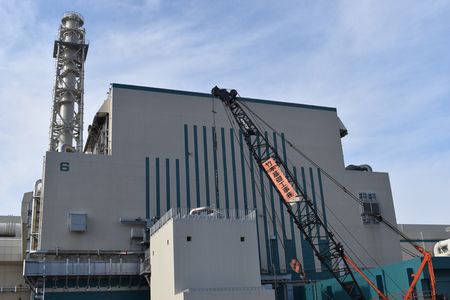
Tokyo Electric Power Company (TEPCO) postponed the scheduled restart of the No.6 reactor at the Kashiwazaki-Kariwa nuclear plant after a control-rod withdrawal test on Saturday revealed that an alarm intended to prevent unintended pullouts did not activate. An error in the pullout-prevention function settings was identified and corrected, with the issue resolved at 8:16 p.m. Sunday; TEPCO gave no firm new restart date but said remaining preparations would take one to two days. The operational delay is a near-term negative for TEPCO’s generation availability but appears limited in scope given the quick technical fix and no wider safety incident reported.
Market structure: The immediate operational impact is micro — a 1–2 day delay — but the signal is macro: control-system errors increase perceived regulatory and operational risk for Japanese nuclear restarts. Winners in the near term are thermal/LNG suppliers and grid peaking providers (spot power buyers may need +low-single-digit percentage incremental thermal generation on affected local grids if outages extend), while TEPCO (9501.T) and other nuclear-dependent utilities bear reputational and regulatory downside.
Risk assessment: Tail risks include regulatory moratoria or multi-reactor rollbacks if inspections find systemic control-setting issues (plausible within 30–90 days), which would materially raise Japan’s fuel imports and put upward pressure on Asian LNG by mid-quarters (risk: Asian spot up 5–15% if multiple reactors sit idle). Hidden dependencies: electricity-intensive exporters, JPY flows (weaker JPY if import bill rises), and government support measures could blunt market moves. Catalysts: government/NSC investigation outcomes (next 2–8 weeks), further incident reports, or coordinated restart approvals.
Trade implications: Tactical plays favor upstream LNG names and exporters and defensive hedges on Japanese utilities: establish 1–2% longs in INPEX (1605.T) or QLD/Australian LNG exporters for a 3-month horizon; use 1–2% portfolio put spreads on TEPCO (9501.T) expiring 1–2 months to hedge regulatory repricing. Pair trade: long 1605.T, short 9501.T on 3-month view if inspections escalate. Consider buying 1–3 month call spreads on Asian LNG spot/futures exposure if restart delays accumulate beyond 2 weeks.
Contrarian angles: The market may underprice cumulative inspection risk — one-off fixes can mask systemic configuration issues. If no further problems appear within 2–4 weeks, TEPCO and utilities may rebound sharply (20%+ intraday in volatile regimes), so avoid one-sided large shorts; conversely, repeated incidents would create a multi-quarter structural upside for LNG and renewables equipment suppliers (contra-position: rotate into renewables capex names on any 10% pullback).
AI-powered research, real-time alerts, and portfolio analytics for institutional investors.
Request DemoOverall Sentiment
mildly negative
Sentiment Score
-0.25
