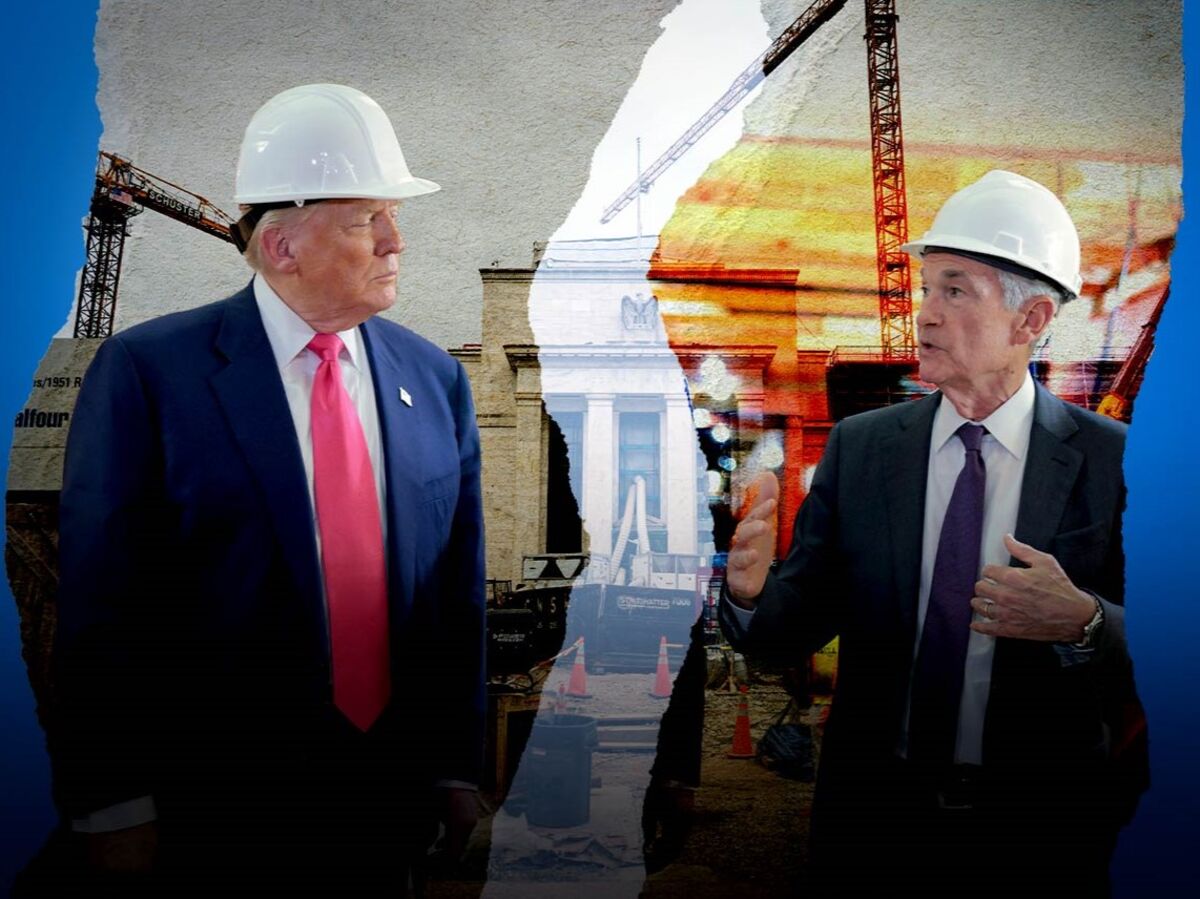
President Trump publicly confronted Federal Reserve Chair Jerome Powell during a tour of the Fed's renovation site, criticizing the project and pressing for lower interest rates. Despite the public exchange, Trump downplayed tensions, stating the renovation issue would not warrant Powell's dismissal. This interaction highlights ongoing political pressure on the central bank regarding monetary policy.
The public confrontation between President Trump and Federal Reserve Chair Jerome Powell over the central bank's renovation project and interest rate policy introduces a significant degree of political uncertainty into the monetary policy outlook. While the President downplayed the severity by stating the issues would not warrant Powell's dismissal, the direct and public pressure undermines the perceived independence of the Federal Reserve. This event, characterized by moderately negative sentiment, reinforces a narrative of political interference in central banking operations. For markets, the key takeaway is not the specifics of the renovation dispute, but the explicit linkage of presidential dissatisfaction with the Fed's policy stance, creating an unpredictable variable for future rate decisions and potentially impacting investor confidence in the institution's ability to adhere to its dual mandate without political influence.
AI-powered research, real-time alerts, and portfolio analytics for institutional investors.
Request DemoOverall Sentiment
moderately negative
Sentiment Score
-0.55
