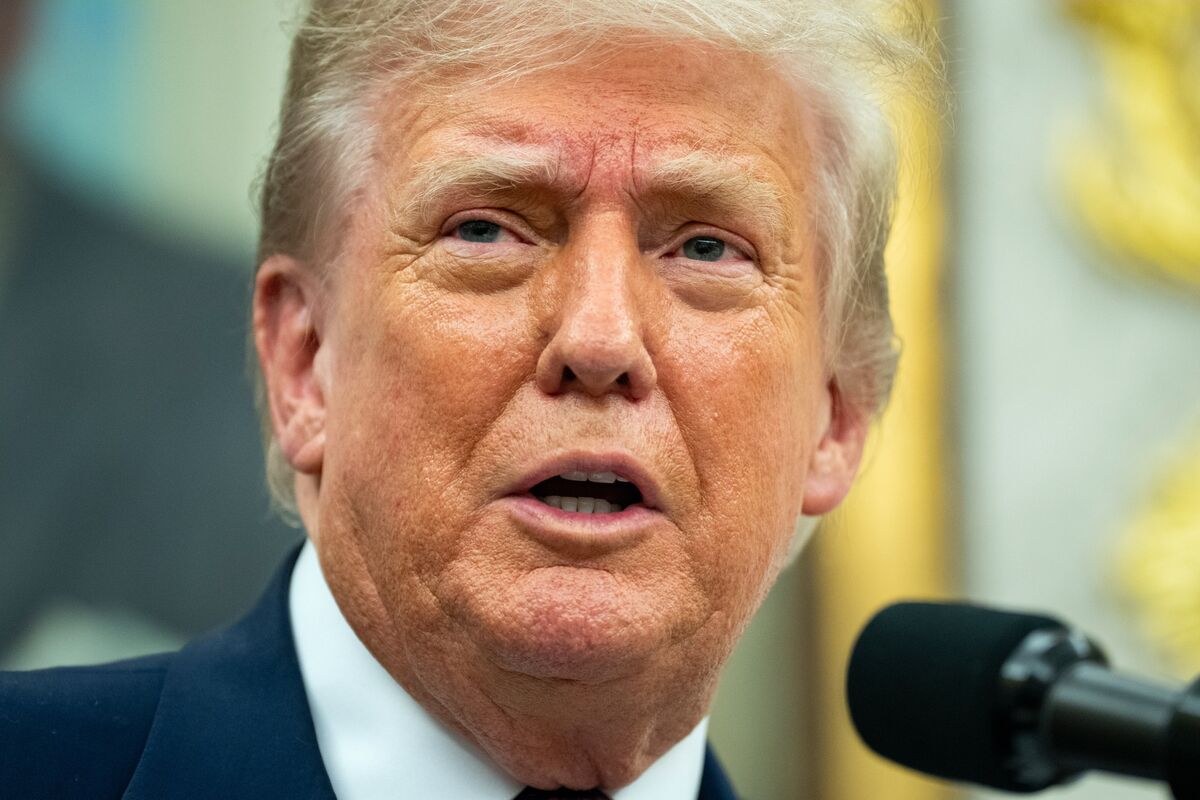
New US tariffs have officially taken effect, imposing higher rates on nearly all trading partners, notably impacting Switzerland, which is considering retaliatory action like canceling a significant fighter jet order. Additionally, President Trump announced plans for a 100% tariff on semiconductor imports, with an exemption for companies that relocate production to the US, signaling intensified trade protectionism and potential global supply chain realignments.
The official implementation of broad new US tariffs introduces significant uncertainty and risk into global trade dynamics, a development underscored by a strongly negative sentiment score (-0.7) and high market impact rating (0.7). The policy affects nearly all US trading partners, with specific mention of Switzerland facing high levies and contemplating retaliatory measures, such as canceling a major fighter jet order, which exemplifies the potential for escalating geopolitical and economic disputes. A particularly disruptive element is the planned 100% tariff on semiconductor imports. This move directly targets a critical global supply chain and is designed to incentivize reshoring, as indicated by the exemption for companies that move production into the US. The policy signals a significant escalation in trade protectionism, which is likely to force a realignment of manufacturing and sourcing strategies, especially within the technology sector, and may provoke further retaliatory actions from other nations.
AI-powered research, real-time alerts, and portfolio analytics for institutional investors.
Request DemoOverall Sentiment
strongly negative
Sentiment Score
-0.70
Ticker Sentiment
