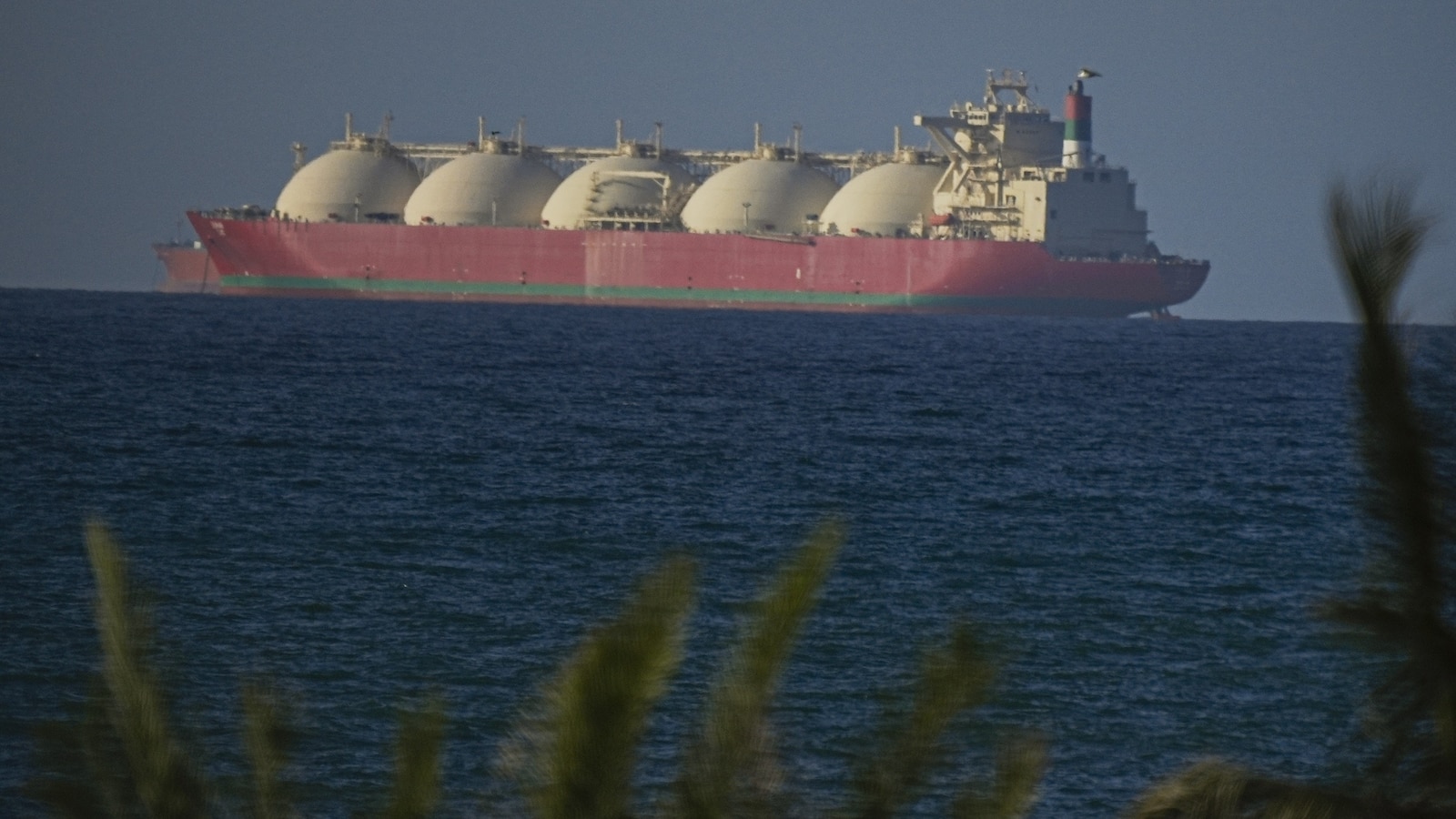
The Strait of Hormuz, a vital corridor for global trade and oil shipments, was reported reopened under a U.S.-Iran ceasefire and then closed again after Iran accused Israel of attacking Lebanon, putting transit and the fragile truce at risk. Shipping companies (e.g., Maersk) and market analysts signaled limited clarity and paused transits, implying upward pressure on energy risk premia and potential disruptions to freight flows and cargo scheduling. Expect short-term risk-off moves across oil and shipping markets and elevated volatility until diplomatic clarity and secure coordination for passage are restored.
The immediate market effect will be a two-speed shock: shipping and insurance economics reprice in days while real economy adjustments (rerouting, contract rebooking, SPR draws) play out over weeks. Rerouting around the Cape adds materially to voyage time and cost—realized incremental fuel and charter expenses for VLCCs/Suezmaxes are likely to lift freight revenues by tens of thousands USD/day on marginal voyages, supporting spot tanker equities and time-charter contracts even if oil price moves are muted.
Second-order winners include storage & prompt crude logistics nodes (those with spare floating storage and transshipment capacity) and short-duration charter players; losers are high-frequency importers of refined product into Europe/Asia and just-in-time supply chains (chemicals, LNG cargo scheduling) that have limited flexibility. Elevated insurance premia and “security surcharges” will compress downstream margins and reroute container flows to longer, less efficient corridors — expect container spot rates to remain volatile and inland intermodal congestion to increase in key hubs over 2–8 weeks.
Catalyst map: the main binary is diplomatic enforcement versus tit-for-tat escalation. A sustained interruption beyond ~2–4 weeks materially increases the probability of $5–$15/bbl upside shocks to Brent, while a credible, verifiable corridor with third-party escorts can normalize shipping spreads within 7–21 days. The contrarian angle is that market pricing currently treats closure as binary; partial, coordinated traffic corridors and insurance layer solutions have historically capped oil spikes and would flush short-term volatility—this favors tactical asymmetric option plays over full directional exposure on equities.
AI-powered research, real-time alerts, and portfolio analytics for institutional investors.
Request DemoOverall Sentiment
strongly negative
Sentiment Score
-0.60
