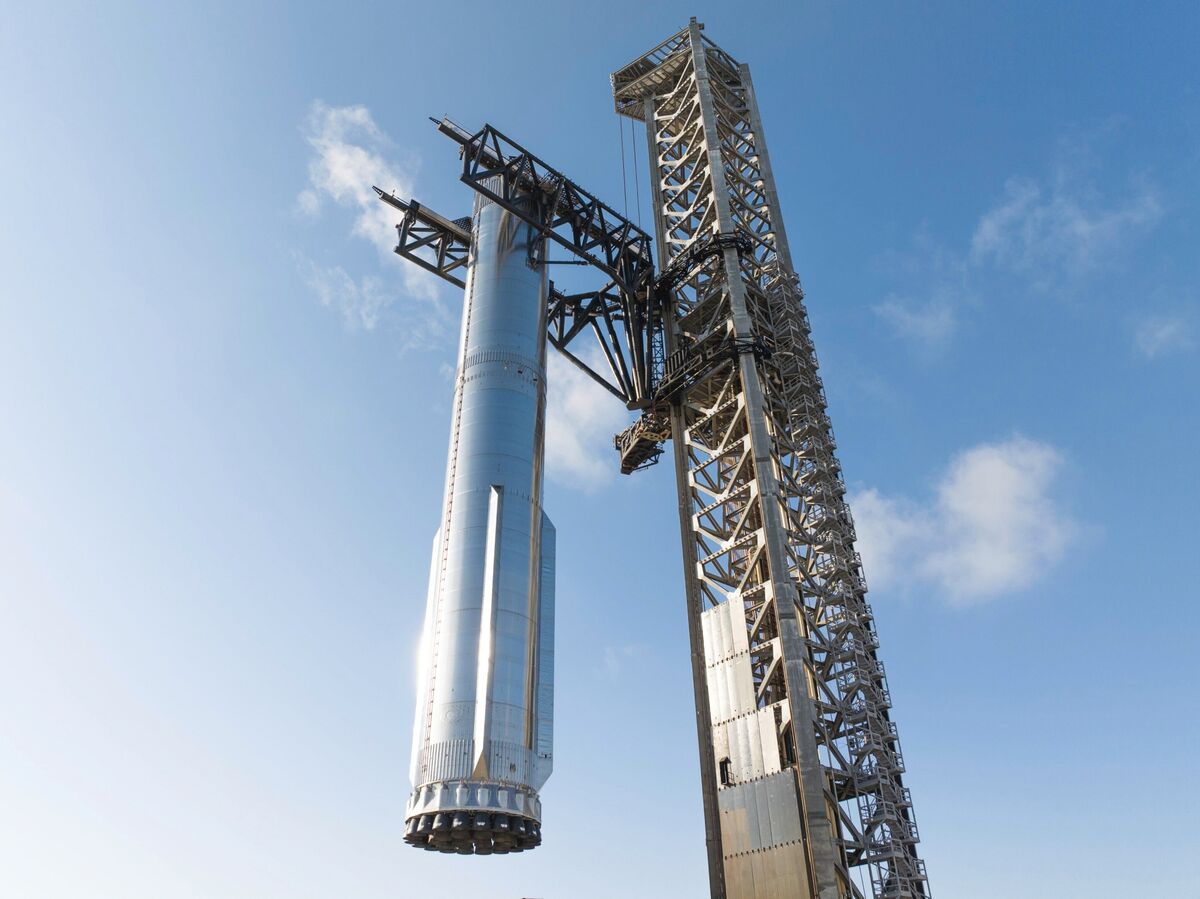
SpaceX successfully launched its massive Starship rocket on its 10th major test flight from South Texas, targeting a controlled splashdown in the Indian Ocean. This critical mission, following prior fiery setbacks, represents a significant advancement in the development of the world's most powerful rocket, potentially de-risking future commercial and governmental space operations and bolstering the private space industry's trajectory.
SpaceX's 10th major test flight of its Starship rocket represents a critical milestone, particularly following a series of prior explosive setbacks. The successful liftoff of the world's largest and most powerful rocket from its South Texas facility signals significant progress in its development program. While the mission is ongoing with the final objective being a controlled splashdown, the initial success carries a mildly positive sentiment and is a key de-risking event for the platform. As SpaceX is a private entity, the direct market impact is low; however, the event is a vital indicator for the broader space industry, potentially validating the feasibility of a new generation of heavy-lift launch vehicles that could dramatically alter the economics of space access for commercial and governmental operations. The speculative nature of this test flight underscores that while promising, the platform's reliability is not yet proven.
AI-powered research, real-time alerts, and portfolio analytics for institutional investors.
Request DemoOverall Sentiment
mildly positive
Sentiment Score
0.40
