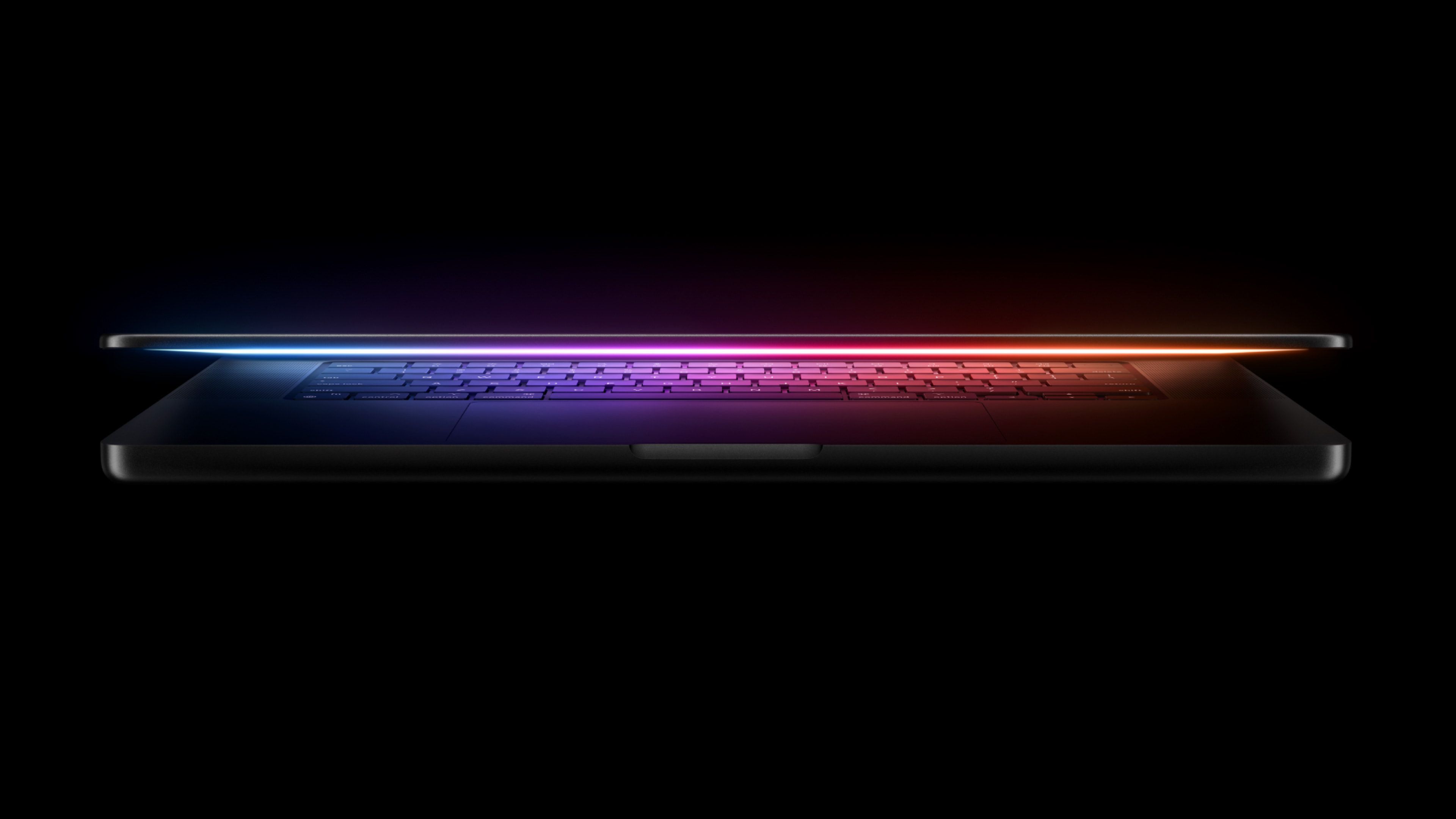
Apple is expected to announce new 14/16-inch MacBook Pro models powered by M5 Pro and M5 Max chips alongside the macOS 26.3 release candidate (public release anticipated in February), with no major design changes until a larger redesign targeted for late 2026/2027. Separately, Apple confirmed the acquisition of Israeli AI audio startup Q.ai for close to $2 billion—its second-largest deal after Beats—while also rolling out minor hardware/software updates (second‑gen AirTag, new watch band, Apple Creator Studio) and reporting that rising RAM and NAND prices have had a minimal impact on gross margin. Investors should view the combined product refresh and strategic AI acquisition as incremental positives for Apple’s product cycle and AI capabilities, but likely not material near-term catalysts for a significant re-rating.
Market structure: Apple (AAPL) and its silicon/system suppliers (TSMC, supplier ecosystem) are the direct winners as iterative M5 Pro/Max launches sustain MacBook ASPs and attachment rates for Apple services; memory/NAND suppliers (MU, SMH constituents) also benefit from AI-driven tightness. PC OEMs (DELL, HPQ) and generic laptop component assemblers face asymmetric pressure as Apple internalizes performance differentiation, preserving pricing power for Apple while increasing component cost pass-through tension for others.
Risk assessment: Short-term (days–weeks) event risk centers on macOS 26.3 release and product announcement volatility; medium-term (3–12 months) risk is memory/NAND price moves that can swing gross margins ±100–200bps for hardware makers if trends worsen. Tail risks include regulatory scrutiny of large tech M&A (low probability here), failed integration of Q.ai (dilutive to services roadmap), or sharper consumer slowdown that amplifies inventory markdowns; monitor DRAM NAND price indices weekly and Apple’s channel inventory metrics quarterly.
Trade implications: Near-term trades should be event-driven (AAPL around macOS 26.3) and thematic (semiconductor memory makers benefiting from AI server demand). Expect 1–3% intraday moves on AAPL around announcements and directional 10–25% upside in MU/000660.KS/005930.KS over 3–12 months if memory tightness persists; hedged option structures reduce downside exposure.
Contrarian angles: The market underestimates the strategic value of Q.ai for Apple’s audio/AI roadmap—this could lift Services/AR/Audio monetization over 2–4 years beyond hardware cycles. Conversely, the headline M5 refresh is incremental; meaningful share shifts won’t occur until the rumored 2026 OLED/redesign cycle, so near-term enthusiasm could be overstated and mean reversion is possible for AAPL post-announcement.
AI-powered research, real-time alerts, and portfolio analytics for institutional investors.
Request DemoOverall Sentiment
mildly positive
Sentiment Score
0.28
Ticker Sentiment
