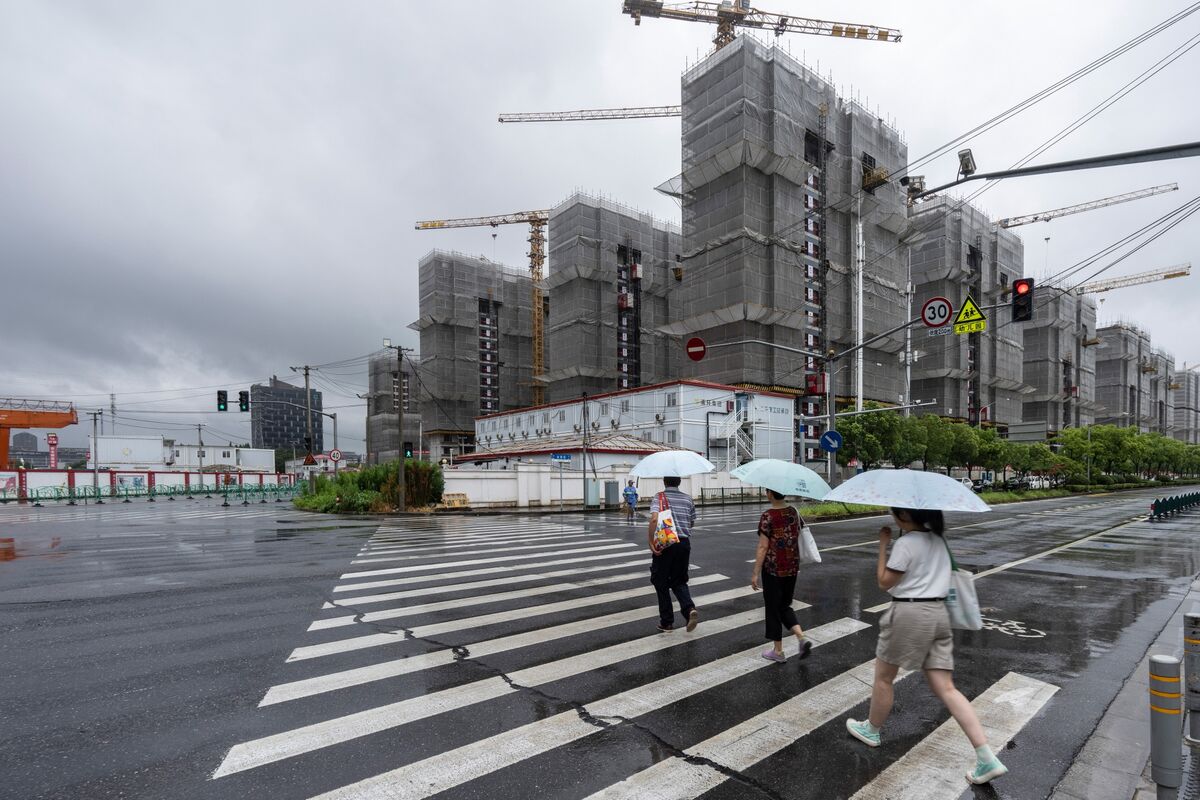
Shanghai has eased home-buying restrictions as part of China's broader efforts to stabilize its prolonged property market. New rules now permit eligible residents, including non-locals, to purchase an unlimited number of homes in outer suburbs. Additionally, non-residents with three years of pension contributions can acquire new homes in urban areas, a significant shift from previous limitations to only existing residences. This policy adjustment represents the latest attempt to stimulate demand and mitigate the nation's real estate crisis.
Shanghai has implemented a significant easing of its home-buying regulations, marking the latest targeted intervention by Chinese authorities to stabilize the nation's beleaguered property sector. The new rules remove purchasing limits for eligible residents in the city's outer suburbs and, more notably, expand access for non-residents. Specifically, non-residents with a three-year pension contribution history can now acquire new homes in urban areas, a critical shift from the previous policy that restricted them to the secondary market. This policy adjustment in a Tier-1 city like Shanghai signals a heightened sense of urgency from policymakers to stimulate demand and absorb housing inventory. While the market sentiment is moderately positive, the impact is viewed as an incremental support measure rather than a comprehensive solution to the systemic issues, such as developer debt and over-construction, that underpin China's prolonged property crisis.
AI-powered research, real-time alerts, and portfolio analytics for institutional investors.
Request DemoOverall Sentiment
moderately positive
Sentiment Score
0.50
