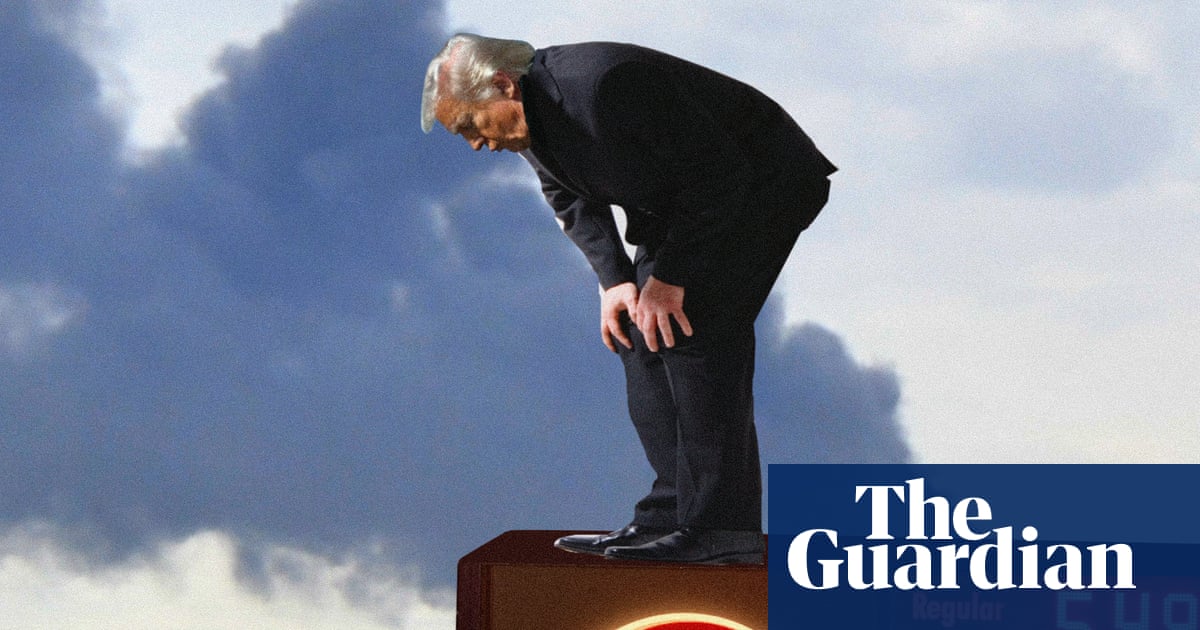
Brent crude swung from above $112 to below $100 on a Trump threat and later hovered around ~$108, while the S&P 500 initially jumped ~1.5% intraday then fell 1.78% to a year-to-date low. Markets are pricing elevated geopolitical risk from US–Iran hostilities that could choke 12.5m barrels/day of oil and 11.5bn cubic feet/day of gas, heightening volatility across bonds, oil and equities. The OECD now expects US inflation to rise to 4.2% and US pump prices are near $4/gal, reinforcing downside risk to growth and investor confidence ahead of the midterms.
Markets are repricing geopolitical risk from a short-lived headline shock to a more persistent, asymmetric premium: chokepoint risk in the Gulf is now being priced as a multi-month tail rather than a transient spike. That elevates forward volatility in oil and shipping, pushes up war-risk insurance and freight rates, and creates a durable wedge between paper oil (futures/ETFs) and physical barrels as loadings are deferred or rerouted. Expect elevated correlation between energy, inflation breakevens and real yields for the next 3–9 months as supply-risk feeds through to base goods and policy expectations.
Second-order winners and losers diverge across the value chain. Integrated majors and cash-generative US producers have the balance-sheet convexity to monetize higher realised prices quickly and thus trade as relative beneficiaries; trading desks and insurers collecting war-premiums also see steady revenue. Losers are air freight and leisure-facing consumer names exposed to persistent gasoline/jet-fuel shocks and refiners lacking heavy-sour capacity who must pay up for feedstock or accept margin compression; expect regional refiners with access to crude-by-rail to show resilience.
Risk regime: tail outcomes cluster around three catalysts — tactical escalation by regional proxies (days–weeks), successful maritime security fixes or corridor guarantees (4–12 weeks), or a negotiated durable settlement that removes tariff-like friction on shipping (3–9 months). Dealers remain short gamma into headlines; that creates repeated, tradable intraday dislocations but also elevates gap risk for leverage funds and CTA strategies.
Positioning edge: persistently high implied vols and uneven liquidity create attractive asymmetric option structures and cash-and-carry pair trades. The correct playbook is concentrated, hedged exposures with explicit stop levels and a tilt toward balance-sheet-strong energy producers over cyclicals that see demand elasticities bite — allow for outsized short-term P&L swings but limited permanent capital at risk.
AI-powered research, real-time alerts, and portfolio analytics for institutional investors.
Request DemoOverall Sentiment
strongly negative
Sentiment Score
-0.55
