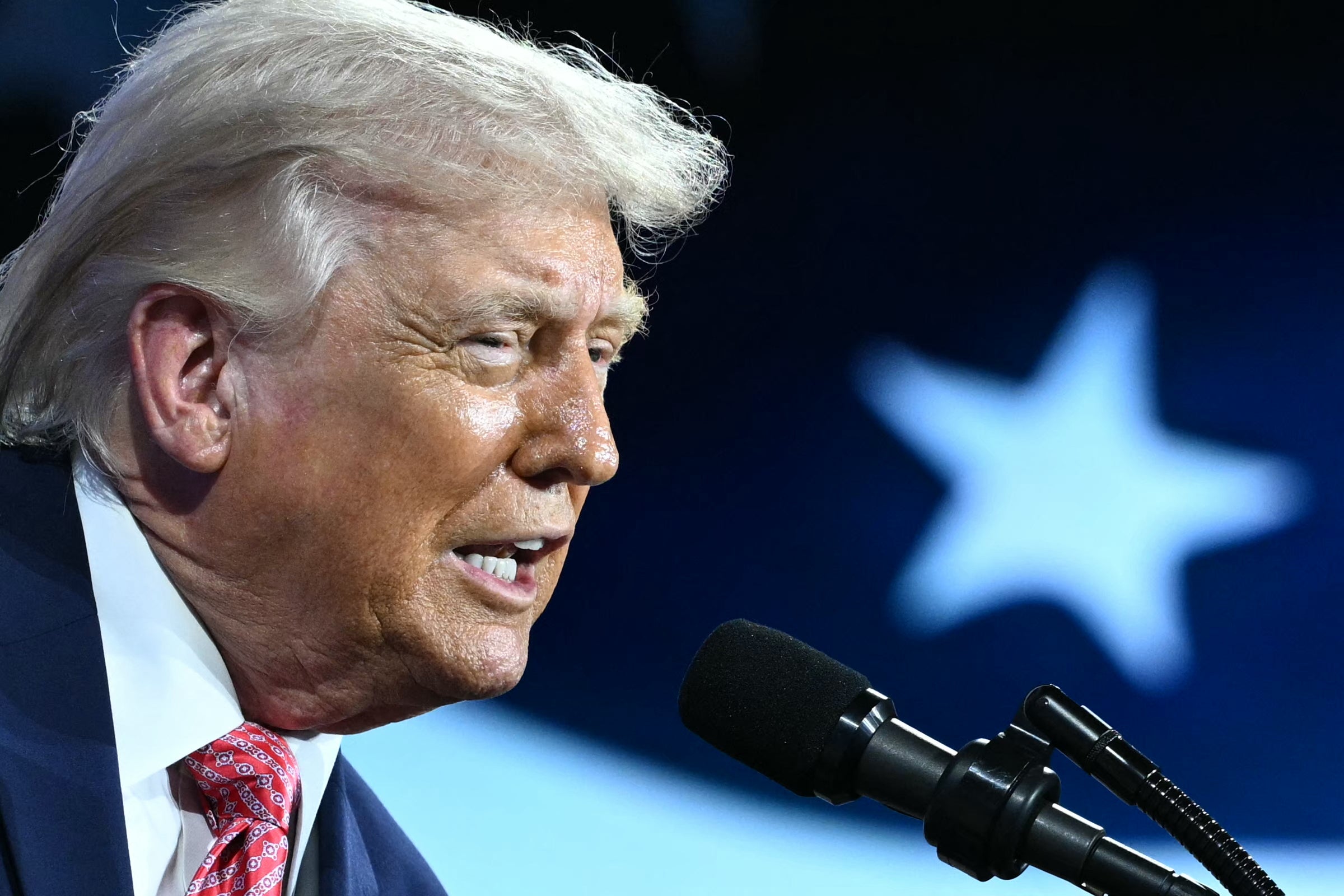
Cuba has run out of diesel and fuel oil, and the energy minister said the country has "absolutely no fuel" and "no reserves" as Havana endures 20- to 22-hour blackouts. The US blockade and Trump’s tariff threats have cut off fuel supplies from Mexico and Venezuela, leaving only one Russian tanker delivery since December and triggering the worst protests in decades. The crisis is severely disrupting public services across an island of nearly 10 million people.
The immediate market implication is not Cuba-specific, but a sharper regional premia for sanctions-friction risk. When a country near the US is cut off from refined products, the second-order effect is a higher “policy risk discount” on any trade flow dependent on discretionary US enforcement — especially Mexico/Venezuela-linked crude, small tanker operators, and Caribbean transshipment routes. The bigger signal is that diplomatic carve-outs are being replaced by coercive energy leverage, which raises the probability of sudden supply interruptions elsewhere in the hemisphere. Operationally, this is bearish for any Cuban-adjacent tourism, logistics, and perishable-goods ecosystem, but the more interesting macro read is inflationary micro-scarcity: prolonged outages drive food spoilage, hospital stress, and transport paralysis, which pushes up local parallel-market prices even if headline consumer baskets are weak. That creates a feedback loop of civil unrest and state response costs over the next 1-3 months, making restoration of grid stability less a function of generation capacity than of fuel access and political concession. The contrarian angle is that the market may be underestimating how quickly third countries can re-route symbolic volumes if the diplomatic cost becomes high enough. The fact that only a small number of shipments can materially change blackout severity means a modest policy relaxation, humanitarian exception, or backchannel arrangement could produce a violent “supply snapback” in sentiment within days. So the right framing is not a durable commodity shock, but a very high-volatility, event-driven situation with binary headlines and limited direct listed-equity exposure.
AI-powered research, real-time alerts, and portfolio analytics for institutional investors.
Overall Sentiment
strongly negative
Sentiment Score
-0.85
