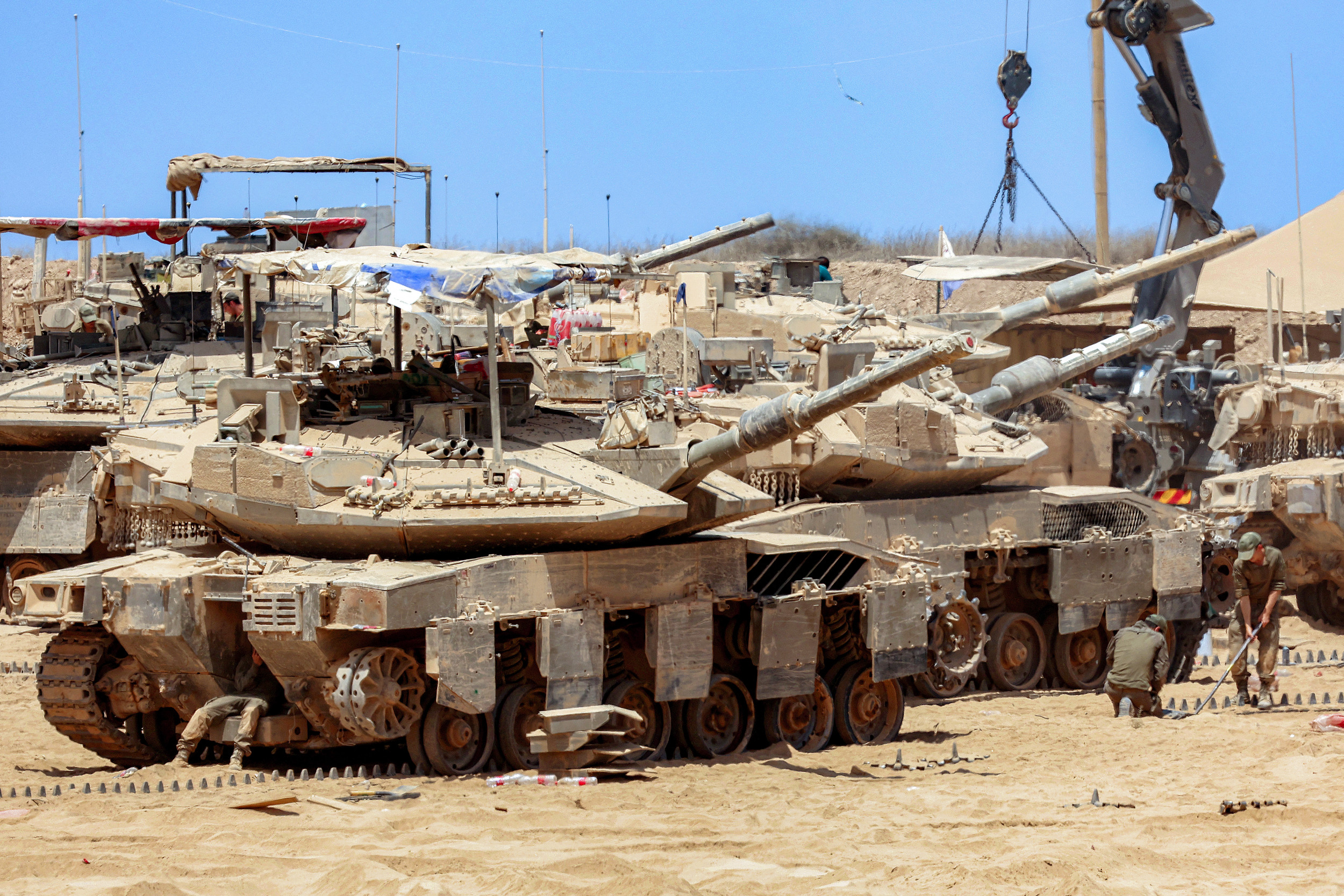
Germany has suspended arms exports to Israel, citing Israel's plan to take control of Gaza City and mounting humanitarian concerns, a significant move given Germany's position as Israel's second-largest arms supplier (approx. 30% of imports 2013-2023). This decision reflects a growing international trend of countries, including Slovenia, Canada, and Italy, implementing full or partial arms export suspensions amidst increasing global pressure over Israel's military operations in Gaza. While the United States, Israel's largest arms provider, has shown no signs of restricting military support, Germany's action highlights escalating concerns and potential shifts in geopolitical dynamics.
Germany's decision to suspend arms exports to Israel is a significant geopolitical development, given its position as the second-largest supplier, accounting for around 30% of Israel's arms imports from 2013-2023. The move, attributed to Israel's military plans for Gaza City and mounting humanitarian concerns, aligns Germany with a growing list of countries, including Canada, Italy, Spain, and the UK, that have implemented partial or full restrictions. This trend is also impacting corporate relationships, as seen with Itochu Corporation terminating its partnership with Israeli defense firm Elbit Systems at the behest of Japan's Defense Ministry. While this collective action signals increasing diplomatic pressure, its immediate operational impact is likely blunted by the continued support from the United States, which supplies two-thirds of Israel's weaponry and has shown no signs of restricting military aid. This creates a notable divergence in policy between the U.S. and several of its key European allies.
AI-powered research, real-time alerts, and portfolio analytics for institutional investors.
Overall Sentiment
moderately negative
Sentiment Score
-0.40
Ticker Sentiment
