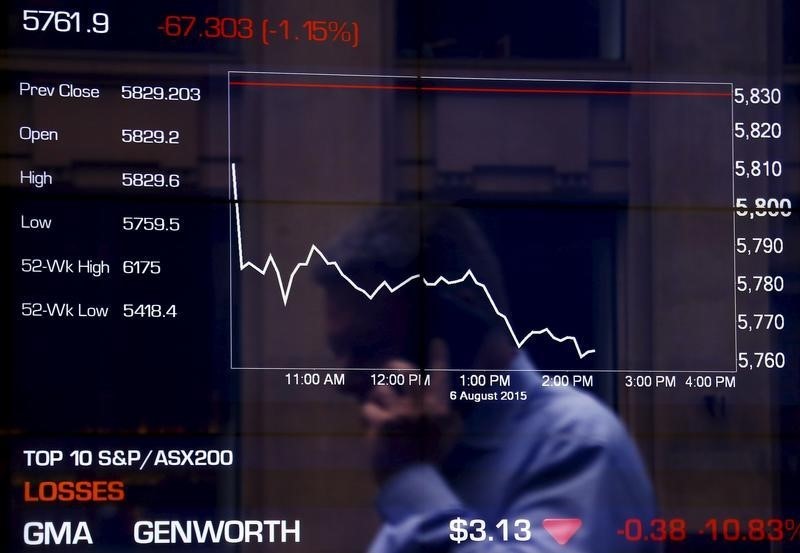
S&P/ASX 200 rose 1.74% in Sydney trade, led by IT, Metals & Mining and Materials; Guzman Y Gomez jumped 19.41% to 18.15, Nextdc +11.90% to 12.60 and Domino’s +7.26% to 17.14, while Mesoblast fell 6.57% to 1.99 and Stockland hit a 52-week low at 4.01 (-2.67%). Volatility measures were slightly higher with the S&P/ASX 200 VIX up 2.29% to 16.41. Commodities showed oil strength (WTI May +2.35% to $115.05/bbl, Brent Jun +1.41% to $111.32) and gold was modestly lower (-0.37% to 4,667.17); AUD/USD ~0.69 and DXY futures 99.87 (+0.06%). Note elevated geopolitical risk from Tehran rejecting a ceasefire proposal and comments from former US leadership, which could increase market tail risk despite the near-term risk-on move.
Geopolitical premium is re-pricing cross-asset volatility and energy-cost uncertainty; that favours companies whose revenue growth is driven by durable secular demand rather than cyclical consumer spend. AI hardware vendors with differentiated power- and space-efficiency can capture both a reallocation of corporate capex into compute and an upswing in replacement cycles as data centres optimize for higher GPU density. Liquidity and risk-on tape will lift ad-tech revenue trajectories in the near term, but that upside is highly elastic to consumer activity and can flip quickly if shipping/fuel costs feed through to discretionary demand.
Biotech names with binary clinical calendars are uniquely exposed: funding runway and volatility premia make their effective cost of capital rise in a higher-risk-price regime, compressing valuations absent positive readthroughs. For a small-cap developer, a single adverse sentiment-driven leg-down can force dilutive financing; conversely, a clean clinical datapoint will produce asymmetric upside but with very short-lived relief if macro risk returns. Second-order winners include component suppliers to high-density GPU servers (power supplies, liquid-cooling vendors) and niche commodity miners that benefit from commodity-flow reallocation as logistics and freight reprioritize resource flows.
Near-term reversals hinge on two clear catalysts: credible diplomatic de-escalation (weeks) or a sustained fall in energy-driven input-costs (1–3 months), either of which would re-compress volatility premia and rotate flows back into cyclicals and small-cap biotech. Watch cross-asset signals — widening basis between energy futures and implied vols or a sustained skew in options markets — as early warnings that the market’s risk-on rebound is fragile and likely to snap back into risk-off. Position sizing should assume regime switches that can erase 20–40% of short-term gains within days, so trades must be structured with defined downside protection.
AI-powered research, real-time alerts, and portfolio analytics for institutional investors.
Request DemoOverall Sentiment
mildly positive
Sentiment Score
0.15
Ticker Sentiment
