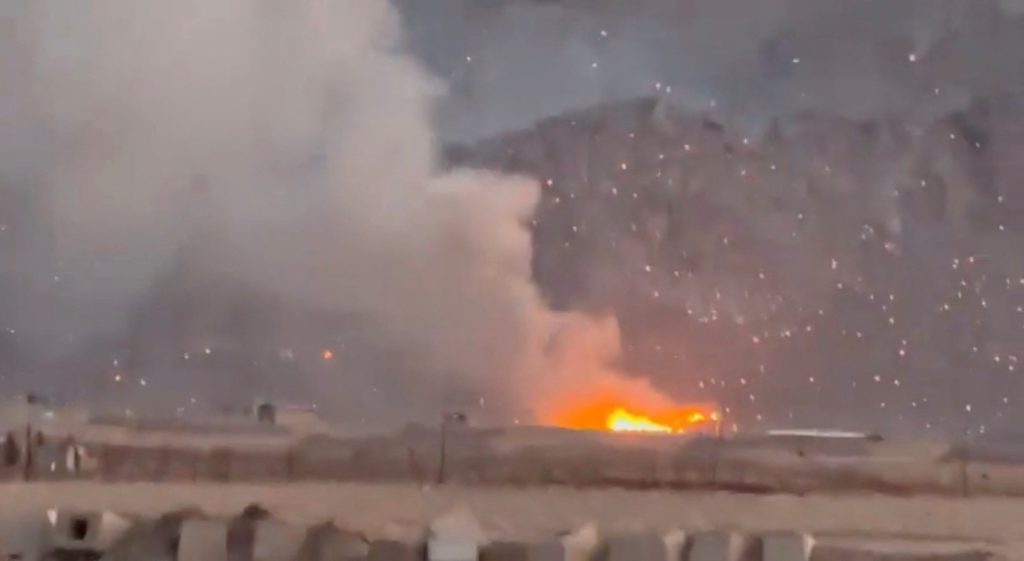
The Strait of Hormuz transit collapsed from a pre-war average of >100 ships/day to only handfuls, prompting Brent crude prices to spike and global markets to open lower. The U.S., Israel and Iran continue strikes while President Trump signaled another two-to-three weeks of escalation, increasing near-term oil supply shock risk. Diplomats are pursuing a plan and a UN Security Council draft to protect shipping, but a Russian veto risk and coordinated military enforcement remain unresolved.
Shipping disruption risk propagates through freight economics more than immediate supply shortfalls: rerouting around longer passages raises voyage time by ~7–10 days, creating a mechanically higher spot tanker demand and a 25–75% lift in VLCC/aframax dayrates within 1–3 months if disruptions persist. Insurance and war-risk premia will reprice faster than cargo flows can be rerouted; a 2x war-risk premium is sufficient to move incremental delivered oil costs by $0.30–$1.00/bbl for refiners in Europe/Asia, compressing crack spreads unevenly across the system.
Refiners and midstream see asymmetric impacts: east-of-Suez refiners that rely on light-sweet barrels face narrower arbitrage windows while Gulf and US domestic players with access to heavier crudes can temporarily capture wider gross margins. LNG contracts and FSRU solutions limit immediate gas supply shocks, but shipping rebalancing and contract destination swaps create multi-week delivery slippage that can lift spot LNG and refined-product volatility for 1–3 months.
Defense contractors and specialised shipping owners are the clearest corporate beneficiaries of prolonged disruption: procurement cycles accelerate, while modern double-hull tanker owners and operators with high fixed-rate coverage will see cashflow leverage to higher spot rates. Conversely, marine insurers and Bermuda reinsurers take near-term underwriting risk; a single large loss or sanctioned-asset seizure could swing the sector’s combined ratio by multiples of current quarterly earnings.
Key catalysts to watch are diplomatic backchannels, a UN vote outcome, and any coordinated release of strategic reserves — each can unwind the premium quickly (days–weeks). Tail risks include accidental tanker losses or escalation to broader Strait-area mining that would institutionalise higher freight/insurance costs for years and force structural rerouting of trade lanes.
AI-powered research, real-time alerts, and portfolio analytics for institutional investors.
Request DemoOverall Sentiment
strongly negative
Sentiment Score
-0.70
