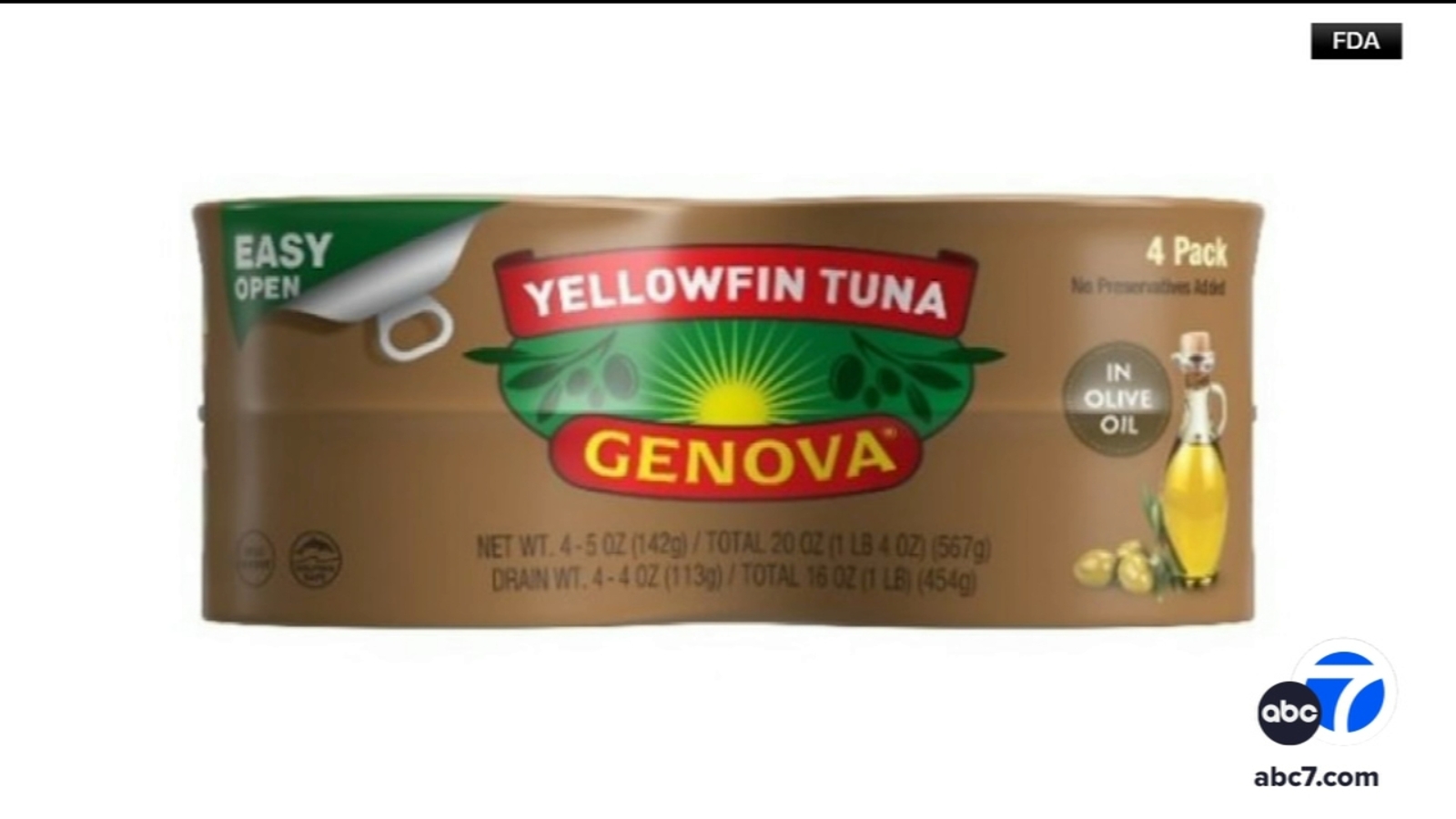
Tri-Union Seafoods voluntarily recalled limited Genova Yellowfin Tuna after reporting a defective easy-open pull-tab that may compromise can seals and risk contamination with Clostridium botulinum. A third-party distributor inadvertently shipped quarantined cases to stores in nine states—including Safeway/Albertsons/Vons/Pavilions, Meijer and Giant—prompting consumer return/retrieval instructions and potential reputational and recall-cost exposure, though the incident appears geographically limited and operational rather than systemic.
Market structure: this is a localized shock concentrated on Tri‑Union/Genova and the banners that carried the product (Albertsons banners: ACI; Giant Food banners: Ahold Delhaize - AD). Winners are large diversified grocers with stronger QA (e.g., KR, AD) who can capture displaced volume; specialty canned seafood suppliers and private-label lines at affected stores are losers. Pricing power impact is negligible for staples (<1–2% upside in affected SKU prices) but shelf-space reallocation could shift share by several percentage points regionally over 1–3 months.
Risk assessment: tail risks include confirmed botulism cases triggering multi‑state class actions, FDA expanded recalls, or distributor liability that could impose >$50–$200M combined losses if severe; probability low but material to suppliers/insurers. Immediate risk (days) is reputational/social media amplification; short term (weeks–months) is regulatory scrutiny and litigation; long term (quarters) is contract re‑allocation and potential insurance premium increases. Hidden dependency: third‑party distributor indemnities and existing recall insurance limits may leave retailers exposed.
Trade implications: tactical trades favor long dominant grocery chains (AD, KR) vs short more exposed banners (ACI) for 2–8 weeks while headlines persist. Implement small, size‑controlled positions: e.g., 0.5–1% notional short ACI paired with equal‑notional long AD/KR; use put spreads on ACI (6–12 week) to limit downside. Rotate away from niche canned seafood processors and into food‑safe large caps; expect mean reversion in 1–3 months unless new illnesses emerge.
Contrarian angles: consensus will treat this as transient — that is likely correct absent confirmed illnesses; an overreaction could create a 5–15% buying opportunity in ACI if it sells off on headlines. Historical recalls (e.g., deli/meat/listeria episodes) show core grocery demand rebounds in 1–3 months while smaller suppliers face consolidation; a prolonged regulatory tightening would favor larger chains and accelerate M&A among processors.
AI-powered research, real-time alerts, and portfolio analytics for institutional investors.
Request DemoOverall Sentiment
moderately negative
Sentiment Score
-0.35
