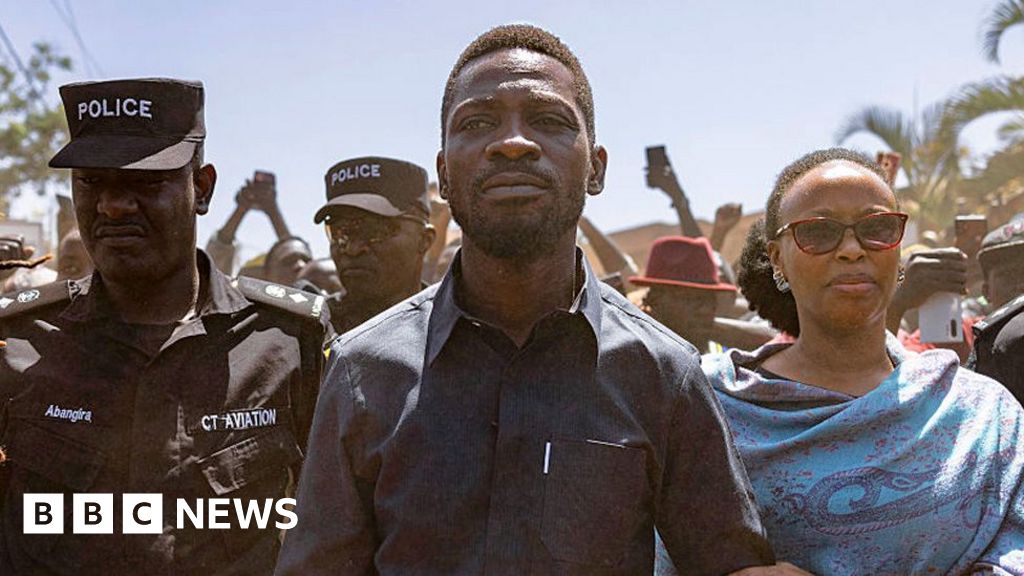
Partial results from Uganda's presidential vote show incumbent Yoweri Museveni with about 72% and opposition leader Bobi Wine at 24% based on returns from 94% of polling stations; Wine's camp alleges he was seized by a helicopter while police deny the claim and say his movements are restricted. An ongoing internet blackout, reports of at least seven opposition supporters killed, delayed voting due to biometric failures and a US embassy safety alert amplify political risk and information uncertainty, increasing the probability of short-term local market and FX volatility and heightened caution among external investors.
Market structure: Short-term winners are safe-haven assets (USD, gold) and local security/logistics contractors; losers are Uganda sovereign credit, local banks, frontier-Africa equities and tourism operators as capital flight and disrupted transactions drive FX and equity pressure. Expect UGX depreciation >5% within days if internet/controls persist and a 100–300bp widening in Uganda sovereign spreads over weeks if unrest continues, pressuring regional banking links and correspondent lines.
Risk assessment: Tail risks include protracted street violence or targeted sanctions that trigger capital controls, seizure of assets, or a ratings downgrade (low-probability but P&L-relevant). Immediate (0–7 days) risks are liquidity and execution; short-term (weeks–3 months) are repricing of sovereign & banking risk; long-term (3–18 months) are policy entrenchment or reform that alter foreign investment flows. Hidden dependencies: pan-East-Africa payments (M-Pesa/correspondent banks) and oil project timelines could transmit shocks regionally.
Trade implications: Tactical actions should favor liquid EM hedges and safety: reduce frontier Africa exposure, buy short-dated USD duration and gold, and buy EM downside protection (3-month EEM puts) to hedge spillovers. If unrest is contained quickly (internet restored within 72h and no sanctions), unwind hedges; if not, increase allocation to USD cash/short Treasuries and add concentrated shorts in EM sovereign ETFs (EMB) and Africa ETF (AFK).
Contrarian angles: The consensus of broad EM selloff may be overdone if Museveni consolidates power quickly — historical parallels (Kenya 2007–08) show 20–30% draws that recovered in 9–18 months, creating selective buying opportunities. Look for mispricings: high-quality Kenyan/Nigerian blue-chips and telecoms could be accumulated after 20–30% clears and stabilization signals (internet restored, <3 days of curfew) appear, offering asymmetric returns vs continuing broad EM downside.
AI-powered research, real-time alerts, and portfolio analytics for institutional investors.
Request DemoOverall Sentiment
moderately negative
Sentiment Score
-0.50
