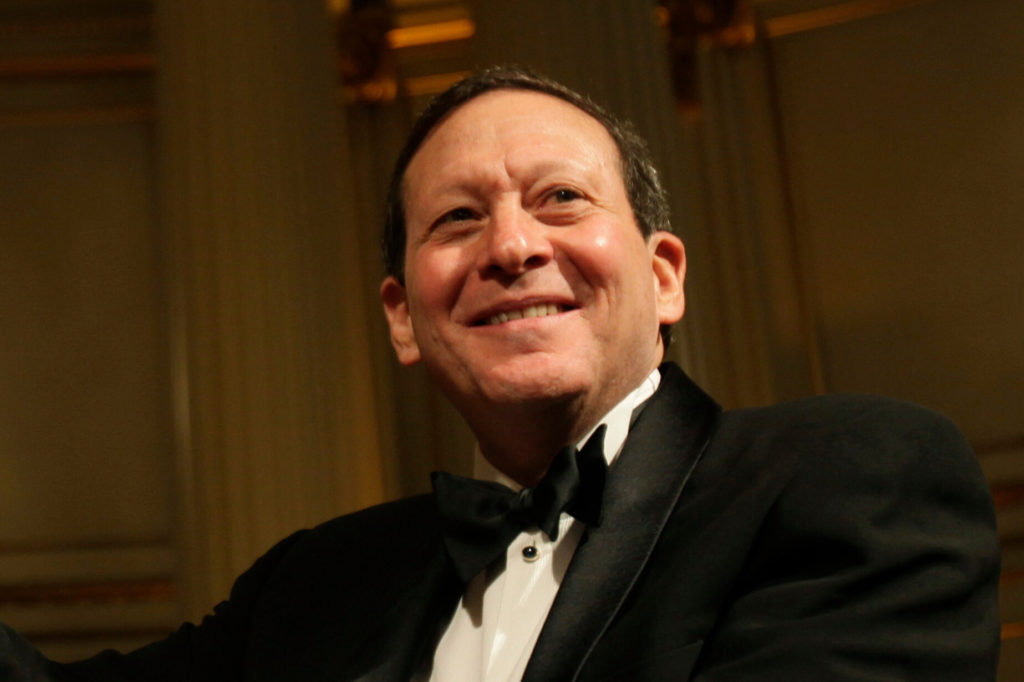
Thomas Pritzker, 75, has retired effective immediately as executive chairman of Hyatt Hotels and will not stand for re-election to the company's board after DOJ-released documents revealed numerous email exchanges tying him to Jeffrey Epstein; Hyatt CEO Mark Hoplamazian will succeed him as chairman. Pritzker led Hyatt for more than 20 years; the sudden leadership change and reputational fallout present governance and regulatory scrutiny risks for the operator of roughly 1,500 hotels in over 83 countries and could exert near-term pressure on investor sentiment.
Market structure: Hyatt (H) faces immediate reputational and governance pressure that will likely transfer a short-term 3–8% equity price shock to the company while peers (Marriott MAR, Hilton HLT) and large-cap leisure ETFs capture incremental bookings and investor flows. Travel demand/RevPAR fundamentals are unchanged — leisure and corporate travel recovery continues — so pricing power loss is likely transient unless litigation or regulatory penalties exceed ~0.5–1% of market cap. Cross-asset: expect H equity implied vol to rise 20–40% in days, HY/corporate spread widening of ~10–30 bps for Hyatt paper, minimal FX/commodities impact.
Risk assessment: tail risks include a material class-action or regulatory fines (> $500M) or credit-rating review that could widen funding costs materially; probability low but impact high. Timeline: days — headline-driven equity volatility and options flows; weeks–months — shareholder vote, potential activist interest; quarters — brand erosion risk if management missteps. Hidden dependencies: political exposure (Illinois/Gov. Pritzker ties) and vendor/partner contract clauses that could trigger reputational covenants.
Trade implications: tactical trades favor short-term protection on H and relative longs in stronger-brand peers. Use options to cap cost: buy 6-week put spreads to capture an expected 3–8% downside; open a 3–6 month pair trade long MAR / short H for capture of relative re-rating; avoid directional long H until share price discounts governance/legal outcomes (wait for >10% drop or 30–60 day clarity). Monitor catalyst calendar: DOJ releases, Hyatt proxy materials, rating agency notices within 30–90 days.
Contrarian angle: consensus assumes permanent brand damage; history shows chair-level scandals often produce 5–12% transient drawdowns with limited long-term EBITDA impact if management transition is clean. If H falls >10% without credit action, this may be a buying opportunity — conditional on no adverse regulatory rulings within 90 days. Unintended consequence: heavy shorting could invite activist accumulation, accelerating governance improvements and a sharper rebound within 3–6 months.
AI-powered research, real-time alerts, and portfolio analytics for institutional investors.
Request DemoOverall Sentiment
moderately negative
Sentiment Score
-0.40
Ticker Sentiment
