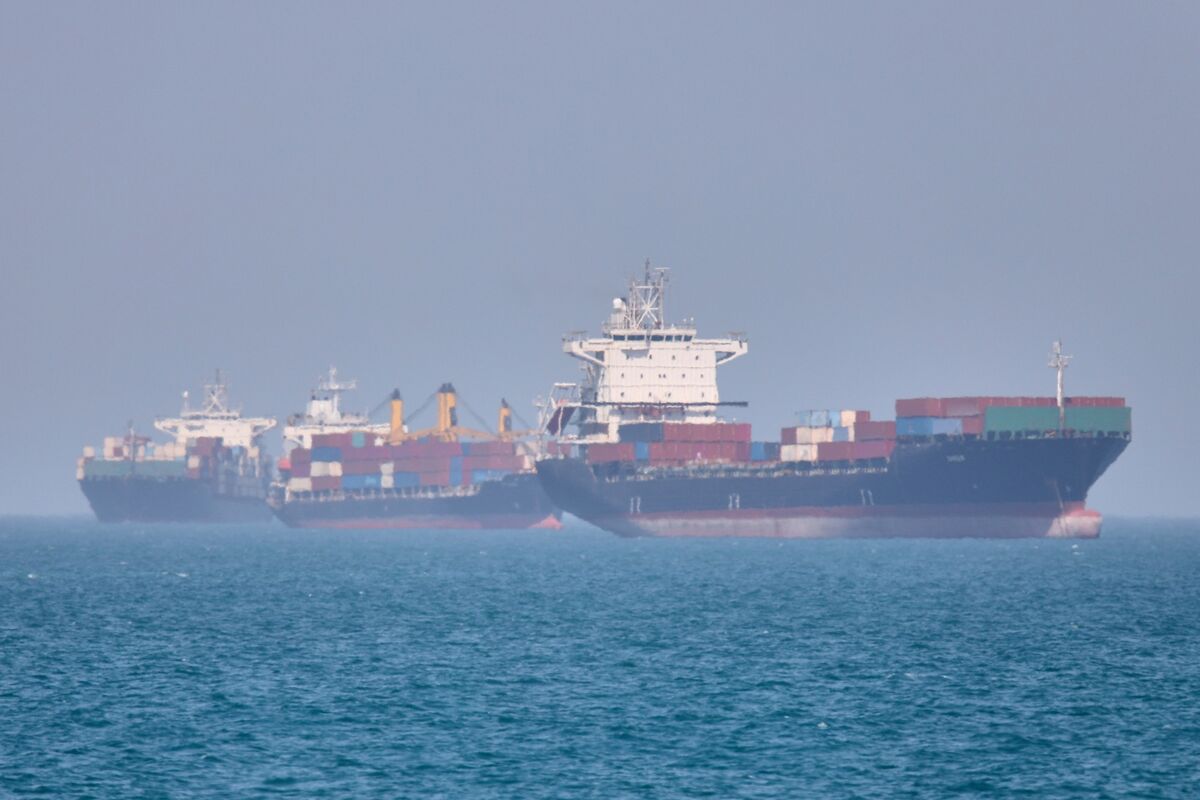
Traffic through the Strait of Hormuz remained largely frozen as Iran attacked ships and the US began a plan to guide vessels out of the waterway. Only a handful of mostly Iran-linked vessels were moving by early Monday in London, underscoring a severe disruption to a critical global shipping chokepoint. The uncertainty around President Trump’s proposed 'humanitarian' evacuation effort keeps energy and shipping markets on edge, with potential implications for oil flows and freight rates.
The immediate market implication is not just a higher risk premium in crude; it is a forced repricing of delivery optionality across the entire Gulf energy complex. When a chokepoint effectively functions as a binary switch, the winners are the assets with physical flexibility—non-Gulf crude, floating storage, and carriers that can reposition quickly—while refiners and petrochemical buyers with Gulf exposure face both feedstock uncertainty and working-capital stress. Second-order effects likely show up first in freight and insurance rather than outright commodity prices. Even if spot Brent only grinds higher, tanker availability can tighten sharply as war-risk premiums, rerouting, and port delays remove capacity from the market; that tends to steepen regional crude differentials and create a temporary scarcity of compliant ton-miles. Over days, the cleanest expression is vessels and logistics; over months, the bigger risk is inventory drawdown and margin compression for import-dependent industrials in Asia and Europe. The catalyst path is asymmetric: de-escalation can restore flow quickly, but any additional attack extends the disruption by forcing shipowners, insurers, and charterers to re-underwrite the corridor. A limited reopening is not the same as normalization; if traffic resumes under armed escort or with constrained routing, the economic tax remains elevated. The key tail risk is that markets underprice how long it takes to rebuild confidence after a maritime security shock, even if physical damage is limited. The contrarian view is that the initial risk-off move may be too broad if traders assume a sustained supply loss rather than a logistics shock. Oil may not need to explode to make the trade; a persistent insurance/freight squeeze can be far more profitable for niche beneficiaries than a headline-driven spike that later reverses. If diplomatic channels produce even partial assurance within 1-2 weeks, crowded long-energy beta trades could give back quickly while shipping and defense-adjacent names retain some of the premium.
AI-powered research, real-time alerts, and portfolio analytics for institutional investors.
Request DemoOverall Sentiment
strongly negative
Sentiment Score
-0.55
