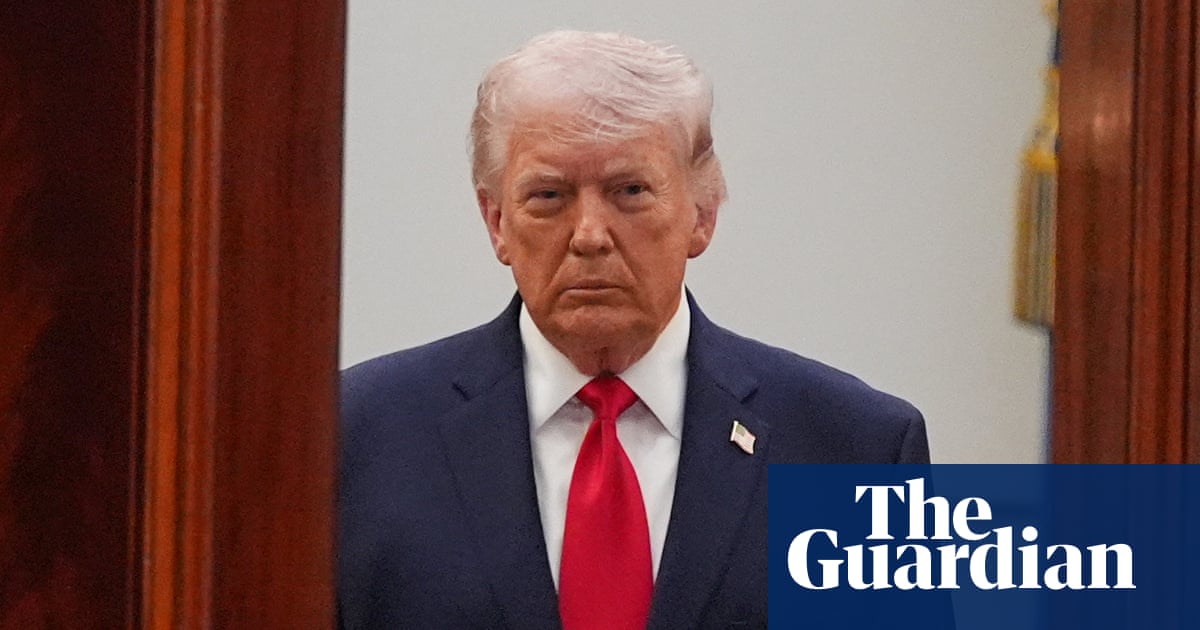
More than 210 cases since the start of 2025 have produced strong adverse rulings against the Trump administration (Just Security): 90 instances expressing distrust of government representations, 91 findings of arbitrary and capricious administrative action, and 34 instances of non‑compliance with court orders. High‑profile district rulings have halted or slowed deportation, tariff and prosecutorial initiatives and spurred emergency appeals to the Supreme Court, elevating political and legal risk for policy‑sensitive sectors (tariffs, Fed independence) and increasing regulatory uncertainty.
A sustained pattern of lower-court pushback creates a new, persistent legal-friction premium in markets: policies that used to move by executive fiat now face multi-month litigation timelines, emergency appeals to SCOTUS, and higher odds of injunctions. That delays policy transmission (tariffs, immigration, DOJ enforcement) and increases volatility around judicial calendar events; expect discrete repricing windows around district rulings, appeals filings, and SCOTUS emergency orders where realized vol can spike 40–80% intraday versus baseline.
Second-order winners are assets that benefit from slower policy churn and clearer statutory frameworks — long-duration Treasuries and cash-like gold as flight-to-quality instruments; losers are short-duration, policy-sensitive cyclicals (industrial exporters exposed to tariff uncertainty, regional banks exposed to regulatory surprise). Credibility erosion at DOJ raises odds that enforcement-driven equity selloffs (antitrust, high-profile prosecutions) will be followed by unpredictable legal reversals, lengthening resolution times from weeks to quarters and increasing fair-value discount rates for affected firms by 200–400bp.
Key catalysts and time horizons: expect near-term volatility around any high-profile district court opinions and emergency SCOTUS filings (days–weeks), with medium-term regime effects (months–18+ months) if the administration continues public attacks that materially increase threats to judges or incentive structures inside DOJ. A quick reversal could come from either de-escalation by the White House, a unifying Supreme Court decision that clearly delineates executive powers, or a political check (Congress) within 3–12 months; absent that, the elevated legal-premium is likely to persist through election cycles.
AI-powered research, real-time alerts, and portfolio analytics for institutional investors.
Request DemoOverall Sentiment
moderately negative
Sentiment Score
-0.50
