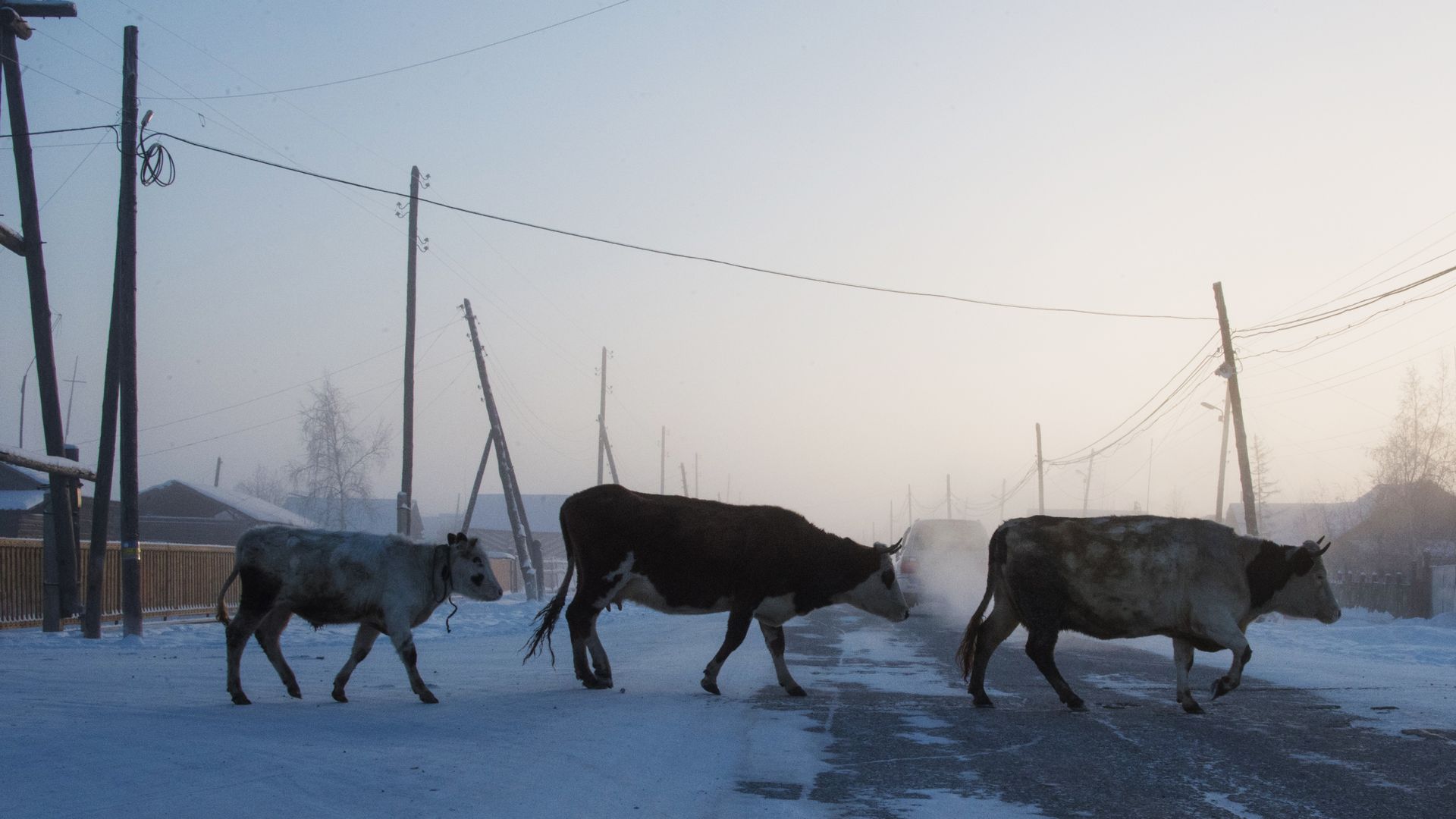
A cattle outbreak in Siberia since mid-February is officially described as pasteurellosis but government measures — mass culls, lockdowns and secrecy — mirror an FMD response and have provoked farmer resistance. Russia's 2025 WOAH FMD-free status, which underpins meat exports to China and Middle Eastern markets (Kazakhstan has already issued a partial ban), is at risk, raising the prospect of meaningful near-term export disruption for Russian meat producers. Continued opacity and containment failures increase supply-chain, reputational and regulatory downside for exporters if FMD-free status is revoked.
A localized livestock disease scare creates abrupt, asymmetric demand for replacement protein and certificate-compliant suppliers. Practically, buyers with strict import certification will short-run pivot to large, certificate-aligned exporters; this can reroute frozen beef volumes in the order of tens-to-low hundreds of kilotonnes over 1–3 months, producing spot-freight and refrigerated-storage squeezes that lift nearby availability premiums by mid-single to low-double digits.
On the supply side, forced culling and village-level resistance produce a multi-phase supply shock: an immediate physical removal of animals, then a 3–9 month breeding/restocking lag, and finally a 9–18 month structural output shortfall while herd fertility and herd age profiles normalize. That serial timing implies the strongest price moves will be front-loaded (weeks–months) with a second, broader tightening window at 6–12 months driven by reduced throughput rather than just logistics.
Market participants that win are scale exporters and integrated processors able to redeploy frozen inventory and certified supply quickly; losers are regionally concentrated producers, local processors and any downstream supply chains with low inventory. Key catalysts to watch over the next 2–8 weeks are (1) trade-restricting actions by large buyers, (2) official compartmentalization or re-certification timelines announced by global animal-health bodies, and (3) shipment-level bans or targeted inspections by major ports — any of which would materially steepen nearby spreads.
AI-powered research, real-time alerts, and portfolio analytics for institutional investors.
Overall Sentiment
mildly negative
Sentiment Score
-0.35
