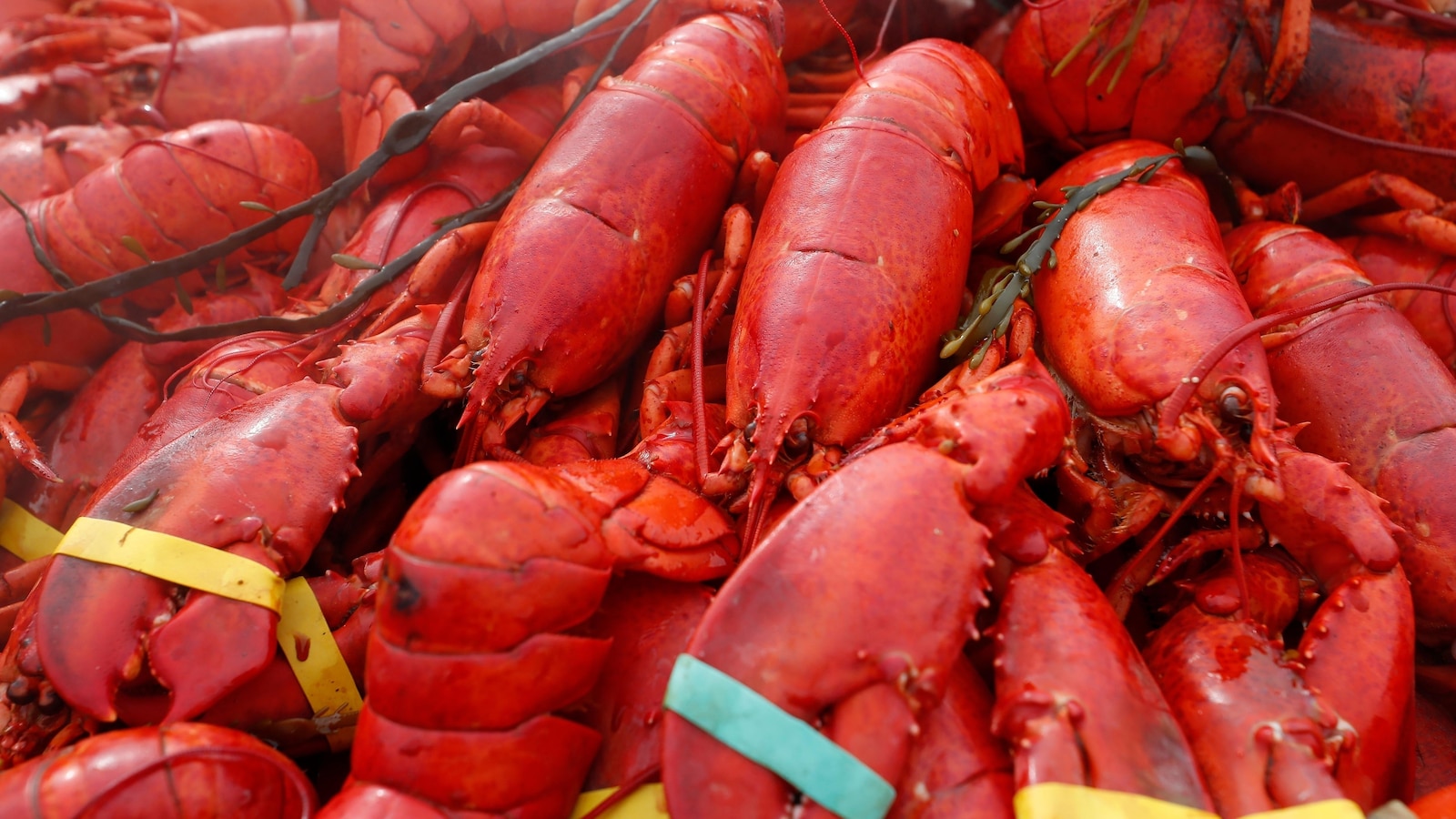
Multiple organized cargo thefts in New England resulted in the loss of 40,000 oysters (about $20,000 in cages and stock), an unspecified cache of crabmeat from a Lineage Logistics warehouse, and roughly $400,000 of lobster meat bound for Costco stores. The December incidents included a sophisticated impersonation of a legitimate carrier—spoofed email, fake driver’s license and altered truck branding—highlighting growing freight-theft and cybersecurity-enabled risks for cold-chain logistics and food retailers. While localized, the thefts underscore operational vulnerabilities that can raise costs for suppliers and consumers and create reputational and legal exposure for logistics providers and retailers.
Market structure: Organized, sophisticated freight theft shifts value toward firms that can offer provenance, locked cold-storage and real‑time telematics. Winners: cold‑storage REITs (Americold, COLD) and asset‑light carriers/parcel networks with strong visibility (ODFL/UPS); losers: small regional brokers, unsecured 3PLs and commodity producers exposed to shrink. Expect modest wholesale price pressure in perishable categories (1–5% nationally, up to 10–20% regionally for seafood) over the next 3–12 months as shrink and insurance costs are passed through.
Risk assessment: Tail risks include a coordinated criminal escalation or systemic e‑commerce/phishing attack that disrupts cold‑chain flows, which could push regional seafood inflation +20% and trigger regulatory mandates within 6–18 months. Near term (days–weeks) volatility is operational (thefts around holidays); short term (months) is contract/insurance repricing; long term (quarters–years) is structural capex toward secure logistics and M&A consolidation. Hidden dependencies: payment/EDI spoofing can create cashflow losses before physical theft is noticed, amplifying broker counterparty risk.
Trade implications: Direct plays favor secure cold‑storage and carriers with telematics: take tactical long exposure to COLD and selective long on ODFL/UPS to capture pricing power and contract stickiness. Use option call spreads to limit premium; hedge retail grocers (COST) with small, time‑bound downside protection rather than large directional shorts. Pair trades: long COLD vs short a commodity‑exposed regional broker (small notional) to capture relative rerating as customers consolidate into secure providers.
Contrarian angles: The market may overestimate near‑term impact on resilient retailers like COST — a single theft wave is unlikely to move earnings >1–2% annually, so defensive selling of blue‑chips is likely overdone. Underappreciated is the multi‑year capex cycle for cold chain (5–10% incremental capex across operators) that should drive sustained demand for secure facilities and telematics vendors; this supports a multi‑quarter overweight in COLD/ODFL rather than a knee‑jerk trade against retailers.
AI-powered research, real-time alerts, and portfolio analytics for institutional investors.
Request DemoOverall Sentiment
moderately negative
Sentiment Score
-0.45
Ticker Sentiment
