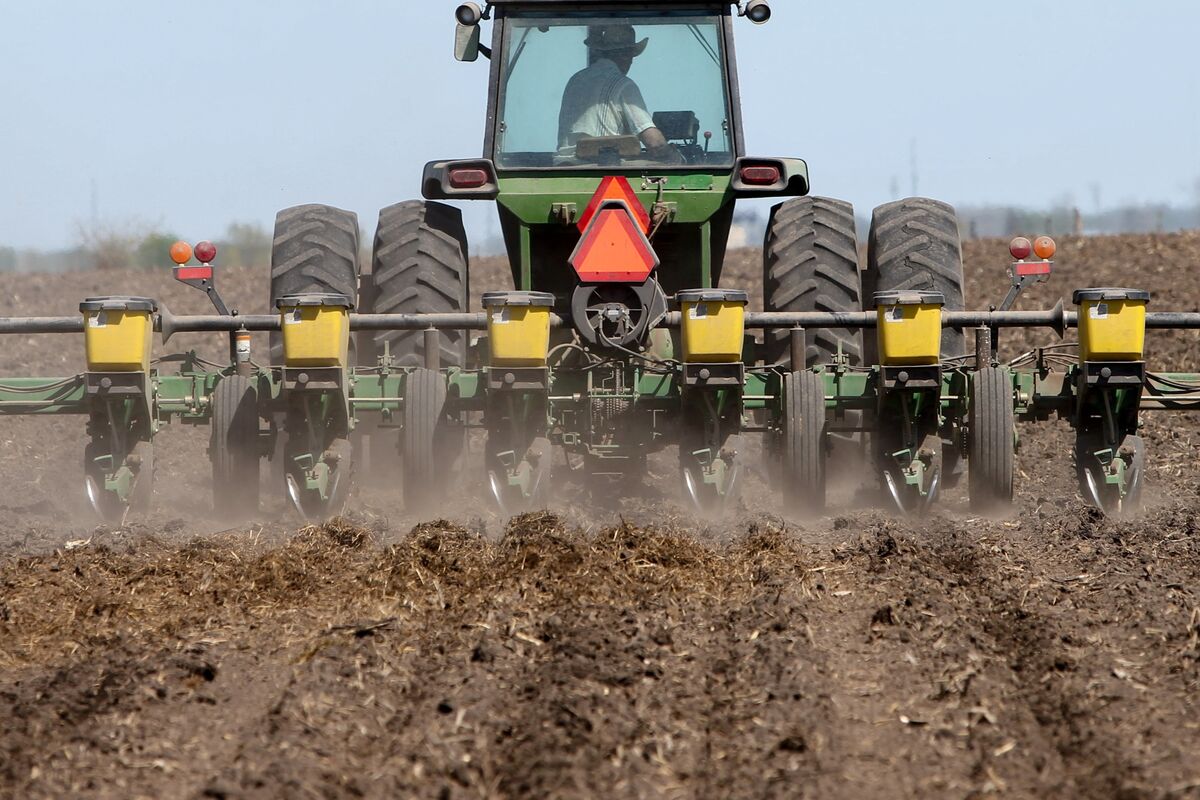
Soybean futures surged to a five-week high after the USDA unexpectedly announced a significant reduction in US planted acres, tightening supply projections. This supply-side constraint is forecast to drive US stockpiles for the 2025-26 season to a three-year low, providing market support despite ongoing demand uncertainty, particularly from China's continued avoidance of American crops.
Soybean futures have surged to a five-week high, a direct reaction to a surprisingly large reduction in US planted acreage announced by the US Department of Agriculture. This supply-side shock has fundamentally altered the market outlook, with forecasts now indicating that US stockpiles for the 2025-26 season will fall to a three-year low. The tightening supply narrative is currently outweighing persistent uncertainty on the demand front, which stems from the continued avoidance of American crops by the world's top importer, China. The market's sharp upward movement suggests that traders are pricing in the immediate impact of a constrained supply over the more ambiguous long-term demand picture.
AI-powered research, real-time alerts, and portfolio analytics for institutional investors.
Request DemoOverall Sentiment
strongly positive
Sentiment Score
0.60
