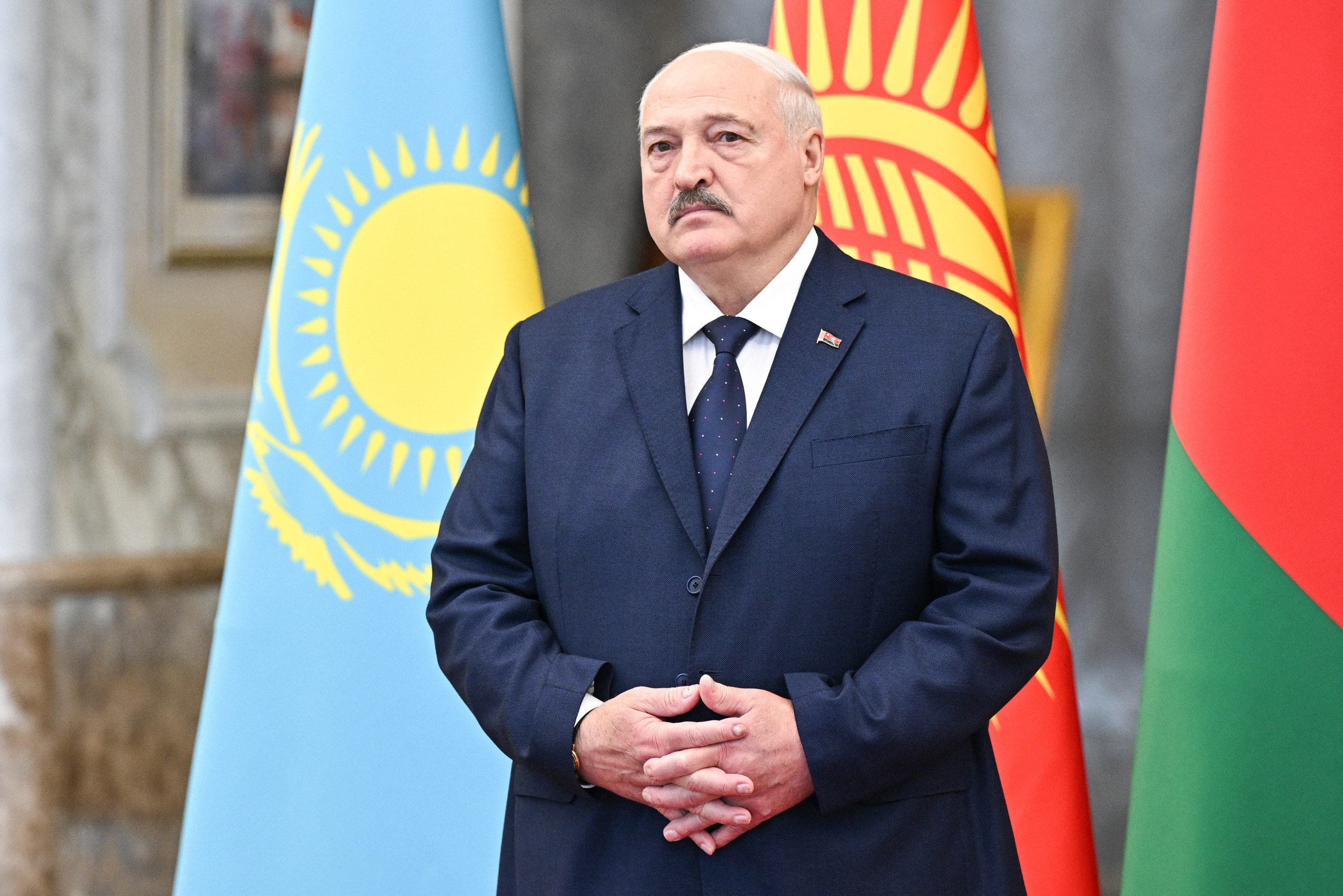
Belarusian President Alexander Lukashenko announced he will not seek another term, concluding his three-decade rule closely allied with Vladimir Putin and integral to Russia's Ukraine invasion. This decision, despite his current term extending to 2030, introduces significant geopolitical uncertainty regarding Belarus's future alignment and its relationship with both Russia and the West, potentially altering regional dynamics.
The announcement by Belarusian President Alexander Lukashenko that he will not seek another term after 2030 marks a significant, albeit distant, potential inflection point for a key Russian ally. Having been in power since 1994 as the country's only post-Soviet leader, his tenure has been defined by an exceptionally close alliance with Moscow, most recently demonstrated by facilitating Russia's invasion of Ukraine. This has resulted in significant Western sanctions against Belarus. While Lukashenko's advice for a successor to avoid abrupt change suggests a preference for maintaining the status quo, the six-year lead time until his term ends introduces a prolonged period of geopolitical uncertainty. The stability of his rule has been visibly challenged, as evidenced by the mass protests and severe crackdowns following his disputed 2020 reelection. This announcement now formally puts a date on the end of his three-decade rule, creating a long-term watch item for regional stability, the future of Russia-Belarus relations, and any potential for a political pivot toward the West.
AI-powered research, real-time alerts, and portfolio analytics for institutional investors.
Request DemoOverall Sentiment
neutral
Sentiment Score
0.00
