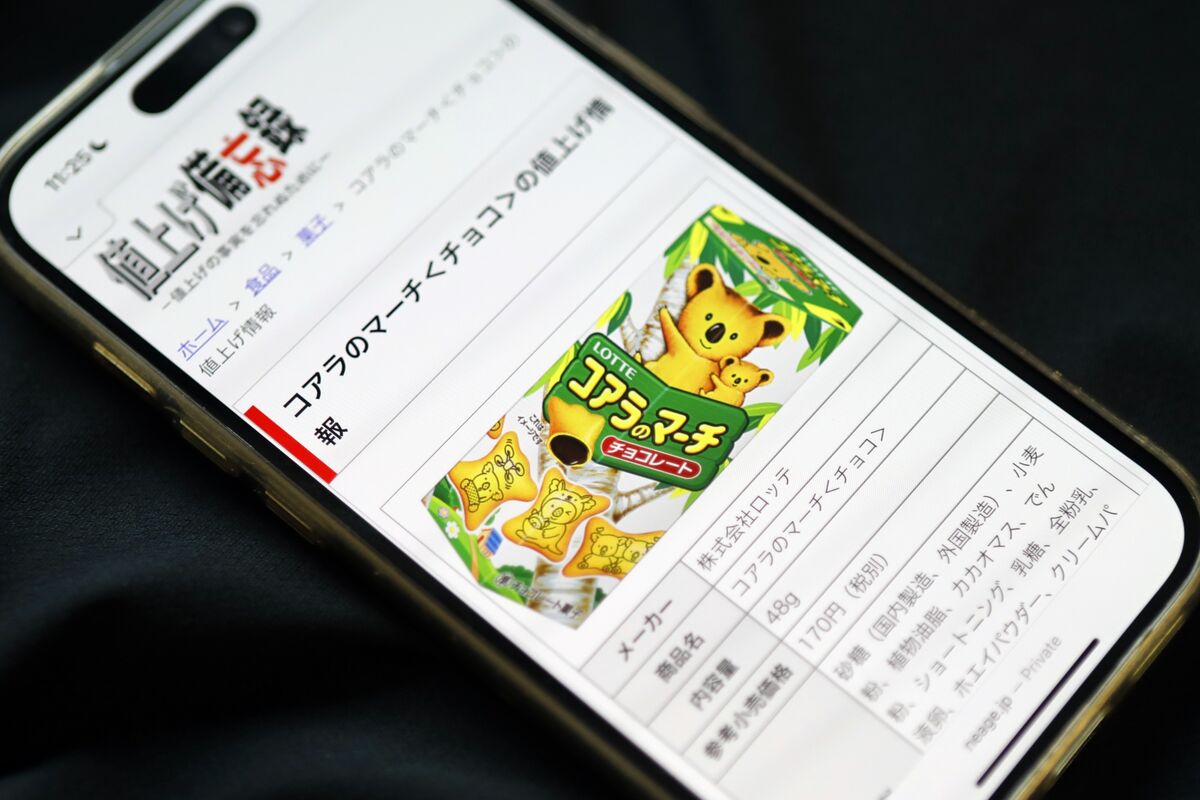
Japanese consumers, unaccustomed to inflation after decades of deflation, are increasingly utilizing grassroots websites like Neage.jp (receiving approximately 2,000 daily visits) to track 'shrinkflation'—where products are becoming smaller while prices effectively rise. This emerging consumer behavior signals growing awareness of hidden inflationary pressures and represents a significant shift from Japan's prolonged deflationary environment, potentially influencing future consumer spending patterns and corporate pricing strategies.
A significant behavioral shift is emerging among Japanese consumers, who are transitioning from a three-decade-long deflationary mindset to actively confronting inflationary pressures, specifically in the form of 'shrinkflation'. The rise of grassroots price-tracking websites, such as Neage.jp which garners approximately 2,000 daily visits, indicates a growing, data-driven consumer response to covert price increases in everyday goods. This heightened awareness poses a direct challenge to the pricing power of consumer packaged goods (CPG) companies, which may have previously relied on reducing product size to protect margins without adjusting list prices. While the market impact score of 0.3 suggests this is currently a nascent trend, it signals a potential erosion of consumer trust and could foreshadow shifts in brand loyalty and spending patterns, pressuring companies to adopt more transparent pricing strategies.
AI-powered research, real-time alerts, and portfolio analytics for institutional investors.
Request DemoOverall Sentiment
moderately negative
Sentiment Score
-0.50
