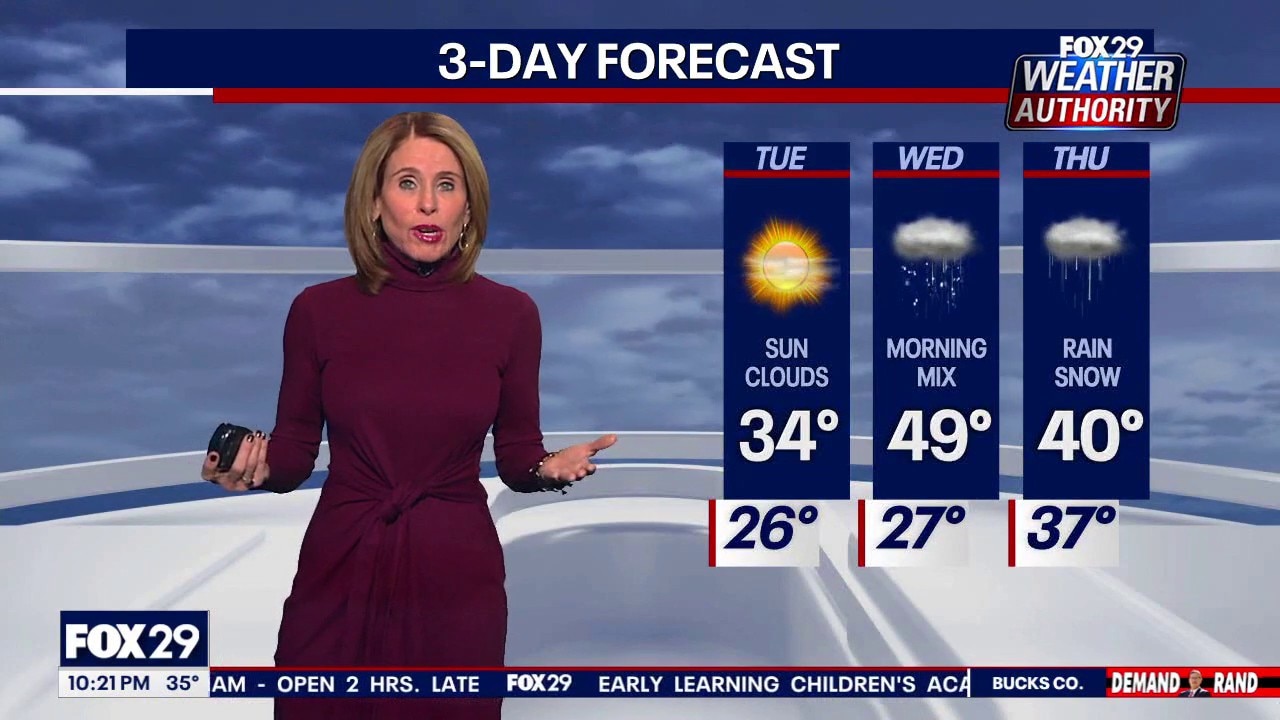
A major winter storm dumped more than a foot of snow across the Philadelphia metro with localized totals of 18+ to 20+ inches, prompting a Snow Emergency, widespread power outages (100,000+ customers), and extensive travel disruption including 600+ flight cancellations at PHL and suspended or reduced NJ Transit and SEPTA services. State and local authorities imposed travel restrictions and staggered resumptions of service into Tuesday, creating near-term operational risks for regional airports, transit operators, utilities, and consumer activity that may modestly depress economic throughput in the affected corridor over the next 24–72 hours.
Market structure: The storm creates clear short-term winners—backup power/generator makers (GNRC), home-improvement retailers (HD, LOW), heavy-equipment suppliers (CAT)—driven by >100k outages, 18+ inch local snow, and >600 flight cancellations that boost emergency/repair demand for 2–12 weeks. Losers are travel & local transit (AAL, UAL, regional rail like TRN-sensitive names), short-term revenue and higher operating costs for airlines and toll/turnpike-related services; P&C insurers face concentrated but likely manageable auto/property claims over the next 30–90 days. Competitive dynamics favor national chains with inventory/depot reach (HD) vs independents; generators and rental fleets gain pricing power where immediate supply is tight (weeks). Supply/demand: expect a 10–30% surge in near-term SKU demand for de-icing, generators, and repair parts; municipal snow-removal capex delays push incremental demand to private contractors and OEMs.
Risk assessment: Tail risks include prolonged grid outages causing municipal fiscal stress and a localized muni liquidity squeeze (low probability, high impact) and a deep freeze/thaw cycle producing flood losses that push insured losses materially above typical storm bands (> $500M regional threshold). Time horizons: immediate (0–7 days) travel/operational disruption; short (2–12 weeks) for repair spending and insurance loss accruals; long (3–12 months) for municipal budget & procurement reallocation. Hidden dependencies: labor availability for repairs, spare-parts lead times, and wholesale natural-gas inventory ahead of a cold snap—these can amplify price moves. Catalysts: sustained subnormal temps (7–14 days), FEMA/state emergency aid announcements, and ISO/PJM grid advisories.
Trade implications: Direct plays—buy GNRC and overweight HD/LOW for 4–12 week tactical exposure; short airlines via 30–45 day puts to capture near-term ops weakness. Pair trades—long GNRC (demand surge) / short AAL (cancellation risk) to isolate storm demand vs travel disruption. Options—purchase 30–60 day ATM puts on AAL/UAL (size 0.5–1% NAV) and buy 2-month call spreads on UNG or small nat‑gas futures exposure (0.5% NAV) to play heating-driven spikes. Sector rotation: overweight consumer staples, home improvement, utilities; underweight airlines/transport for 2–8 weeks.
Contrarian angles: Consensus may over-penalize national airlines—large carriers have hedges and revenue diversification, so prefer time‑limited options rather than outright equity shorts; conversely, market may underprice a multi-week lift to home-improvement & generator stocks where inventory tightness can support +10–25% moves. Historical parallels (Blizzard/Northeast storms) show HD/GNRC outperformance for 6–12 weeks after storms; unintended consequences include municipal budget reallocation away from other capex, creating medium-term procurement opportunities for infrastructure names (CAT, DE) that the market may not price in immediately.
AI-powered research, real-time alerts, and portfolio analytics for institutional investors.
Request DemoOverall Sentiment
moderately negative
Sentiment Score
-0.35
