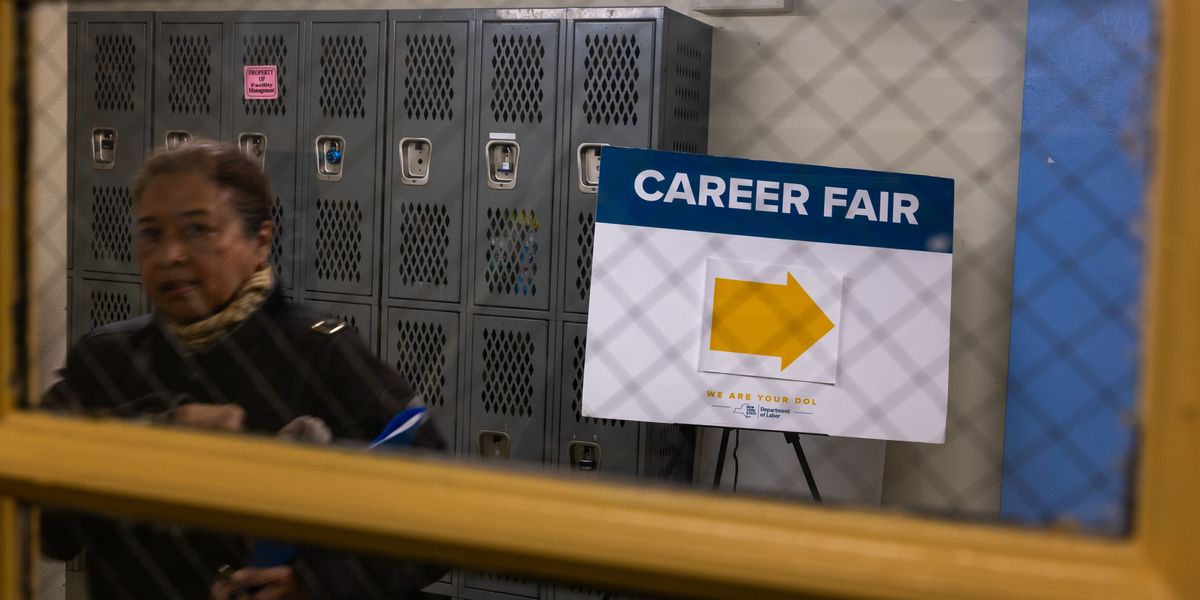
Hiring fell to 4.8 million in February (about 400,000 fewer hires than Feb 2025) and the JOLTS hiring rate dropped to 3.1%, the lowest since April 2020. Separately, BLS payrolls data showed a net loss of 92,000 jobs in February. Economists warn the labor market was already weak entering the Iran war, which has since destabilized energy markets and raised fuel prices, increasing downside risk to hospitality and construction and potential for layoffs. Commentators also link a net decline in jobs since April 2025 to global tariffs, amplifying downside cyclical risks.
The intersection of a cooling labor market and a sudden geopolitical commodity shock creates a classic bifurcated shock: demand softening that erodes revenue growth and wage pressure alleviation on one hand, and input-cost inflation on the other. That combination amplifies margin dispersion — firms with pricing power and commodity exposure capture windfalls, while labor- and footfall-dependent businesses see both top-line and order-book contraction.
Tariff-driven supply-chain reconfiguration is a slow-burn amplifier: in the short run firms face higher input prices and procurement friction; over 6–24 months some producers will onshore activity and capture gross-margin upside, but losers will include export-dependent OEMs and retailers facing compressed gross margins. Construction and hospitality sectors are especially exposed to a double-hit (weaker hiring + higher diesel/gas costs) which will flow through to REIT cashflows, contractor revenues, and building-material demand.
Near-term catalysts cluster by time horizon: days-to-weeks — oil-price moves tied to conflict headlines and inventory releases; months — payroll and hiring trends that translate into consumer spending and capex revisions; quarters — corporate guidance resets and government policy responses (tariff adjustments, SPR releases, subsidy/defense spending). A successful de-escalation or coordinated SPR release materially reduces tail risk; persistent conflict + tariff stickiness pushes toward stagflation and credit stress in cyclical small caps.
AI-powered research, real-time alerts, and portfolio analytics for institutional investors.
Overall Sentiment
strongly negative
Sentiment Score
-0.65
