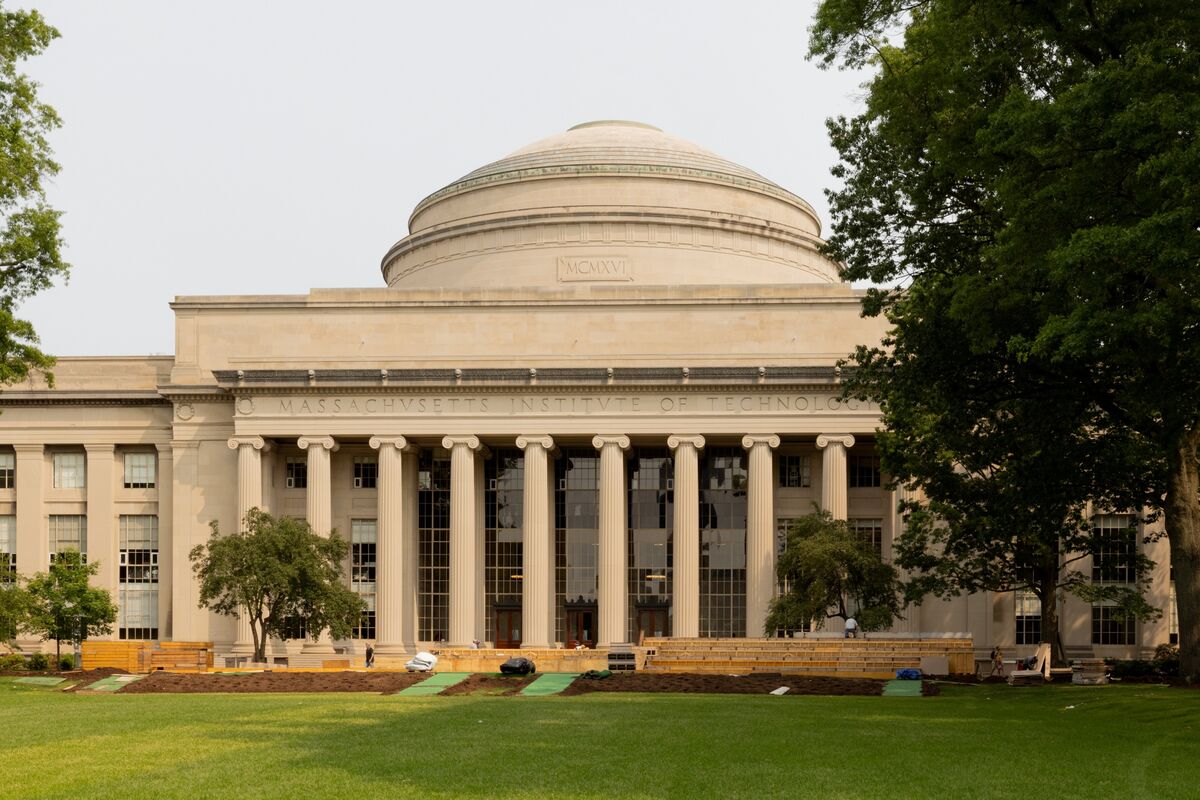
Kendall Square, Cambridge, a prominent biopharmaceutical hub adjacent to MIT, is experiencing a significant downturn in its real estate market, with millions of square feet of laboratory and office space currently available. This slump in a historically robust biotech innovation center indicates a notable shift in demand or oversupply, potentially impacting property valuations and future development in the sector.
The commercial real estate market in Kendall Square, Cambridge, a premier global hub for biopharmaceutical innovation, is undergoing a significant downturn. A glut of inventory, described as 'millions of square feet of available laboratory and office space,' indicates a material imbalance between supply and demand. This situation marks a notable reversal for a submarket historically characterized by high demand and premium valuations, driven by its proximity to MIT and a dense concentration of biotech firms. The slump suggests a potential oversupply from development, a contraction in demand from the biotech sector, or both. This oversupply could exert downward pressure on rental rates and property valuations, signaling potential financial headwinds for the life sciences industry, such as tighter funding conditions that may be forcing companies to curb expansion plans. The strongly negative sentiment score (-0.6) further validates the severity of this market shift.
AI-powered research, real-time alerts, and portfolio analytics for institutional investors.
Request DemoOverall Sentiment
strongly negative
Sentiment Score
-0.60
