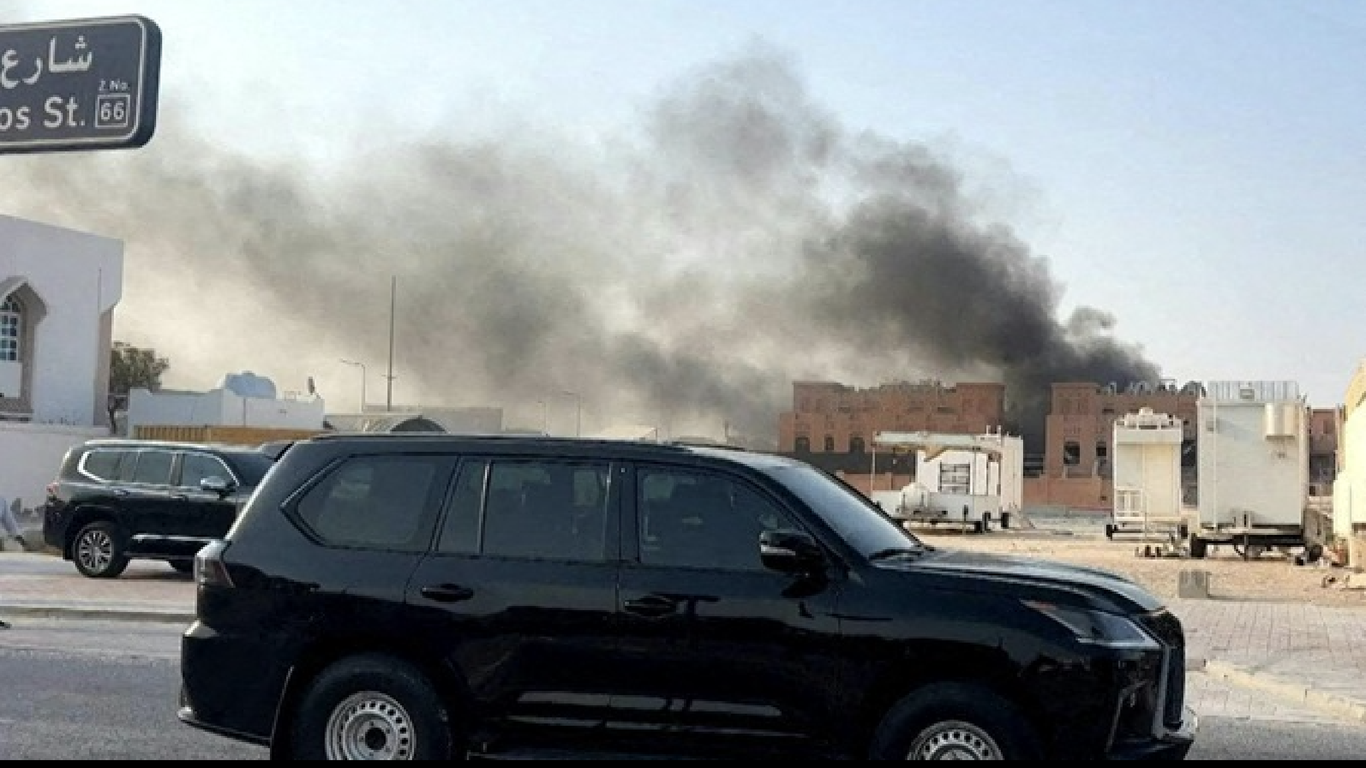
Israel conducted an unprecedented airstrike in Doha, Qatar, targeting Hamas leadership during critical U.S.-led ceasefire negotiations. The strike, which Israel claimed full responsibility for and notified the U.S. only post-launch, reportedly killed a Qatari security force member and five Hamas members, including a negotiator's son, though top leaders survived. This operation, authorized by Prime Minister Netanyahu, occurred while Hamas was reviewing a U.S. ceasefire proposal, significantly jeopardizing delicate mediation efforts and escalating regional geopolitical risk by extending the conflict into a key mediator's territory.
The Israeli airstrike in Doha represents a significant geopolitical escalation, marking the first-ever strike within Qatar, a key U.S. ally and the primary mediator in hostage and ceasefire negotiations. The timing is critical, as the attack occurred while Hamas leaders were convened to discuss a U.S.-backed proposal, thereby severely jeopardizing delicate diplomatic efforts. While Israel claimed full responsibility for the "wholly independent Israeli operation," the late notification to the U.S. — after missiles were launched — underscores a potential strain on a key alliance and limits Washington's ability to de-escalate. The strike's outcome appears mixed; it failed to eliminate the targeted top Hamas leadership but resulted in the death of a Qatari security official and five Hamas members, drawing a sharp condemnation from Qatar as a "reckless" violation of international law. This event introduces substantial uncertainty into the region, as reflected by the high market impact score of 0.75 and strongly negative sentiment. The combination of a failed primary objective and significant diplomatic fallout with a crucial intermediary suggests a heightened risk premium for regional stability and a prolonged conflict.
AI-powered research, real-time alerts, and portfolio analytics for institutional investors.
Overall Sentiment
strongly negative
Sentiment Score
-0.75
