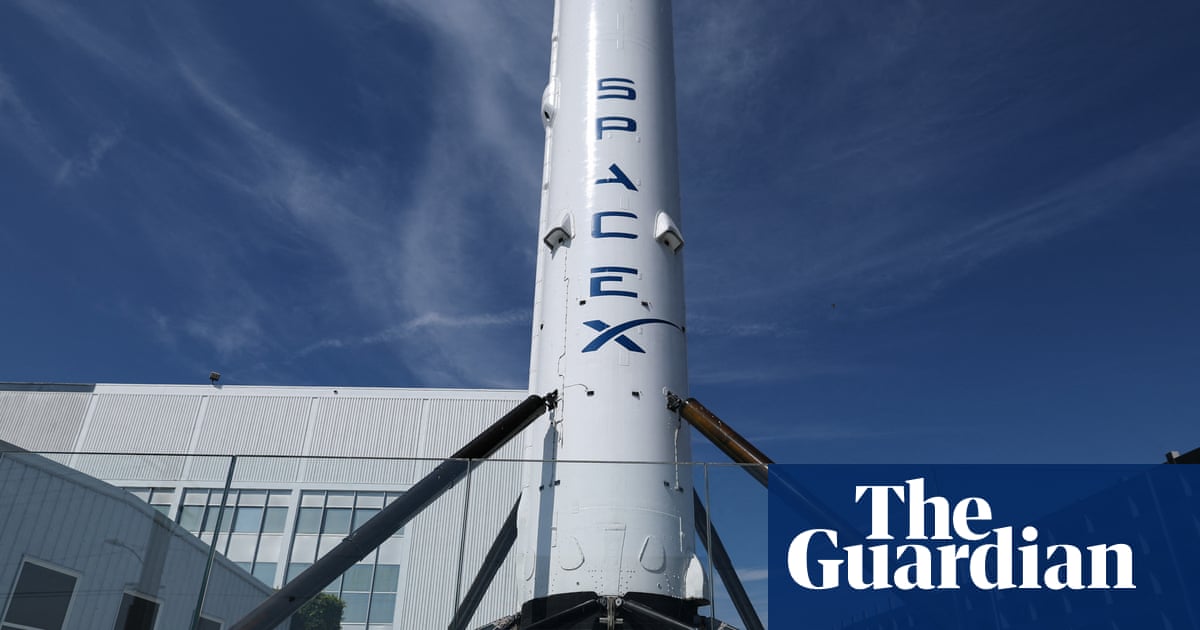
SpaceX has confidentially filed for a US IPO and could target a valuation up to $1.75 trillion, with a possible listing as soon as June; SEC review will precede public disclosures. Starlink is estimated to generate over half of SpaceX's revenue and the company holds large US government defense/launch contracts, increasing strategic and revenue significance. SpaceX acquired xAI (valued at $250bn in the deal) and is working with major banks including Barclays on the IPO; details on share pricing and financials will be released after regulatory review. The filing is a major market event for tech, defense and AI investors and may reshape Musk's asset liquidity and geopolitical influence if completed.
This IPO is a liquidity and attention magnet more than a pure corporate event: banks and allocators will rotate real capital and underwriting risk into the offering window, creating measurable bid for underwriting banks and transient demand-supply dislocations across late-stage tech / AI allocations. Expect 4–8 weeks of disproportionate flows into IPO desks and bookrunners, followed by a calmer phase where lockups and unit economics dominate price discovery.
For Musk and Tesla the key second-order channel is balance-sheet & incentive engineering rather than product synergies. An IPO that meaningfully monetizes illiquid equity for Musk reduces his marginal need to sell TSLA—but it also increases his optionality to reallocate capital and managerial attention to other ventures; either outcome can widen TSLA’s trading range. Additionally, SpaceX’s push into orbital datacenters and satellite comms intensifies competition for advanced chips, RF components and launch-stage suppliers, pressuring smaller aerospace suppliers while benefiting vertically integrated suppliers.
Geopolitical/contract risks carry outsized asymmetric outcomes: military dependence on satellite services raises the probability of restrictive export controls, premium pricing caps, or mandated nationalized alternatives — any of which would chop valuation multiples sharply. Near-term catalysts that can move public comps are the S-1 disclosures (months), IPO pricing & allocation (days around listing) and standard 6–12 month lockup expiries.
Consensus is treating this as a near-term “win” for banks and Musk; the underappreciated risk is disclosure-driven de-rating. If margins, capex or related-party flows in the S-1 disappoint, expect re-ratings of 30–50% on headline comps and a rotation out of high-valuation AI/infra names into defensives.
AI-powered research, real-time alerts, and portfolio analytics for institutional investors.
Request DemoOverall Sentiment
moderately positive
Sentiment Score
0.40
Ticker Sentiment
