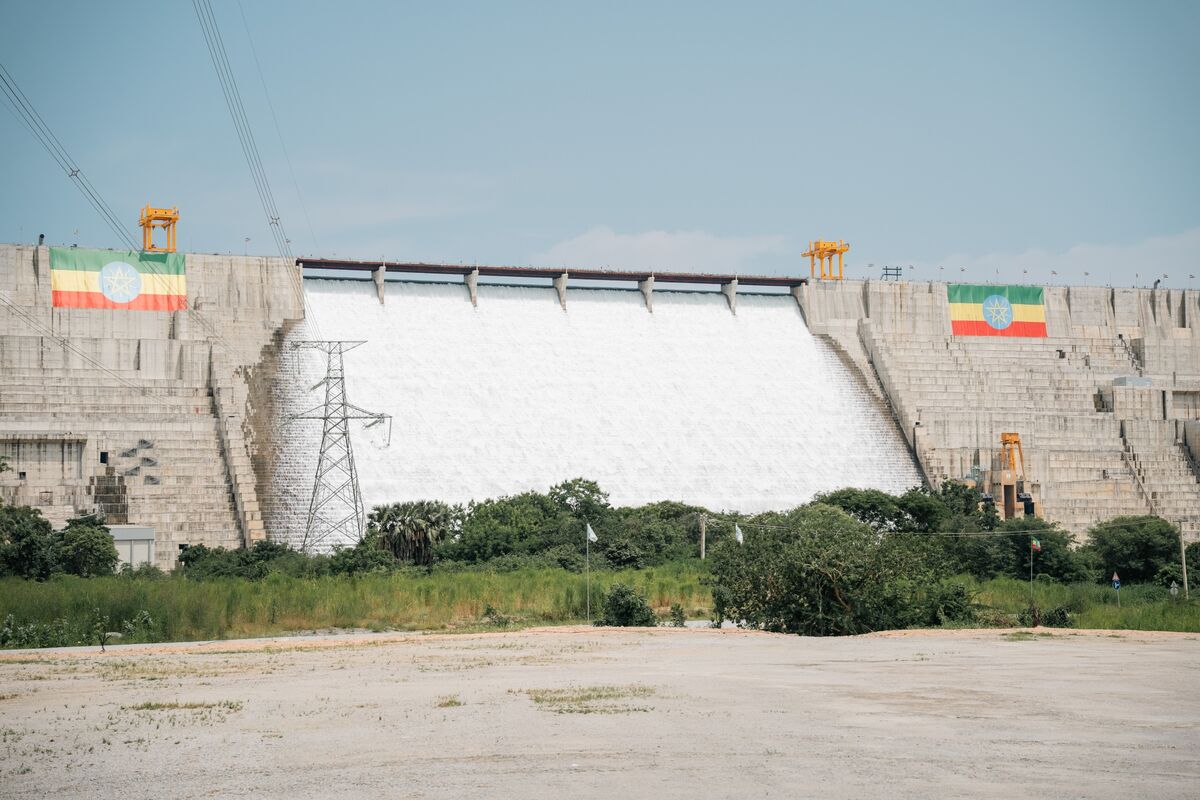
Power Construction Corp. of China (Power China), a Beijing-based state-owned engineering and construction firm, plans to continue pursuing African projects despite a series of sovereign defaults and says it is changing its approach to doing business there. The company’s existing African portfolio includes a major Ethiopian hydropower dam and multiple solar and wind plants, signaling continued Chinese infrastructure exposure to African sovereign credit risk and potential ongoing contract and equipment demand in the region.
Market structure: PowerChina's intent to press into Africa favors Chinese SOEs, Chinese state banks and global commodity suppliers (steel, copper) that feed large EPC projects; African sovereign bondholders, Western EPC firms and local fiscal positions are the losers. Expect Chinese contractors to gain pricing power on labor/material bundling and to push payment terms toward RMB/loan-finance structures over the next 3–18 months, tightening margins for competitors.
Risk assessment: Tail risks include a cascade of further African sovereign defaults forcing project stoppages and write-offs (low-probability, high-impact over 6–24 months) or a Chinese policy pivot withdrawing implicit guarantees (binary catalyst). Hidden dependencies: exposure of China Development Bank/Exim to project loans and local FX convertibility; immediate market sensitivity will show up in African USD sovereign spreads and ZAR/NGN vol within days–weeks.
Trade implications: Positioning should favor Chinese industrial/EPC equity exposure and commodity cyclicals while hedging African sovereign credit; expect EM hard-currency bond spreads (EMB) to widen 50–200bp if another default occurs in 90 days. Use 3–6 month option structures to monetize short-term vol in African credit and to lever commodity upside; rotate 1–3% portfolio weight into miners/metal ETFs and 2–3% into China A-share industrial ETFs.
Contrarian angles: Consensus underestimates state backstopping — equities of Chinese contractors may outperform EM sovereign credit (mispriced risk-transmission). Historical parallel: post-2015 Belt & Road push where contractors captured volume while sovereign spreads widened; unintended risk is reputational/political backlash in Africa leading to stricter local-content rules and margin erosion over 12–36 months.
AI-powered research, real-time alerts, and portfolio analytics for institutional investors.
Request DemoOverall Sentiment
neutral
Sentiment Score
0.10
