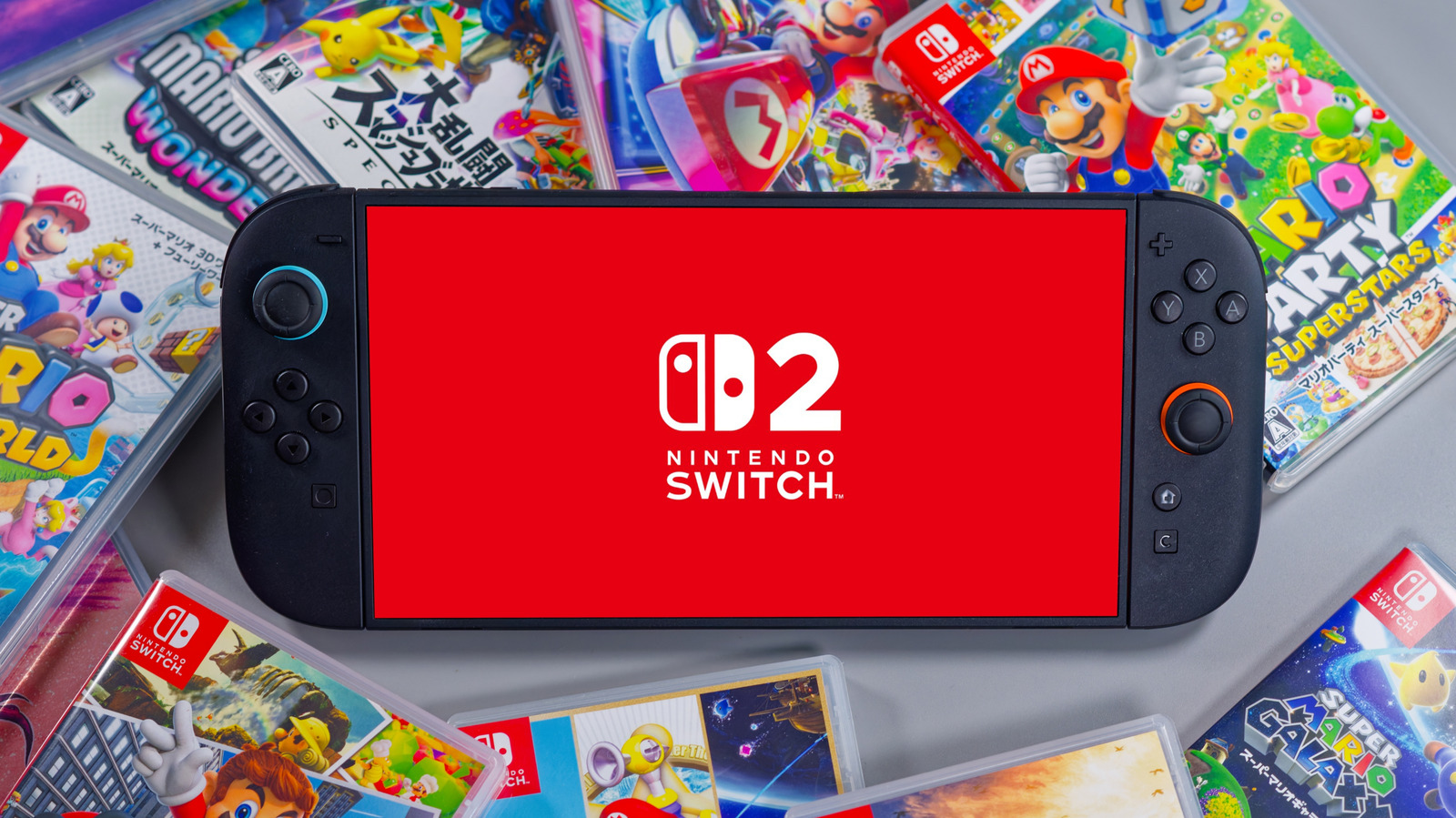
Nintendo's Switch 2 launched at $449 on June 5, 2025, but reports and Niko Partners predict a ~$50 price increase as the device requires 12GB of LPDDR5 RAM amid an AI-driven 'RAMmagedon'. Nintendo shares fell ~10% in early Feb 2026 after missing quarterly revenue projections despite revenue growth of 86%, and management flagged profitability risks if RAM prices keep rising; the early termination of the $499 Switch 2 + Mario Kart bundle effectively raised prices by about $30 for most buyers. Sony may delay PlayStation 6 to 2028–2029 and Valve's upcoming Steam Machine could face uncompetitive pricing for the same supply-driven reasons.
The immediate supply shock in high-density DRAM is propagating beyond hardware SKUs into OEM margin profiles and go-to-market strategy: manufacturers will increasingly choose between preserving ASPs (and sacrificing unit growth) or protecting volumes by redesigning BOMs or deferring launches. That binary choice creates a multi-quarter window where memory suppliers can capture outsized pricing power while hardware OEMs face lumpy revenue and margin volatility tied to inventory digestion and SKU mix shifts.
Second-order winners include semiconductor equipment vendors and datacenter-focused memory suppliers as OEMs reallocate constrained bits to higher-margin servers and premium devices; losers are mid-cycle consumer hardware launches dependent on the mobile/LPDDR pool and retailers carrying promotional inventory. The constrained-capacity dynamic also amplifies optionality: OEMs can monetize fewer units at higher software/ARPU per install (subscriptions, microtransactions), which cushions gross profit even as unit sales slow — that shifts where real economic value accumulates in the ecosystem.
Key catalysts to watch are memory ASPs and fab utilization commentary over the next 1-3 quarters, then capacity additions and yield improvements over 6-24 months that could flip the market. Policy moves (export restrictions or subsidy announcements) and earnings guidance from top DRAM players present binary reversal triggers; absent a visible new wafer capacity wave or sudden demand collapse, pricing pressure is likely to persist through 2H26 and into 2027, keeping volatility elevated around consumer-hardware earnings windows.
AI-powered research, real-time alerts, and portfolio analytics for institutional investors.
Request DemoOverall Sentiment
moderately negative
Sentiment Score
-0.55
Ticker Sentiment
