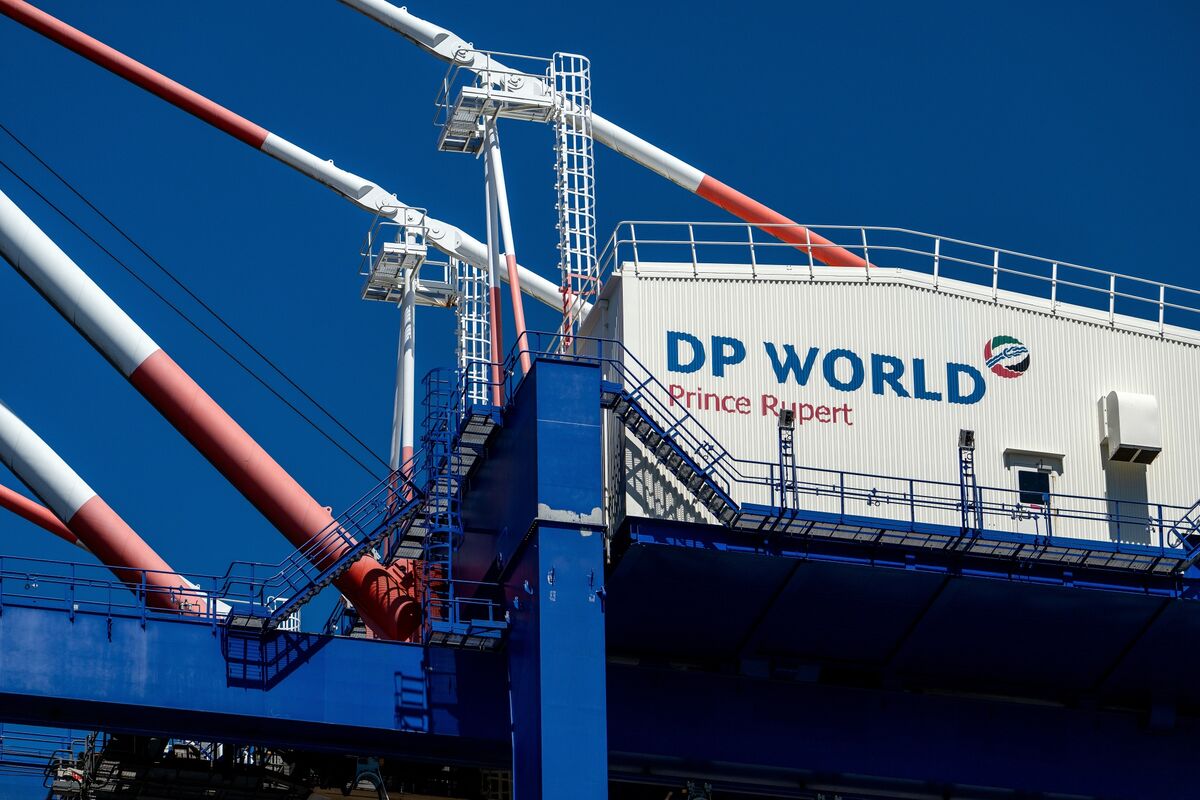
DP World Ltd.'s managing director for sub‑Saharan Africa, Mohammed Akoojee, said a US‑China trade truce would likely lower logistics costs because the trade war has pushed up freight rates and duties; he told Bloomberg the easing of tensions “will definitely be positive for the cost of logistics.” Akoojee also noted that prior trade frictions created opportunities for growth in regions such as Africa as supply chains diversified to meet global demand for goods and manufacturing. The comments signal that improved US‑China relations could reduce freight and duty pressures and reshape regional logistics and trade‑diversification dynamics.
Mohammed Akoojee, DP World Ltd.'s managing director for sub-Saharan Africa, said a US-China trade truce "will definitely be positive for the cost of logistics," noting that the trade war has raised freight rates and duties and therefore increased overall logistics costs. His comments tie directly to observable cost components—freight rates and tariffs—that have acted as a drag on efficient global trade flows during heightened US-China tensions.
Akoojee also highlighted that prior trade frictions prompted supply-chain diversification and created growth opportunities in regions such as Africa as global manufacturers and shippers sought alternative hubs to meet demand. Easing tensions therefore has a two-fold implication: compressing freight-rate and duty-driven revenue tails for some logistics players while potentially rebalancing cargo flows away from newer regional beneficiaries.
Market signals classify the tone as mildly positive for logistics and trade-policy-sensitive sectors, underscoring that port operators and freight carriers remain highly sensitive to shifts in trade policy. Investors should therefore track freight-rate indices, tariff developments and throughput trends at emerging-market ports to gauge whether the normalization is transient or structural.
AI-powered research, real-time alerts, and portfolio analytics for institutional investors.
Request DemoOverall Sentiment
mildly positive
Sentiment Score
0.28
