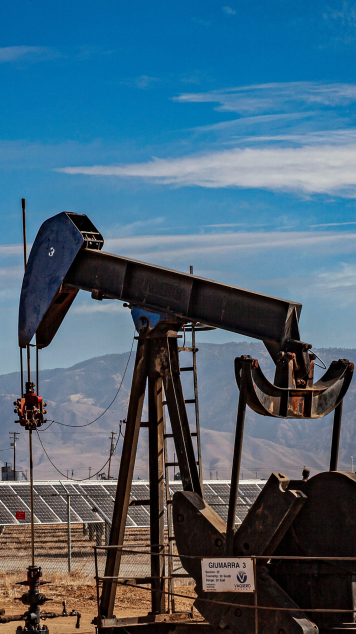
The article contends that the long-standing 'peak oil' theory, which predicted an imminent and irreversible decline in global crude production, has consistently proven to be a false premise. It highlights how continuous technological innovation, such as fracking and deepwater drilling, coupled with new discoveries, has repeatedly expanded supply capacity beyond expectations, thereby pushing back any theoretical peak. This historical pattern underscores the dynamic nature of energy markets and the significant impact of innovation on resource availability, challenging scarcity-driven investment theses and influencing long-term energy strategy.
The long-standing theory of 'peak oil,' which posits an imminent and permanent decline in global crude production, has been consistently invalidated by market realities. Historical evidence demonstrates that technological innovation, including advancements such as fracking and deepwater drilling, has repeatedly expanded global supply capacity beyond consensus expectations. This pattern of new discoveries and enhanced extraction techniques has systematically pushed back any theoretical production peak, challenging the fundamental premise of scarcity-driven investment theses. The key insight is that energy markets are highly dynamic, with resource availability being a function of both geology and technology, a factor that has significant implications for long-term energy strategy and asset valuation.
AI-powered research, real-time alerts, and portfolio analytics for institutional investors.
Request DemoOverall Sentiment
neutral
Sentiment Score
0.00
