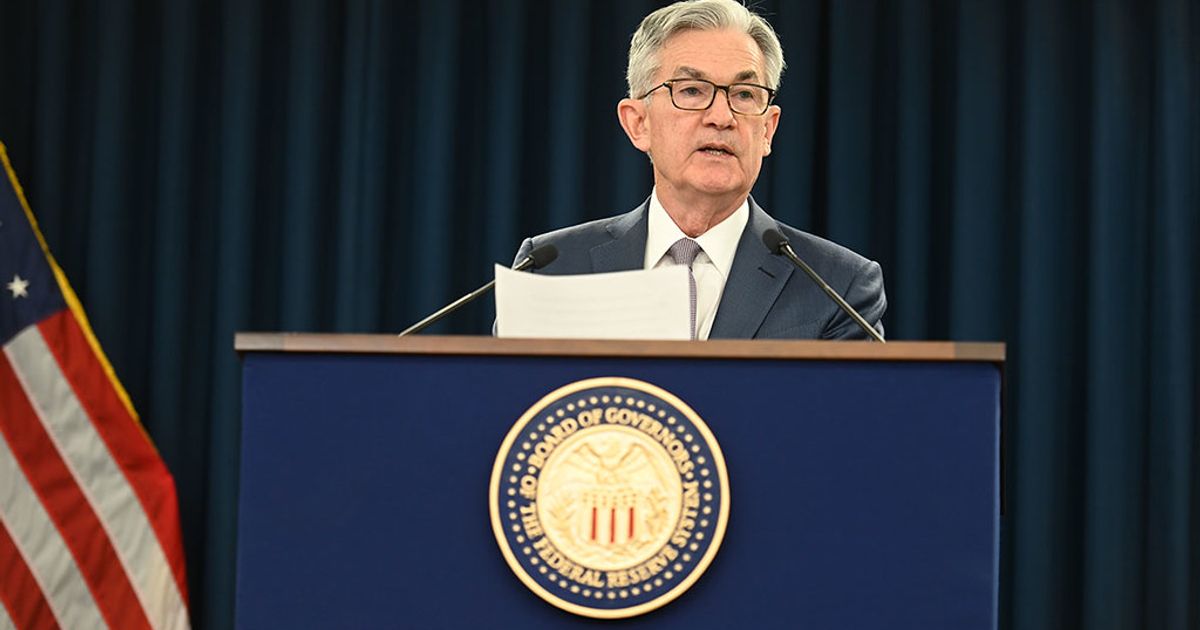
The Fed is widely expected to hold the policy rate at 3.50%–3.75% at Wednesday’s decision, with markets pricing under a 3% chance of an immediate cut; policymakers have already delivered 75 basis points of cuts since September. Recent US data complicates easing: unemployment is 4.4%, the Atlanta Fed’s GDPNow tracks Q4 growth above 5.4%, and headline/core CPI run at about 2.7%/2.6%, so Chair Powell is likely to emphasize data dependence and flexibility. Market participants and major banks (Deutsche Bank, LPL) expect cuts later in the year (Deutsche Bank flags a September cut; LPL sees at least two in H2), while analysts note political and legal scrutiny of the Fed (DOJ subpoenas, questions around Governor Lisa Cook and Powell’s May term end) that may color communications.
Market structure: A Fed hold with markets still penciling in cuts later this year benefits rate-sensitive financial intermediaries (banks, broker-dealers) and cyclicals tied to economic growth while penalizing long-duration growth, REITs and utilities. Expect a flatter near-term curve if long yields price in H2 cuts; 2s10s could compress by ~20–40bp over months if GDP stays >3% and CPI remains ~2.6–2.7%. FX/commodities: a later cut narrative should pressure the USD into H2 (5–8% vs. carry currencies) and keep oil supported while gold trades as a political-risk hedge.
Risk assessment: Tail risks include a politicized Federal Reserve undermining credibility (term premia spike, 10y >5% scenario) or a faster-than-expected AI-driven productivity shock that drops inflation quickly and forces early cuts (2–4 cuts by Q4). Immediate (days): muted reaction; short-term (weeks–months): positioning shifts into banks/energy; long-term (quarters): valuation rerating if cuts are delayed — equity multiples could compress 10–15% if rates stay higher. Hidden dependency: equity upside depends on market’s belief in cuts; a single strong CPI/PAYROLLs print can reverse positioning quickly.
Trade implications: Favor overweight financials and selective brokers (LPLA) and energy, underweight REITs/utilities and long-duration tech. Implement pair trades (long regional banks KRE, short QQQ) and stage long-duration Treasury exposure into H2 if the Fed signals cuts by July — target 10y yield triggers of >=3.8% to deploy. Use options: buy protective put spreads on QQQ/SPY (3-month) to size risk-cost efficiently.
Contrarian angles: Consensus expects cuts — that is priced into equities; the market underestimates political/legal shocks to the Fed which would widen term premia and hurt growth assets. Reaction may be underdone on downside: if unemployment holds at 4.4% and GDP tracks >5% (Atlanta Fed) the Fed may delay cuts past Sep, forcing a 5–12% equity reprice. Historically (late‑2018), delayed easing caused fast de-risking; position sizing and conditional triggers are therefore critical.
AI-powered research, real-time alerts, and portfolio analytics for institutional investors.
Request DemoOverall Sentiment
neutral
Sentiment Score
0.05
Ticker Sentiment
