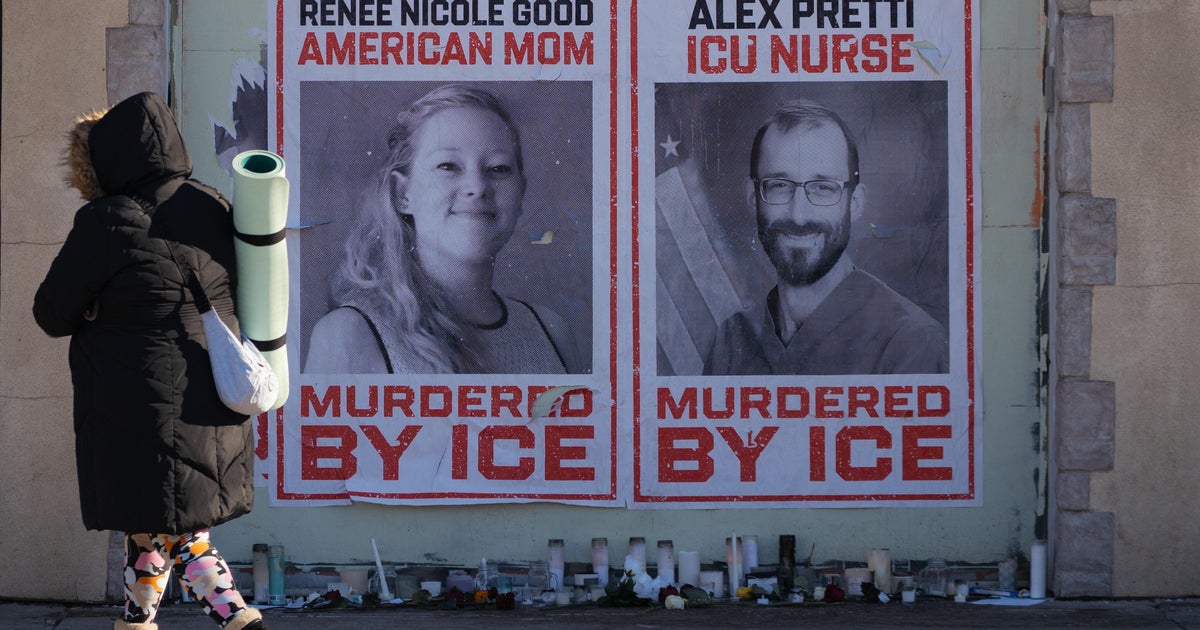
A planned nationwide strike and renewed protests against ICE operations, including daily demonstrations at Minneapolis' Bishop Henry Whipple Federal Building, have prompted local business closures and heightened political friction; Don Lemon was arrested after entering a St. Paul church where a local ICE field office leader was present. A reported ICE memo orders agents not to engage with protesters, Minnesota officials dispute claims about jail notification agreements with ICE, and the Justice/administration response remains politically charged — President Trump publicly criticized a protester seen confronting federal officers. The Congressional Budget Office estimates last year’s federal troop deployments to six U.S. cities cost roughly $496 million through December, a fiscal detail that underscores the budgetary impact of the federal response but overall the story poses limited direct market risk.
Market structure: Short, visible disruption to consumer-facing businesses (local retail, restaurants, small REITs) and reputational stress for municipal services in affected cities; winners are government contractors and analytics/security vendors that can sell tech, logistics or personnel to DHS/ICE (e.g., Leidos, CACI, Palantir). Pricing power shifts are modest but persistent: each additional federal deployment increases recurring O&M contract dollars by tens-to-hundreds of millions annually, favoring mid-cap government IT/defense incumbents.
Risk assessment: Tail risks include violent escalation triggering citywide shutdowns or federal budget reallocation (low-probability, high-impact) that could dent regional GDP by 0.1-0.4% for days and spike local insurance claims; immediate (days) impacts are foot-traffic and revenue misses, short-term (weeks) legal/litigation headlines may drive volatility, long-term (6–18 months) outcomes hinge on federal policy shifts and contract awards. Hidden dependencies: municipal litigation outcomes and DOJ charging decisions will determine sustained federal footprint and procurement timing.
Trade implications: Tactical trades should favor short-duration downside protection on exposed retail/mall names and selective long exposure to government IT/analytics/contractors ahead of potential contract re-runs; expect elevated event-driven IV for regional retail REITs and muted for large defense primes. Key catalysts: DHS memos, CBO budget notes, state AG filings and federal indictments over the next 30–90 days.
Contrarian angles: Consensus assumes strike momentum will dent national consumption — that is likely overestimated; participation historically <1% nationally so macro retail impact is shallow, making short-term retail shorts vulnerable if noise fades. Conversely the market may be underpricing multi-quarter contract flows into mid-tier government tech names if administrations sustain operations; this is a 3–12 month structural play, not a 48-hour headline trade.
AI-powered research, real-time alerts, and portfolio analytics for institutional investors.
Request DemoOverall Sentiment
mildly negative
Sentiment Score
-0.25
