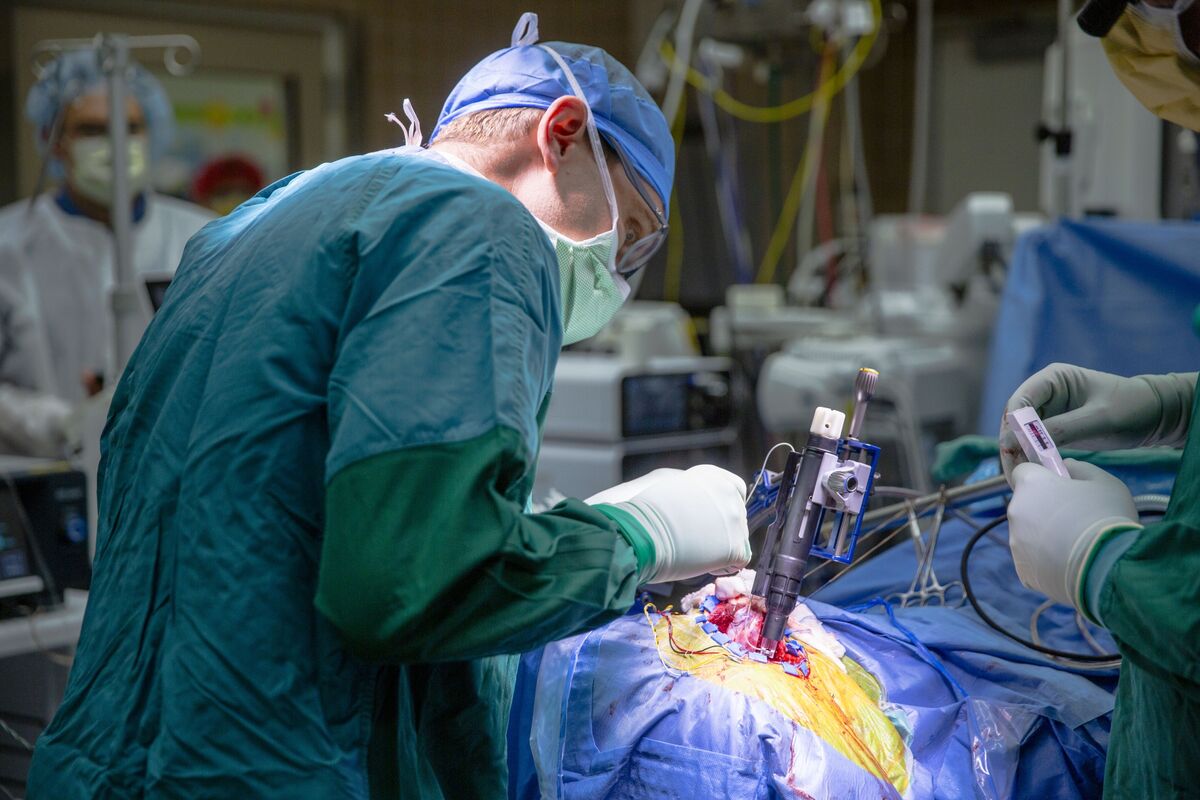
Paradromics Inc., a competitor to Neuralink, has conducted its first human trial of its brain implant technology. The company's chip, smaller than a penny, was temporarily implanted in a patient undergoing epilepsy surgery to record electrical signals from individual neurons, marking a significant step in the competitive field of brain-computer interfaces.
Paradromics Inc., a competitor to Elon Musk’s Neuralink in the brain-computer interface (BCI) sector, has successfully conducted its first human trial, marking a notable advancement. The test involved implanting a chip, smaller than a penny, onto an epilepsy patient's brain for a brief period of 10 to 15 minutes during surgery, utilizing micro-needles, half the diameter of a human hair, to record electrical signals from individual neurons. This event is perceived with moderate optimism (sentiment score: 0.5) and signifies progress in the "Technology & Innovation" and "Healthcare & Biotech" themes. While Paradromics is a private company and this initial test has a low immediate market impact score of 0.3, it represents a critical validation step for its technology and contributes to the broader development momentum within the highly competitive BCI field.
AI-powered research, real-time alerts, and portfolio analytics for institutional investors.
Request DemoOverall Sentiment
moderately positive
Sentiment Score
0.50
