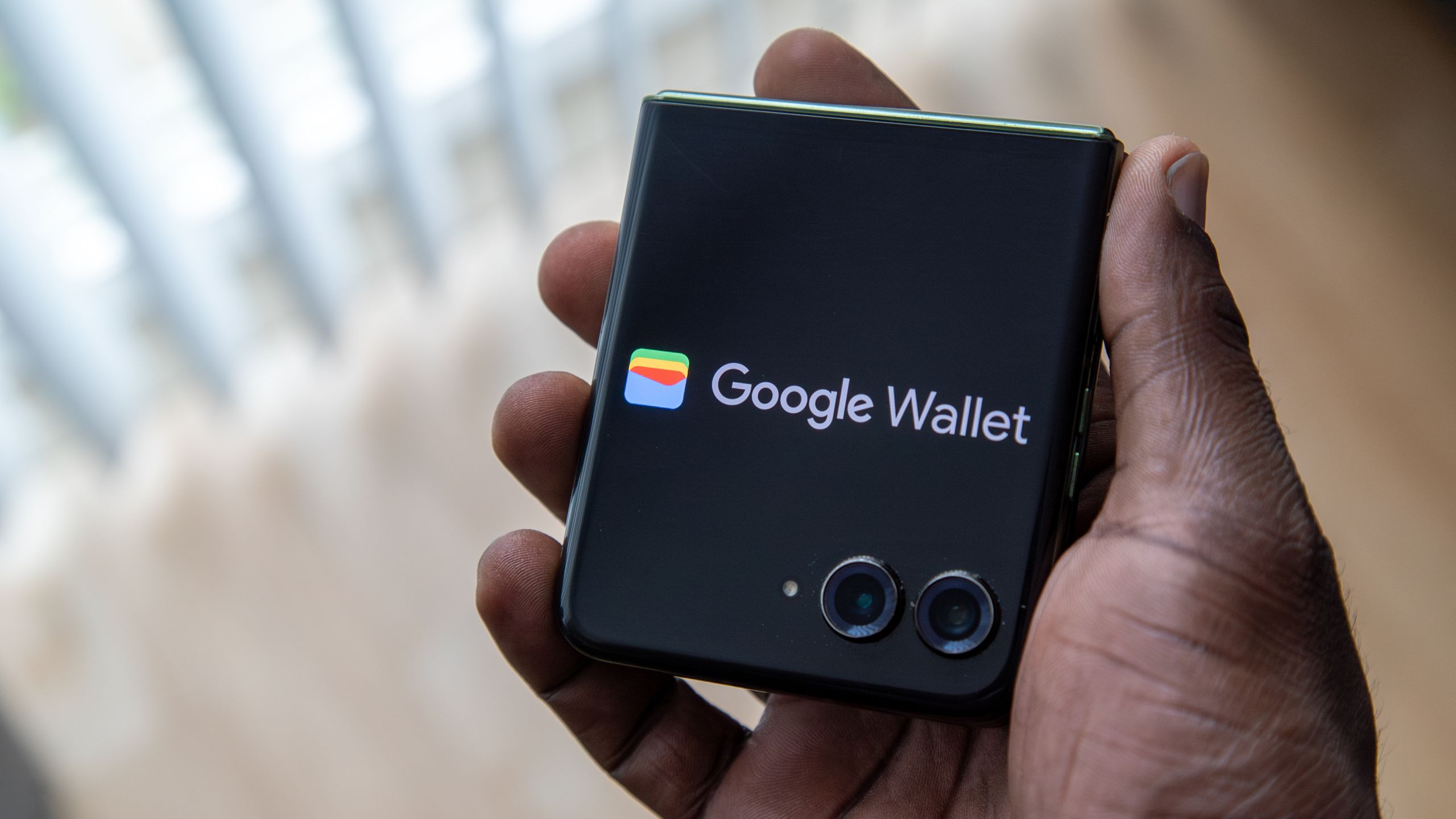
Alphabet's Google is reportedly testing an update to Google Wallet on Android that would bring a unified transaction view mirroring its web interface, surfacing purchases made with virtual card numbers and across other devices (including Wear OS) and adding a searchable transactions function by amount, merchant or date. The change, spotted in a Google Play Services build, has not been rolled out and lacks a timetable; recent Wallet enhancements include context-aware lock-screen passes and Android 16 Live Updates for transit. For investors, the update is a modest UX improvement that could boost engagement and stickiness of Google’s payments ecosystem but is unlikely to materially affect near-term financials.
Market structure: Google (GOOGL/GOOG) is the primary beneficiary — tighter Wallet integration can increase transaction data capture and lock-in among Android’s ~40–50% US user base (70%+ global Android share), likely stealing engagement from standalone fintech apps (PYPL, SQ) and bank apps while modestly boosting volume for card networks (V, MA). Expect a 2–6% reallocation of “wallet engagement” from third‑party apps to Google over 12–24 months, tightening Google’s pricing/advertising leverage for targeted offers.
Risk assessment: Key tail risks are regulatory scrutiny (EU/US privacy/antitrust fines in the $0.5–5bn range), a major data breach, or issuer pullbacks that could force feature rollback; likelihood rises if Google monetizes transaction data aggressively. Near-term (days–weeks) impact is immaterial; short‑term (3–6 months) depends on rollout & partner deals; long‑term (1–3 years) is material for payments market structure and ad revenues.
Trade implications: Tactical conviction favors being long GOOGL (12‑month horizon) and selectively underweighting pure-play digital wallets (PYPL, SQ). Use directional equity for core exposure (1–2% portfolio) and options for leverage/insurance: buy 12‑month GOOGL calls to capture adoption upside while buying 3–6 month puts on PYPL as downside protection if market rotates.
Contrarian angles: Consensus underestimates monetization risk and regulatory pushback — adoption may be slow in the US (Android share ~40%) but follow Apple Pay’s path: slow start, durable returns. Unintended consequences include merchant resistance or issuer carve-outs; hedge with long MA/V exposure (merchant volumes benefit) and set clear stop‑loss triggers tied to regulatory actions within 60–90 days.
AI-powered research, real-time alerts, and portfolio analytics for institutional investors.
Request DemoOverall Sentiment
mildly positive
Sentiment Score
0.25
Ticker Sentiment
