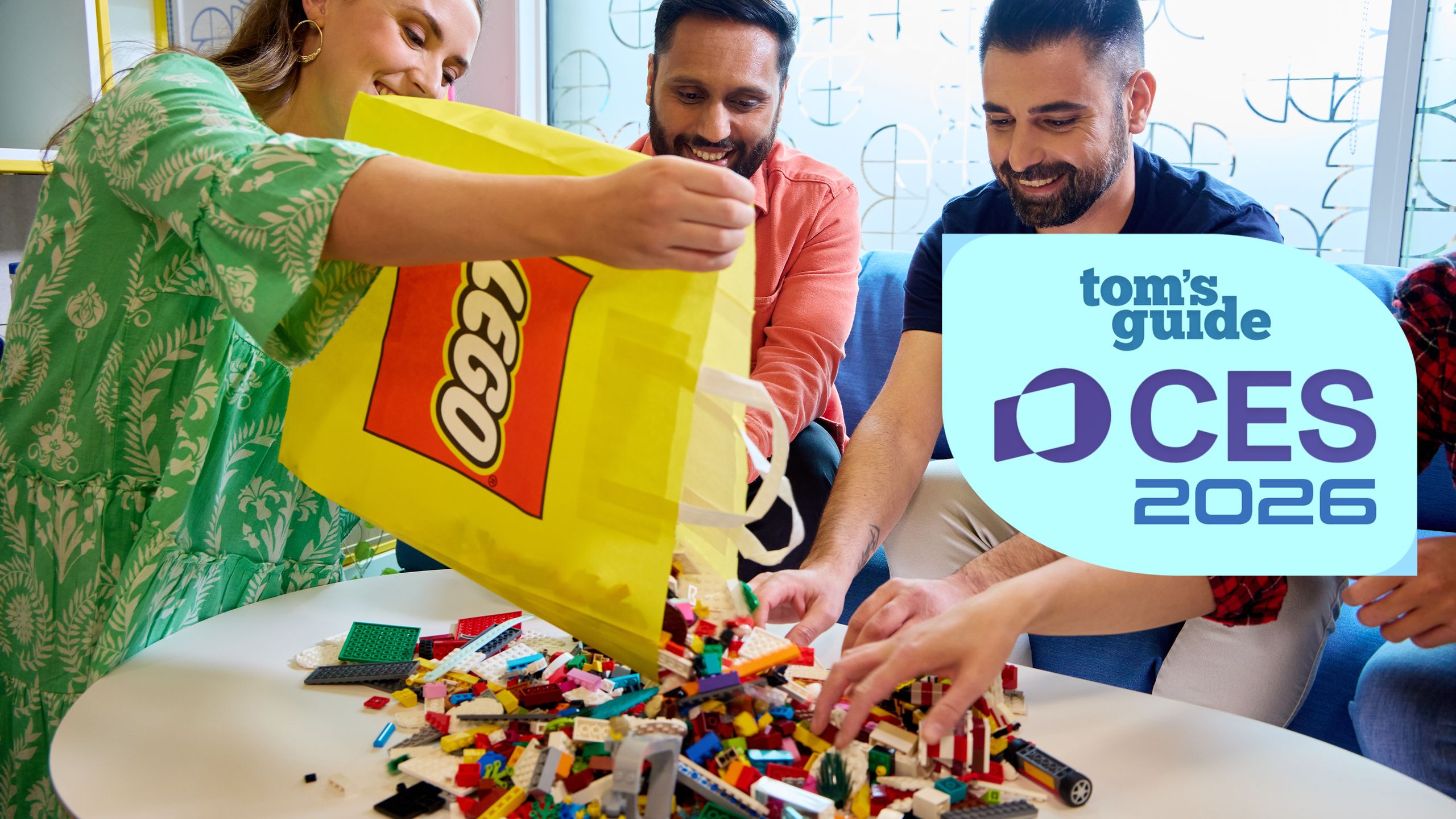
Lego will deliver its first-ever CES keynote on January 5, 2026, and is expected to spotlight expansions beyond traditional sets into AR/VR, gaming and an anticipated Smart Play system that uses sensors and scannable tags, with the first sets slated for March 2026. The company also continues to push ESG targets — aiming to replace petroleum-based bricks with renewable plastic and cut carbon emissions by 37% by 2032 — signaling strategic moves to broaden digital revenue streams and brand partnerships, though these announcements are unlikely to have immediate market-moving impact.
Market structure: Lego’s CES push accelerates its pivot from pure-toy to platformed, higher-margin digital + physical experiences. Direct beneficiaries in listed markets are SONY (games/IP + platform tie‑ins) and niche semiconductor/microcontroller suppliers — NVDA/AMD/INTC see marginal upside but not structural demand shocks. Traditional toy names (MAT, HAS) and low-innovation retailers face share erosion if Lego converts play into subscriptions; long-term crude feedstock demand for commodity plastics may face a low-single-digit structural drag toward 2032.
Risk assessment: Key tail risks are regulatory/privacy (COPPA/GDPR fines of 1–5% of revenue risk for partners handling child data), product flop or poor UX that reverses hype, and supply-chain bottlenecks for sensors/ICs. Effects are staged: immediate (CES-driven volatility, days), short-term (product launch cadence to March 2026, weeks–months), long-term (revenue mix and 2032 ESG transition, years). Hidden dependencies include app-store economics, Sony/IP licensing terms and cloud partners; catalysts: CES keynote (Jan 5), March product launch, quarterly results that disclose ARR or subscription metrics.
Trade implications: Tactical overweight SONY (idiosyncratic upside from game/IP synergy) and selective exposure to semiconductor suppliers of edge sensors; underweight MAT/HAS as short-term share losers. Use option call spreads to express upside into March 2026 for SONY to cap cost; avoid outright NVDA long as semiconductor benefit is diffuse and already priced. Rotate 1–3% NAV from generic consumer staples into Consumer Discretionary/gaming and semiconductor supply chain names, re‑balancing after March launch signals.
Contrarian view: Market will likely over‑discount semiconductor demand and under‑appreciate recurring revenue potential from platformization — Lego could emulate Super Mario (multi-year tail) rather than Skylanders (flash-in-the-pan). Consensus may overreact to CES noise; position sizing should reflect binary product success (scale up to +50% position if Lego reports >$50m ARR/multiyear contract signings). Unintended risks (privacy backlash, higher price elasticity) argue for option hedges and conservative sizing.
AI-powered research, real-time alerts, and portfolio analytics for institutional investors.
Request DemoOverall Sentiment
mildly positive
Sentiment Score
0.25
Ticker Sentiment
