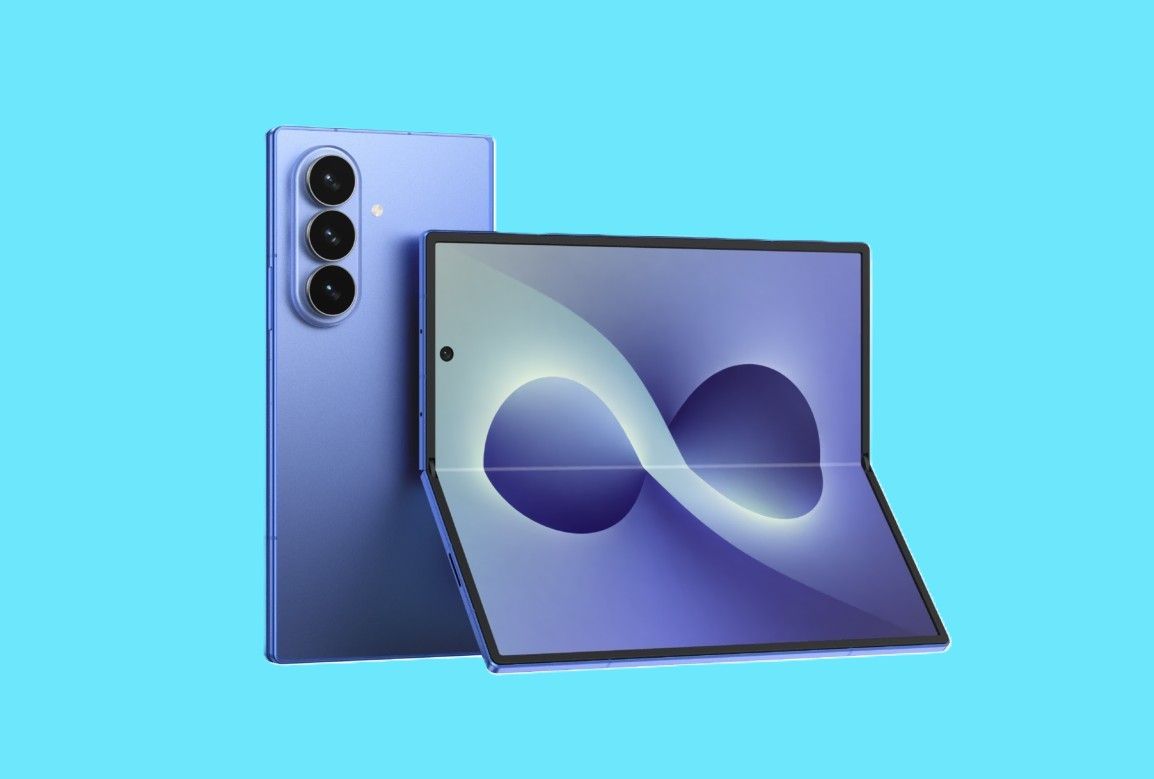
Leaked CAD-based renders and specs for Samsung's Galaxy Z Fold 8 indicate key upgrades: battery rising from 4,400 mAh to 5,000 mAh (+13.6%), charging increasing from 25W to 45W (+80%), a 200MP main camera plus 50MP ultrawide and 12MP 3x telephoto, and a Snapdragon 8 Elite Gen 5 chipset. Memory and storage tiers appear unchanged (12GB/16GB RAM; 256GB/512GB/1TB storage), and S Pen/digitizer support may return, slightly increasing thickness. Samsung is likely to launch in July–August with price TBD; supply-side risks (AI-driven memory shortage) and competitive pressure from a rumored iPhone Fold may keep pricing stable.
This leak and the surrounding reporting create a squeeze between product-level feature competition and component-level supply constraints that is easy to miss. If Samsung holds price while bulking up hardware (and possibly reintroducing a digitizer), margin per unit will compress, forcing the company to lean on volume, services, or parts consolidation — a dynamic that tends to reallocate component orders toward higher-margin variants or prioritized SKUs. Over the next 3–9 months expect Samsung to selectively allocate constrained DRAM/NAND to whichever SKU maximizes blended margin or supports a strategic halo product (Fold Wide vs Fold 8), producing lumpy demand for memory and potentially asymmetric inventory shocks at smaller suppliers.
Apple’s rumored fold entry materially raises the strategic stakes: Apple can afford a narrower-volume, higher-ASP launch that shifts premium buyer expectations and lets it extract a larger mix-shift toward accessories and service ARPU without following Samsung’s price dance. That makes AAPL a call on premiumization rather than just form factor — if Apple captures the imagination of high-end buyers, Samsung may concede share at the top end and double-down on mid-tier volume. Watch component shipment notices and Samsung’s SKU-level ASP commentary in 2H26 earnings; quick shifts there are early indicators of who cedes premium share.
Main tail risks are supply normalization (AI memory shortage resolving within 3–6 months), an Apple fold delay, or Samsung executing a profitable accessory/ecosystem play that offsets handset margin erosion. Any of those reverse the thesis quickly: memory oversupply would hammer MU/flash suppliers, an Apple delay would mute AAPL upside around the fold narrative, and Samsung pricing tactics could stabilize SSNLF share. Short-term price action will be driven by press leaks and pre-order signals (days–weeks), while structural reallocation of supply and margin plays out over quarters (3–12 months).
AI-powered research, real-time alerts, and portfolio analytics for institutional investors.
Request DemoOverall Sentiment
neutral
Sentiment Score
0.05
Ticker Sentiment
