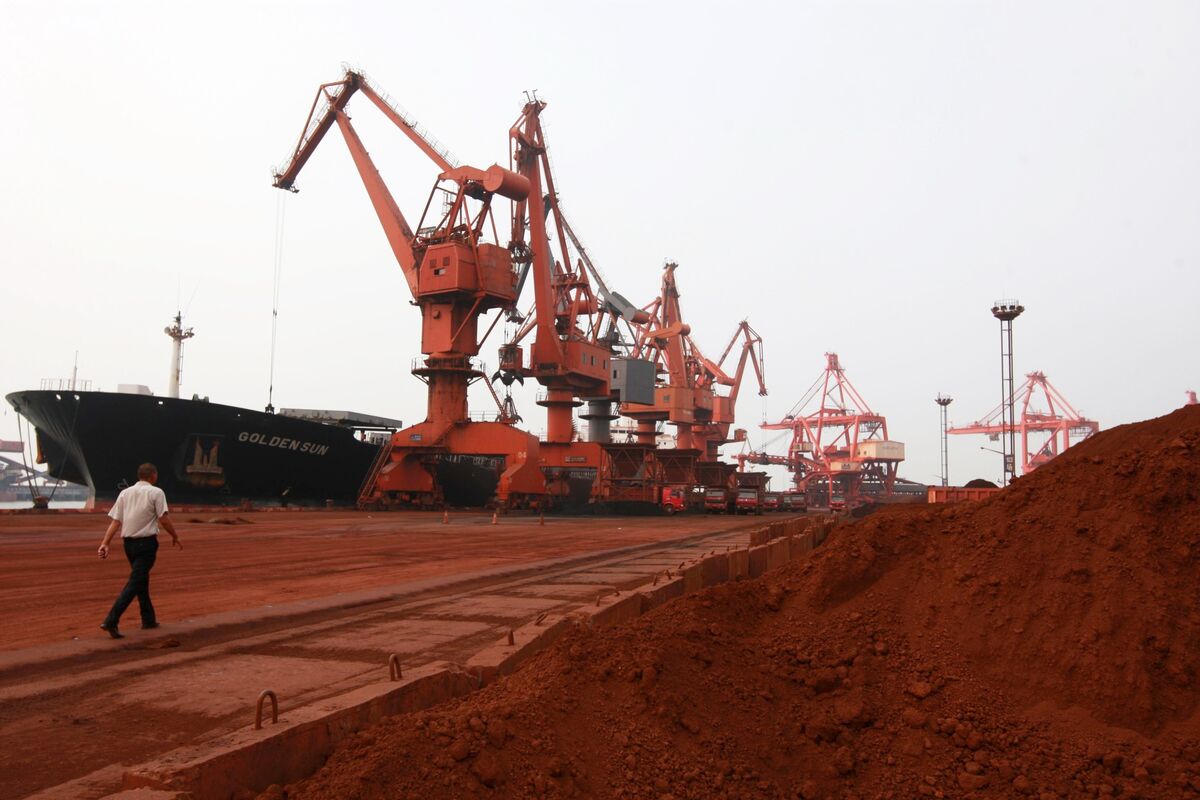
China has suspended its export controls on rare earths and other critical materials until November 2026, effective Friday, as part of a trade truce with the US. This policy reversal, which temporarily eases restrictions on products containing even traces of these materials, signals a de-escalation in trade tensions and provides greater clarity for global supply chains reliant on these strategic resources.
China has formally suspended its export controls on rare earths and other critical materials until November 2026, effective immediately. This policy reversal, announced jointly by the Ministry of Commerce and customs agency, is a direct outcome of a trade truce with the US and specifically includes products containing even trace amounts of these strategic resources.
The suspension, running through November 10, 2026, significantly de-escalates trade tensions and provides crucial clarity for global supply chains. This move mitigates immediate supply risks that had emerged from the earlier October controls, fostering a more predictable operating environment for industries reliant on these strategic commodities.
The associated data signals a strongly positive sentiment (0.7) and market impact (0.7), reflecting investor relief over reduced supply chain uncertainty and improved trade relations. This temporary easing of restrictions is a key development in the "Trade Policy & Supply Chain" and "Commodities & Raw Materials" themes.
AI-powered research, real-time alerts, and portfolio analytics for institutional investors.
Request DemoOverall Sentiment
strongly positive
Sentiment Score
0.70
