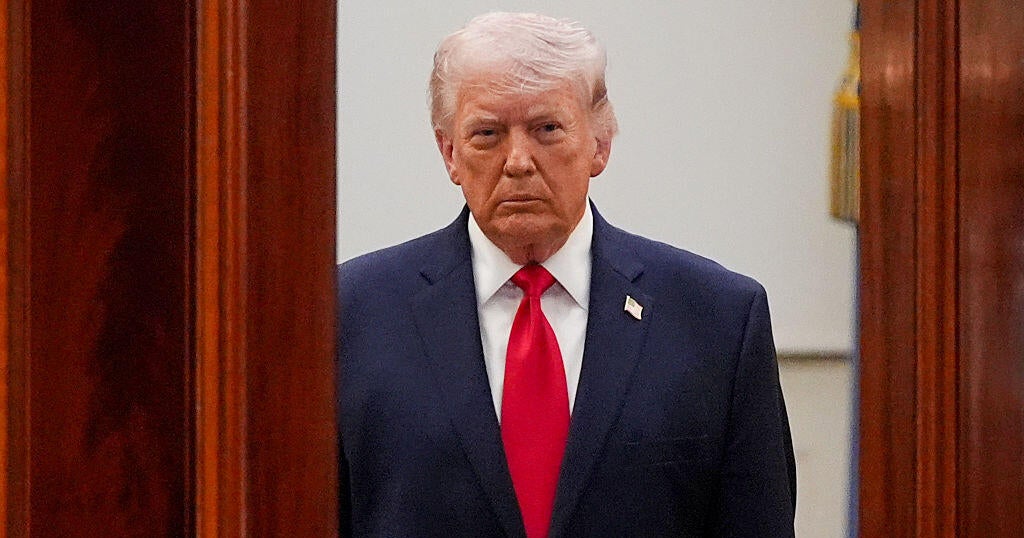
President Trump issued a 48-hour ultimatum for Iran to reopen the Strait of Hormuz or face strikes, escalating a conflict that began with U.S.-Israel strikes on Feb. 28. The war has killed thousands, injured 365 American service members, disrupted key shipping routes and spiked fuel prices; recent actions include an Iranian shoot-down of an F-15 and reports of an A-10 crash. Mediators from Pakistan, Turkey and Egypt are pursuing talks, but the ultimatum and ongoing military exchanges materially raise the risk of broader regional escalation and sustained market volatility.
Immediate market mechanics will be driven by insurance and routing frictions rather than steady-state supply loss: a short-lived closure or credible threat typically drives tanker time-charter rates up 3-10x in the first 7–30 days as vessels reroute around Africa (adding ~10–15 days and ~$0.5–$2.0m per VLCC voyage in fuel and operating cost). Spot freight and bunker cost inflation transmits directly into refinery feedstock economics — complex refiners and coastal receiving terminals face margin compression earlier than upstream producers.
Energy-price persistence depends on three levers and their response times: (1) tactical production shut-ins in the Gulf (days–weeks), (2) SPR or coordinated releases (weeks–months, politically constrained), and (3) shale response (3–9 months). That creates asymmetric payoffs: a multi-week disruption produces sharp price spikes that can be mean-reverting within 1–3 months if diplomatic channels and SPR interventions activate, but sustained closure for >8–12 weeks materially re-prices capex and flows for years.
Defense and component suppliers are the canonical beneficiaries, but the less-obvious winners are specialty insurers, satellite imagery/INTEL providers, and missile guidance sub-suppliers with limited vendor lists — these firms can see 6–18 month order-book expansions and margin upticks. Conversely, global logistics integrators and short-cycle discretionary sectors will bleed margins quickly as shipping schedules and fuel surcharges spike.
Consensus positioning likely overprices endless escalation and underestimates snap-back risk from successful mediation; volatility will remain high and mean-revert in two scenarios (rapid deal or limited military objective achieved). Tail risk remains real: a wider regional exchange would flip convexity — oil >$100/bbl and protracted insurance dislocation — so size positions with binary hedges rather than naked directional exposure.
AI-powered research, real-time alerts, and portfolio analytics for institutional investors.
Request DemoOverall Sentiment
strongly negative
Sentiment Score
-0.70
