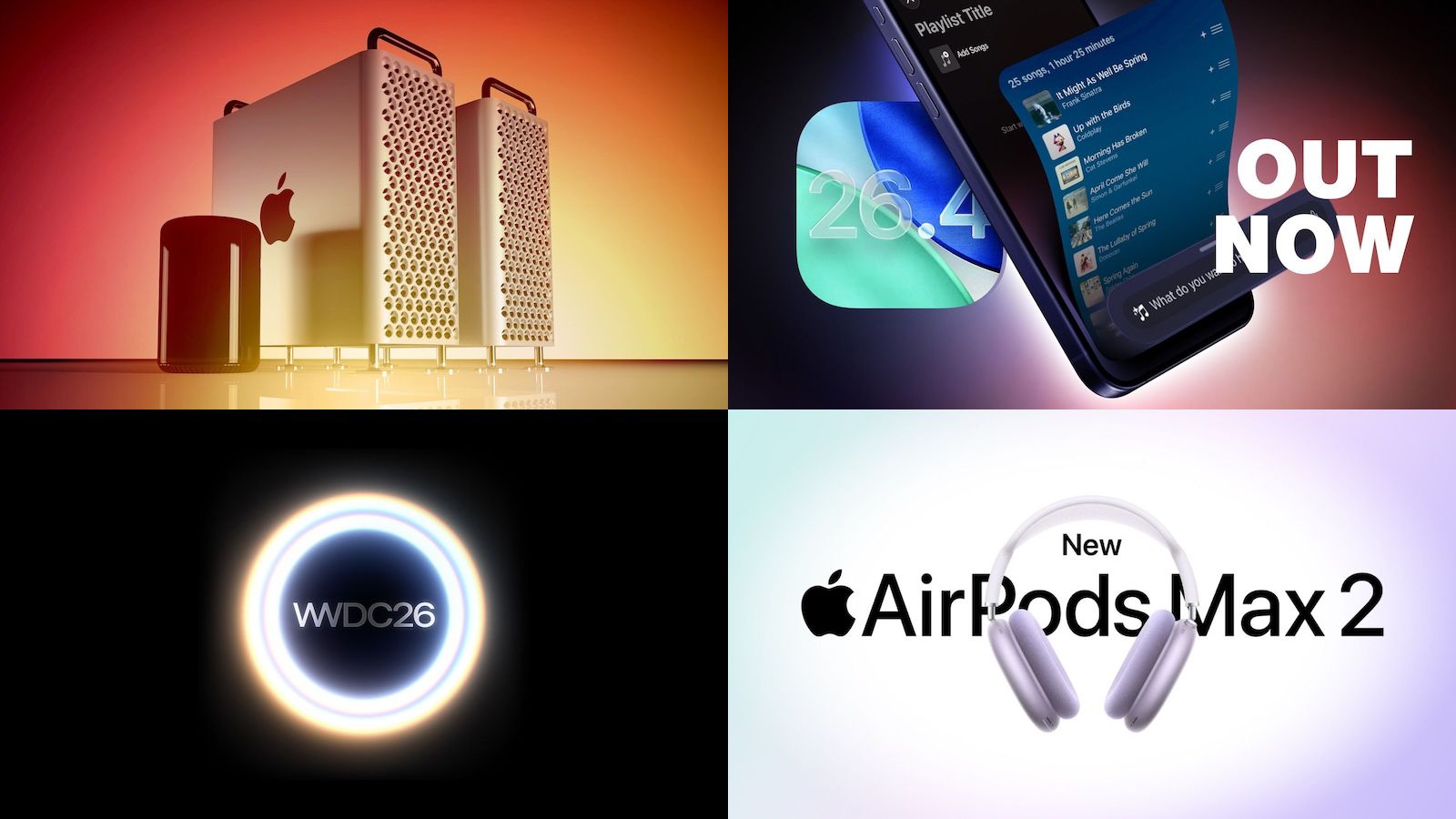
Key event: Apple set WWDC for June 8–12 and began AirPods Max 2 pre-orders at $549 with initial U.S. deliveries listed Apr 1–3. Other notable items: iOS/iPadOS/tvOS/macOS 26.4 releases, the Mac Pro was officially discontinued, and Apple Business will roll out Apr 14 with Apple Maps ads coming this summer. Implication: near-term stock impact is likely modest (~1–3%), but the AI focus at WWDC and new services/ads initiatives represent a longer-term upside to services revenue and monetization.
Apple’s product cadence is being managed as a coordinated software-first lever rather than a steady hardware drip. That concentrates upside into a narrow set of releases and magnifies volatility: if developer adoption of the forthcoming AI features is strong, you get a multi-quarter uplift in device replacement cycles and Services monetization; if not, hardware units and accessory ASPs compress and channel inventory turns slow. Supply chain winners will be flexible, high-mix PCB and RF suppliers that can ramp short-cycle accessory SKUs faster than long-leadcompute modules, increasing relative margin capture in peripherals versus base systems.
The company’s move to consolidate business-facing tools and open a new ads surface is a structural increment to high-margin revenue streams. Even modest adoption (low-single-digit percentage of enterprise device fleets or local-map ad budgets) translates to incremental operating profit because of near-zero incremental cost of sales; expect this to meaningfully lift Services operating margins over 12–24 months if uptake follows typical enterprise pilot→rollout dynamics. Conversely, gating hardware launches on feature parity for AI personal assistants concentrates execution risk: a missed expectation at the developer showcase will likely compress forward multiple more than a comparable hardware-only delay.
Second-order competitive impacts: the continued vertical integration reduces addressable share for traditional PC silicon and component incumbents over a multi-year window, while increasing opportunity for retail and cloud partners that can monetize distribution and discovery (e.g., promotional bundles and ads). Short-term retail discounting on accessories signals a willingness to defend sell-through — useful to know for timing promotional arbitrage but dangerous for margin if prolonged. Key catalysts to watch: developer adoption metrics post-showcase, enterprise pilot announcements for the consolidated business product, and accessory sell-through rates over the next two fiscal quarters.
AI-powered research, real-time alerts, and portfolio analytics for institutional investors.
Request DemoOverall Sentiment
mildly positive
Sentiment Score
0.15
Ticker Sentiment
