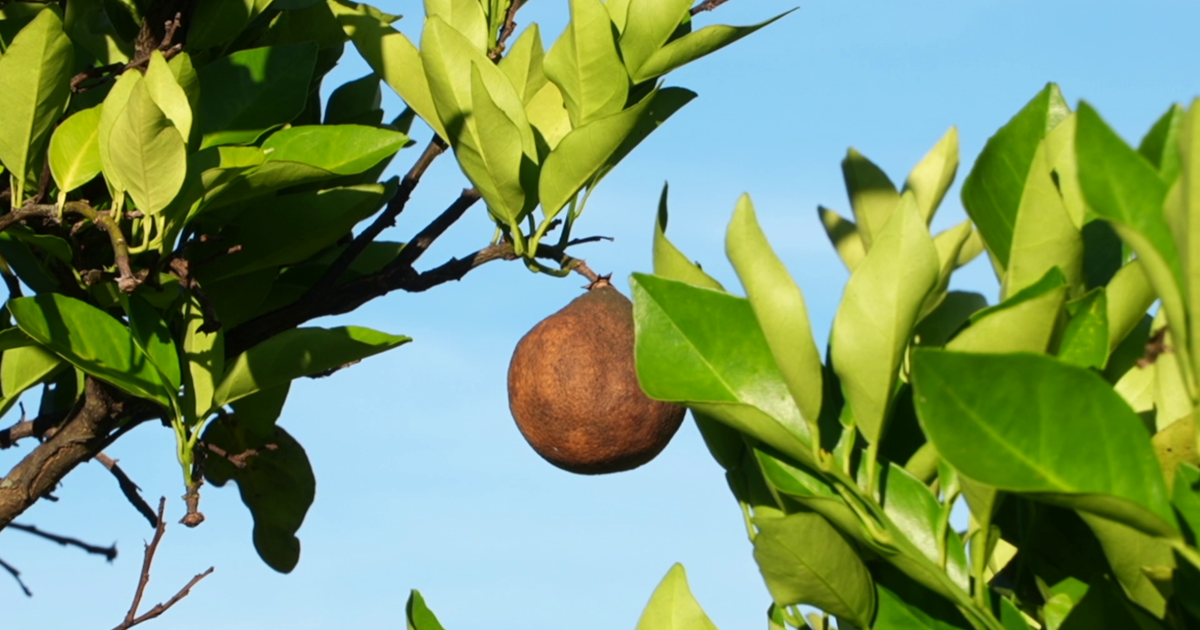
A new American Farm Bureau survey finds 70% of U.S. farmers cannot afford all the fertilizer they need, with fertilizer prices reportedly up 30% and changing weekly. The article says the war in Iran is lifting diesel and fertilizer costs, forcing farmers like V.C. Hollingsworth to cut production. Higher input costs are expected to raise food prices, while Florida citrus output has already shrunk 90% over the past 20 years.
The immediate second-order effect is not just higher farm input inflation, but a forced capital-allocation reset across the entire ag supply chain. When growers ration fertilizer, the first hit is yield and quality; the second hit is downstream utilization for processors, exporters, rail, and cold storage operators that are built around a higher-throughput crop baseline. That creates a lagged earnings risk over the next 2-3 quarters, especially for businesses with fixed-cost leverage and limited pricing power.
The more interesting read-through is that the inflation impulse is likely to persist even if commodity prices soften, because energy and fertilizer costs are sticky in the field and farmers hedge imperfectly. That means grocery inflation can remain elevated even after headline energy cools, which keeps pressure on consumer-facing food brands with weak gross margin buffers. The market often underestimates this “input-cost ratchet”: once acreage decisions are made under tight fertilizer budgets, recovery in supply is slow and requires at least one planting cycle, not weeks.
A key contrarian point is that broad food inflation is not automatically bullish for all agribusinesses. Fertilizer under-application can reduce near-term volumes for suppliers, and if crop yields disappoint, it can also impair farmers’ ability to buy seed, equipment, and crop protection next season. The best positioning is therefore not a blanket long on ag inputs, but a relative-value trade favoring companies with pricing power and recurring replacement demand over those dependent on farmer discretionary spend.
The tail risk is policy response: if food inflation becomes politically salient, fertilizer subsidies, export controls, or emergency energy relief could partially reverse the margin squeeze within months. Conversely, if geopolitical risk keeps diesel and natural gas elevated into planting season, the earnings impact compounds through acreage, yields, and working capital stress. That makes this a cleaner 6-12 month thematic than a quick-trade catalyst.
AI-powered research, real-time alerts, and portfolio analytics for institutional investors.
Request DemoOverall Sentiment
moderately negative
Sentiment Score
-0.45
