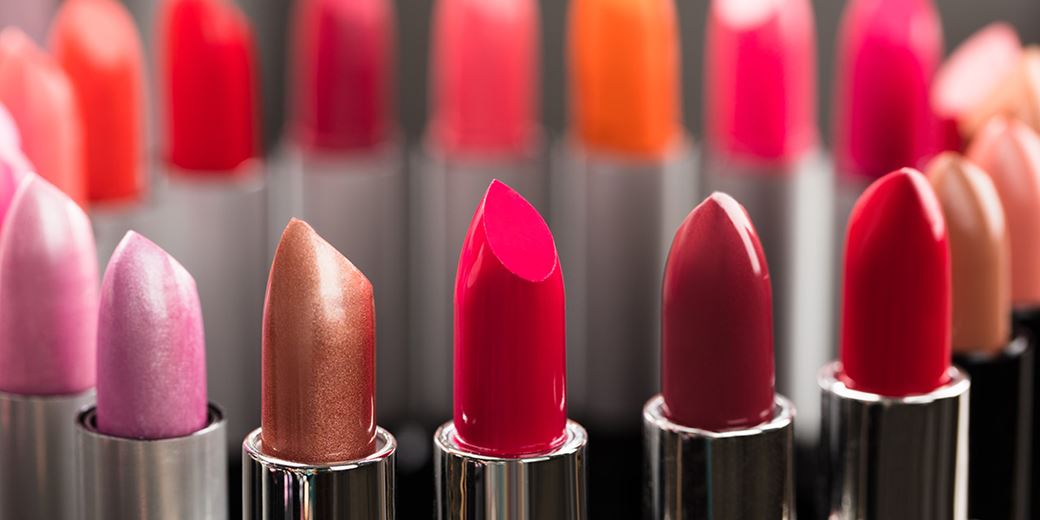
The 'Lipstick Index,' an economic indicator coined by Estée Lauder chairman Leonard Lauder, suggests that lipstick sales tend to rise during financial downturns as consumers shift spending towards small, affordable luxuries. This trend, observed during the early 2000s recession, offers an unconventional lens into consumer behavior during economic stress. The index's historical relevance is particularly pertinent amid current market discussions surrounding recession indicators, with some observers noting that the ongoing debate itself may signal broader economic uncertainty.
The article revisits the 'Lipstick Index,' an unconventional economic theory positing that lipstick sales serve as a contra-indicator for economic health. Coined by Estée Lauder (EL) chairman Leonard Lauder, the index is based on the observation that during downturns, such as the early 2000s recession, consumers substitute large-ticket discretionary spending with small, affordable luxuries. This shift in consumer behavior provides a granular view into household sentiment and spending priorities under financial stress. The renewed interest in this and other non-traditional indicators, as mentioned in the article, reflects a broader market uncertainty and an ongoing debate about the nature and timing of a potential recession. The neutral sentiment score underscores that this is a theoretical discussion rather than a direct comment on current sales performance, but it highlights a specific consumer segment—affordable indulgences—that can demonstrate resilience during economic contractions.
AI-powered research, real-time alerts, and portfolio analytics for institutional investors.
Request DemoOverall Sentiment
neutral
Sentiment Score
0.00
Ticker Sentiment
