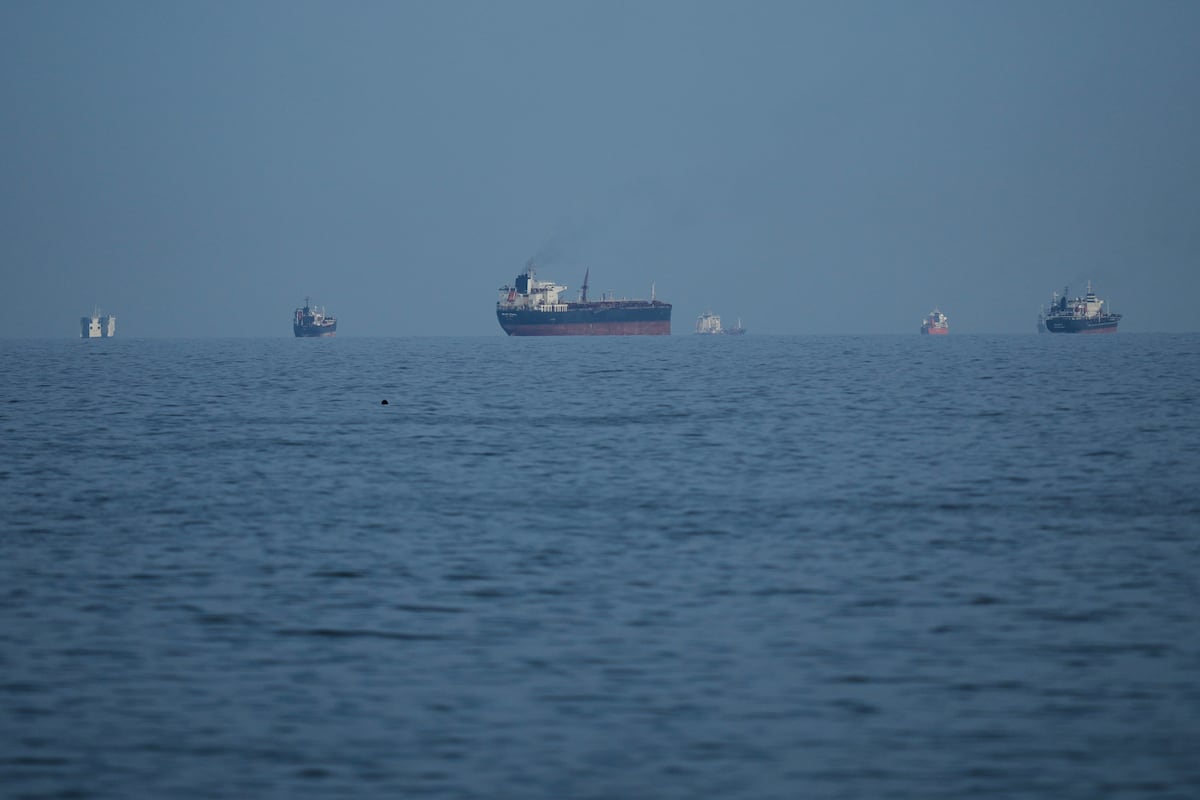
38% of the world’s traded crude oil transits the Strait of Hormuz; there were 17 confirmed incidents between March 1–16 and at least 11 seafarers dead or unaccounted, signaling acute near‑term risk to energy flows and shipping. U.S. President Trump urged NATO to "open" the strait calling it a "simple military maneuver," but analysts warn Iranian missiles, drones and an estimated 5,000–6,000 naval mines plus limited U.S. mine‑countermeasure and escort capacity make reopening operationally demanding—implying heightened volatility for oil prices and strained supply chains.
The immediate operational problem is not lack of will but capability mismatches: clearing mines, suppressing shore-based missiles, and defending against low-cost drone swarms are three concurrent missions that force trade-offs in force posture, ammunition consumption, and escort capacity. That means any Western naval commitment will be resource‑intensive and attritional, favoring suppliers of mine‑countermeasure (MCM) kit, unmanned systems, electronic warfare and point‑defense munitions over conventional blue‑water platforms.
Second‑order commercial effects will show up quickly in freight economics and insurance: even a temporary escalation will reroute some tanker traffic around Africa, adding calendar days and charter costs that compress refining margins and raise delivered fuel costs to Asia within weeks. Insurers and brokers will see premium normalization lag actual risk, creating a multi‑quarter window where higher P&L for brokers and reinsurance repricing benefits public players.
Strategically, operations in the Strait will accelerate doctrinal changes with direct implications for Indo‑Pacific posture — tactics and hardware tested there become de facto playbooks for China’s learning curve, pressuring the U.S. to choose between draining munitions and accepting localized vulnerability. That creates a medium‑term (6–24 month) regime where defense procurement winners and specialist maritime services capture outsized cashflows regardless of whether a kinetic campaign is sustained or limited.
AI-powered research, real-time alerts, and portfolio analytics for institutional investors.
Overall Sentiment
mildly negative
Sentiment Score
-0.30
