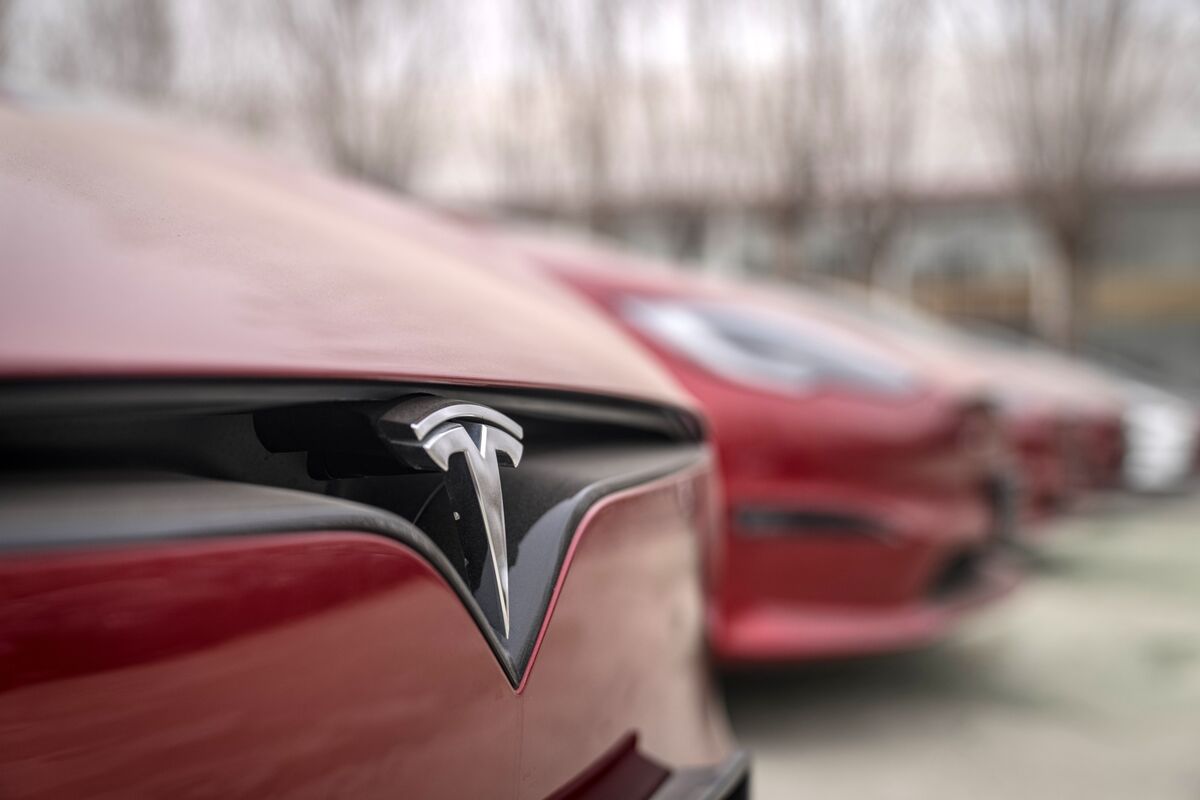
Tesla’s China VP Grace Tao posted on Weibo that supplier country of origin is not an exclusionary criterion and that Tesla applies the same standards for supplier selection across its US, China and Europe production bases, responding to reports it was moving away from some China-based suppliers. The statement aims to reassure markets about continuity of Tesla’s China partnerships and reduce concerns about near-term supply-chain disruption or a China-sourcing decoupling risk.
Market structure: Tesla’s public push that country-of-origin won’t be an exclusionary filter reduces immediate downside for China-based tier-1 suppliers and stabilizes TSLA’s procurement reputation; direct winners are large battery/materials suppliers (benefit = sustained order flow) and logistics providers in APAC/EU, losers are smaller single-source suppliers and any OEMs forced into costly re-shoring. Competitive dynamics favor Tesla’s scale — expect 100–300 bps incremental bargaining power on component pricing vs. smaller OEMs over 12–24 months, keeping its relative gross-margin runway intact. Cross-asset: modest upward pressure on battery-metal prices (Li, Ni), slight increase in TSLA options IV near policy headlines, and limited FX/CNY pressure unless formal trade restrictions arrive.
Risk assessment: Tail risks include an abrupt US-China export control (low probability, high impact) that could cut Chinese supply access or force expensive re-validation — this could create a 3–6 month production shock and ~50–150 bps gross-margin hit. Immediate (days): sentiment volatility and IV spikes; short-term (weeks–months): supplier re-contracting and price renegotiations; long-term (quarters–years): capex to regionalize supply chains raising COGS by an estimated 2–5% if pursued at scale. Hidden dependencies: certification/qualification lead times of 3–9 months and single-supplier quality risk; catalysts are US/China policy announcements (30–90 days), Tesla/supplier earnings and procurement contract filings.
Trade implications: Direct: establish a 2–3% long TSLA position (target +25% in 12 months, stop -20%) funded by a 1% short position in GM or F to express EV share consolidation. Pair: long LIT ETF (1–2%) vs. short legacy auto supplier ETF or F (1%) to play sustained battery-material tightness. Options: buy a 3-month TSLA 10–15% wide call vertical costing <=3% of notional to capture positive sentiment with defined risk; alternatively sell a small cadence of 30–45 day OTM puts only if IV >30% and delta <0.25. Enter within 1–4 weeks; exit or re-rate 2 weeks after policy/supplier contract disclosures.
Contrarian angles: The market may underappreciate that deep China ties are a competitive moat — moving supply out of China often raises costs 3–7% and introduces quality risk, so headlines about de-risking are likely underdone in terms of near-term margin pain. Historical parallel: Apple’s long China concentration showed resilience despite geopolitical noise; similarly, a decisive supply-shift would take 12–36 months and likely compress margins before improving strategic independence. Watch for an actual supplier contract change >5% of procurement volume as the true actionable trigger to materially alter positioning.
AI-powered research, real-time alerts, and portfolio analytics for institutional investors.
Request DemoOverall Sentiment
neutral
Sentiment Score
0.10
Ticker Sentiment
