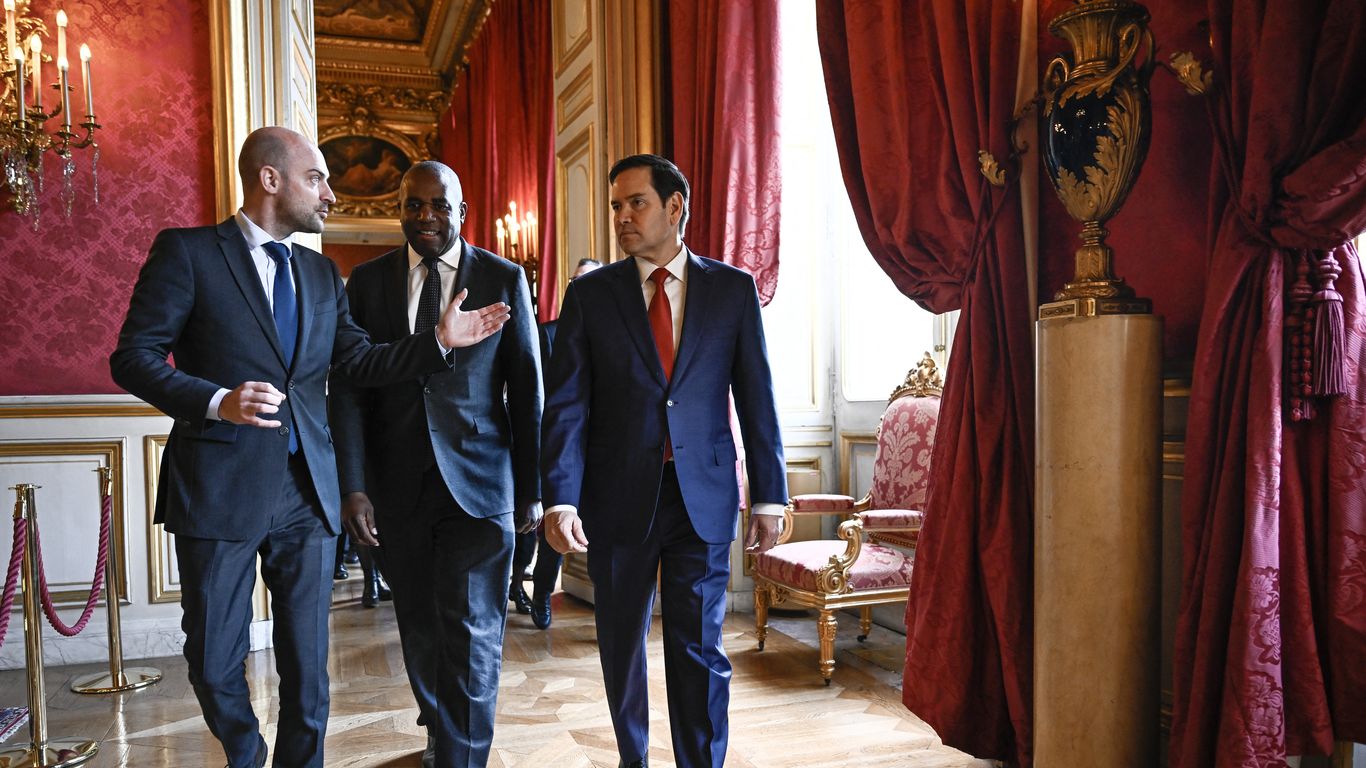
The U.S. and European foreign ministers (France, Germany, U.K.) have reportedly agreed to set an end-of-August deadline for a nuclear deal with Iran, with plans to trigger the "snapback" mechanism to reimpose all UN sanctions should talks fail. This coordinated pressure, supported by the U.S. as a negotiating tool, is driven by the snapback provision's October expiration and the need to activate it before Russia assumes the UN Security Council presidency. European officials intend to engage Tehran, offering a path to avoid sanctions by addressing nuclear program concerns, while Iran threatens Non-Proliferation Treaty withdrawal, signaling heightened geopolitical tension and potential for renewed sanctions impacting the region.
A coordinated diplomatic maneuver by the U.S., France, Germany, and the U.K. has established a firm end-of-August deadline for reaching a nuclear agreement with Iran, significantly escalating geopolitical tensions. The primary leverage is the threat to trigger the "snapback" mechanism, which would reimpose a comprehensive suite of UN sanctions lifted under the 2015 deal. This strategy is time-sensitive, as the coalition aims to activate the 30-day process before the snapback provision expires in October and prior to Russia assuming the UN Security Council presidency. Supported by both the U.S. and Israel as a tool to force direct negotiations, the ultimatum demands significant concessions from Tehran, such as the removal of its 400kg of 60%-enriched uranium. Iran's counter-threat to withdraw from the nuclear Non-Proliferation Treaty introduces a high-stakes variable, creating a binary outcome for energy and global risk markets. A diplomatic failure would not only trigger severe economic sanctions but also risk a more volatile and unmonitored nuclear crisis in a region the article notes is recovering from a recent war.
AI-powered research, real-time alerts, and portfolio analytics for institutional investors.
Request DemoOverall Sentiment
moderately negative
Sentiment Score
-0.40
