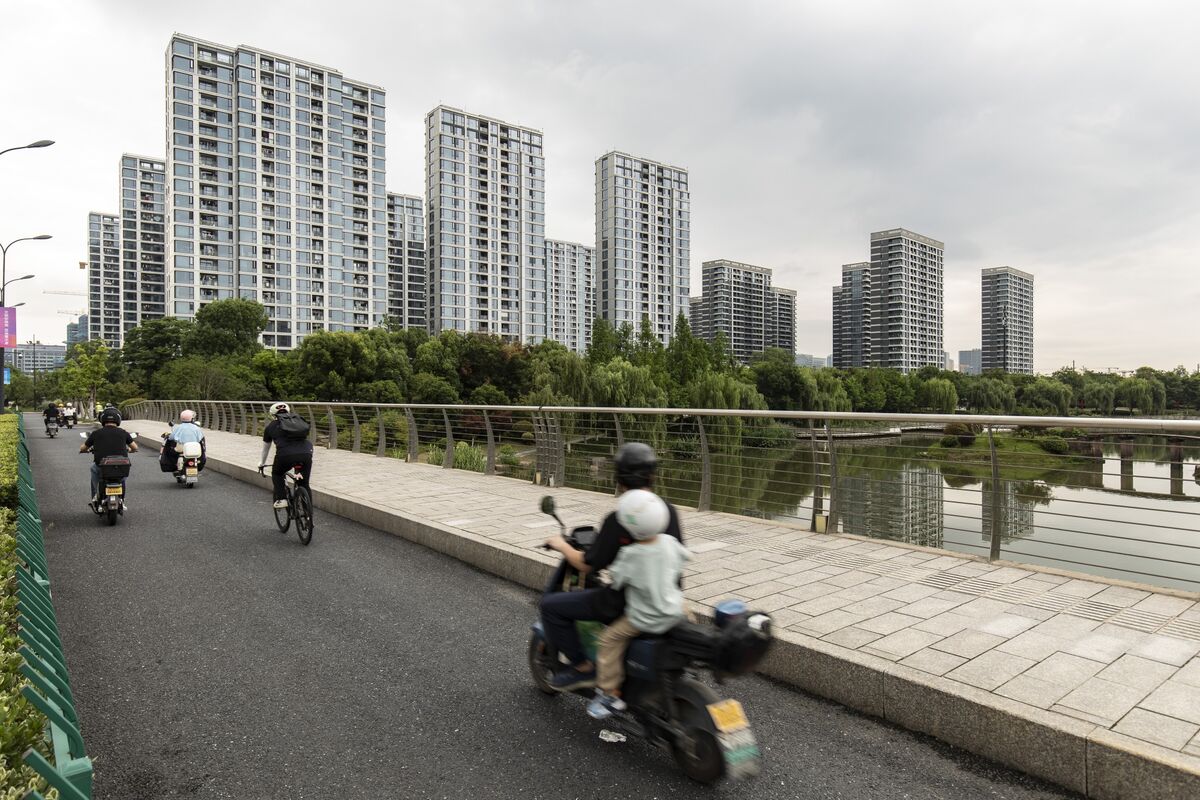
China's new-home prices in 70 cities fell 0.22% in May, accelerating from a 0.12% decline in April, marking the steepest drop in seven months; used home values also saw a sharp 0.5% decrease. The data underscores the ongoing weakness in the Chinese property market, prompting renewed pledges of support from government officials.
China's residential property market demonstrated an accelerated contraction in May, with new-home prices in 70 cities, excluding state-subsidized housing, declining by 0.22% from April, a more significant drop than the 0.12% slide observed in the previous month and marking the most substantial decrease in seven months. Concurrently, the used homes segment experienced a more pronounced downturn, with values falling by 0.5%, the sharpest decline recorded in eight months. These figures from the National Bureau of Statistics underscore the persistent and deepening weakness within the Chinese property sector, prompting renewed pledges from senior government officials to implement measures aimed at reviving market stability and activity. The data signals a challenging environment that officials are actively seeking to address.
AI-powered research, real-time alerts, and portfolio analytics for institutional investors.
Request DemoOverall Sentiment
strongly negative
Sentiment Score
-0.70
