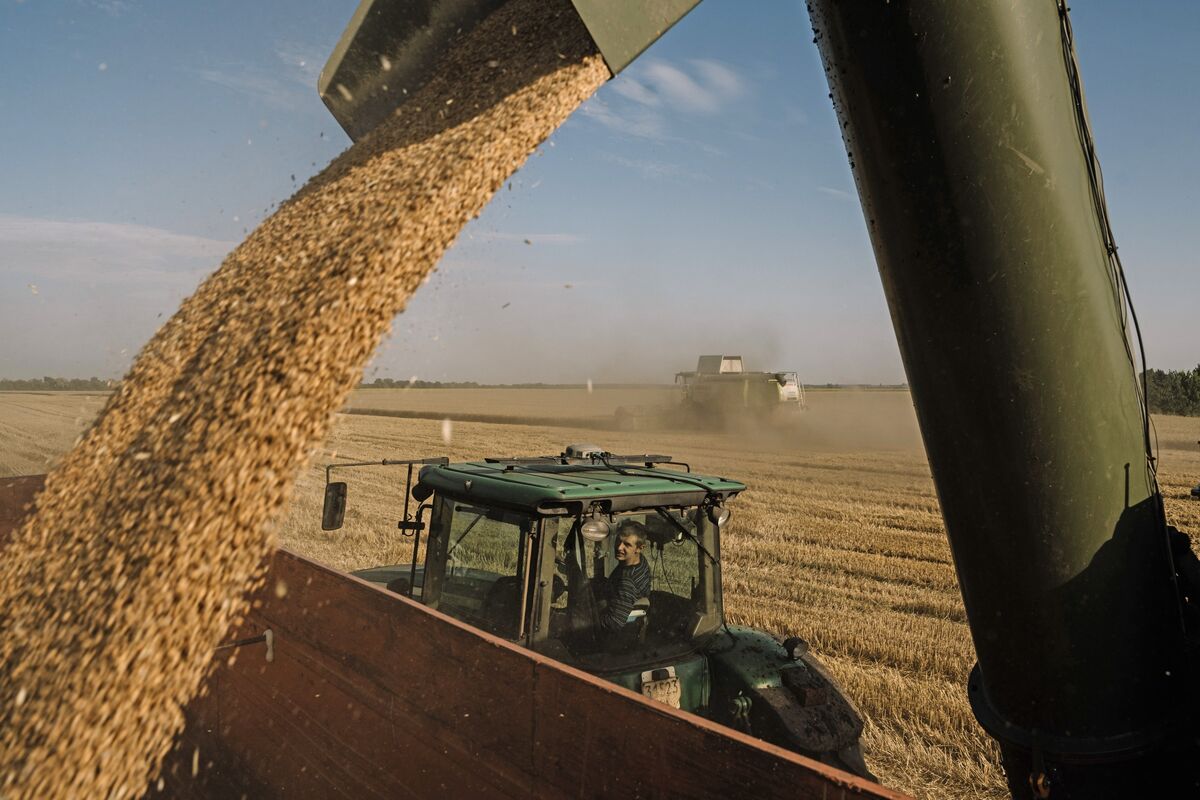
The European Union has finalized a new trade arrangement with Ukraine, replacing the post-invasion tariff-free regime. This updated agreement aims to balance continued support for Ukrainian trade with addressing sensitivities within specific EU agricultural sectors, a direct response to concerns raised by member states and farmers. The move signals a strategic adjustment in EU trade policy, prioritizing domestic economic considerations alongside geopolitical support.
The European Union has recalibrated its trade policy with Ukraine, replacing the emergency tariff-free regime established after the 2022 invasion with a more structured arrangement. This new agreement represents a significant policy adjustment, moving from unconditional market access to a managed approach that explicitly acknowledges and addresses the sensitivities of specific EU agricultural sectors. The shift is a direct result of advocacy from member states and farming lobbies concerned about the competitive impact of Ukrainian imports. This development indicates that while geopolitical support for Kyiv remains a priority, domestic economic and political considerations are increasingly influencing the terms of that support, signaling a potential long-term framework where tariffs or quotas may be applied to protect vulnerable European producers.
AI-powered research, real-time alerts, and portfolio analytics for institutional investors.
Request DemoOverall Sentiment
mixed
Sentiment Score
0.00
