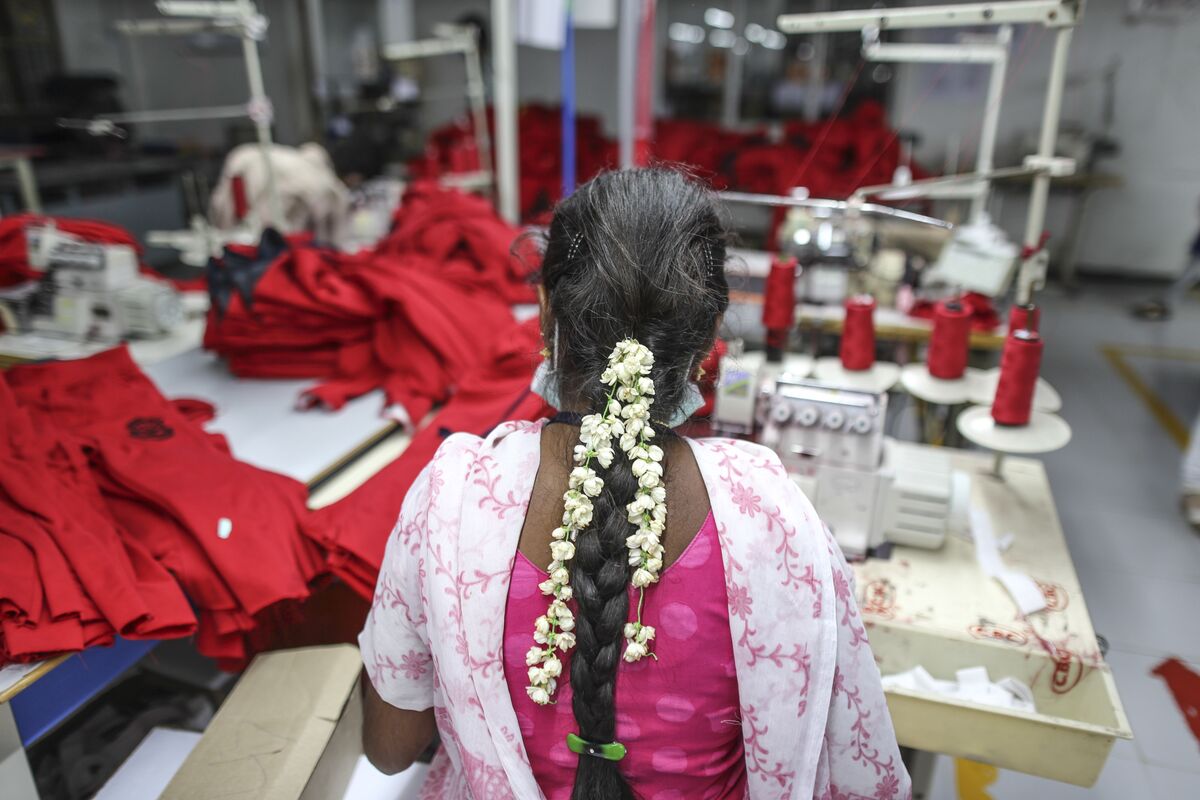
US President Donald Trump's abrupt decision to impose a 50% levy on Indian imports, effectively doubling tariffs, is significantly disrupting Indian exporters. This measure threatens to make India-made apparel and generic drugs prohibitively expensive, potentially halting exports for smaller businesses and forcing Indian exporters to urgently re-evaluate their strategies and seek alternatives.
A sudden 50% levy imposed by the US on Indian imports represents a significant escalation in trade friction, creating a severe headwind for Indian export-oriented industries. The article highlights that this shock measure, which doubles existing tariffs, is perceived by exporters as being 'worse than Covid,' indicating a profound and immediate threat to business continuity. The policy specifically targets key sectors such as apparel and generic drugs, threatening to render these products prohibitively expensive in the US market. This could lead to a substantial disruption in export volumes, potentially bringing operations to a 'grinding halt' for smaller businesses that are heavily dependent on American demand. Consequently, Indian firms are being forced to immediately re-evaluate their entire business strategies to mitigate the impact of this levy. The strongly negative sentiment score of -0.85 and high market impact score of 0.75 underscore the market's view of this as a major destabilizing event for the affected supply chains and the broader India-US trade relationship.
AI-powered research, real-time alerts, and portfolio analytics for institutional investors.
Request DemoOverall Sentiment
strongly negative
Sentiment Score
-0.85
